March Fertilization for Raspberries: The Key to a Bountiful Harvest.

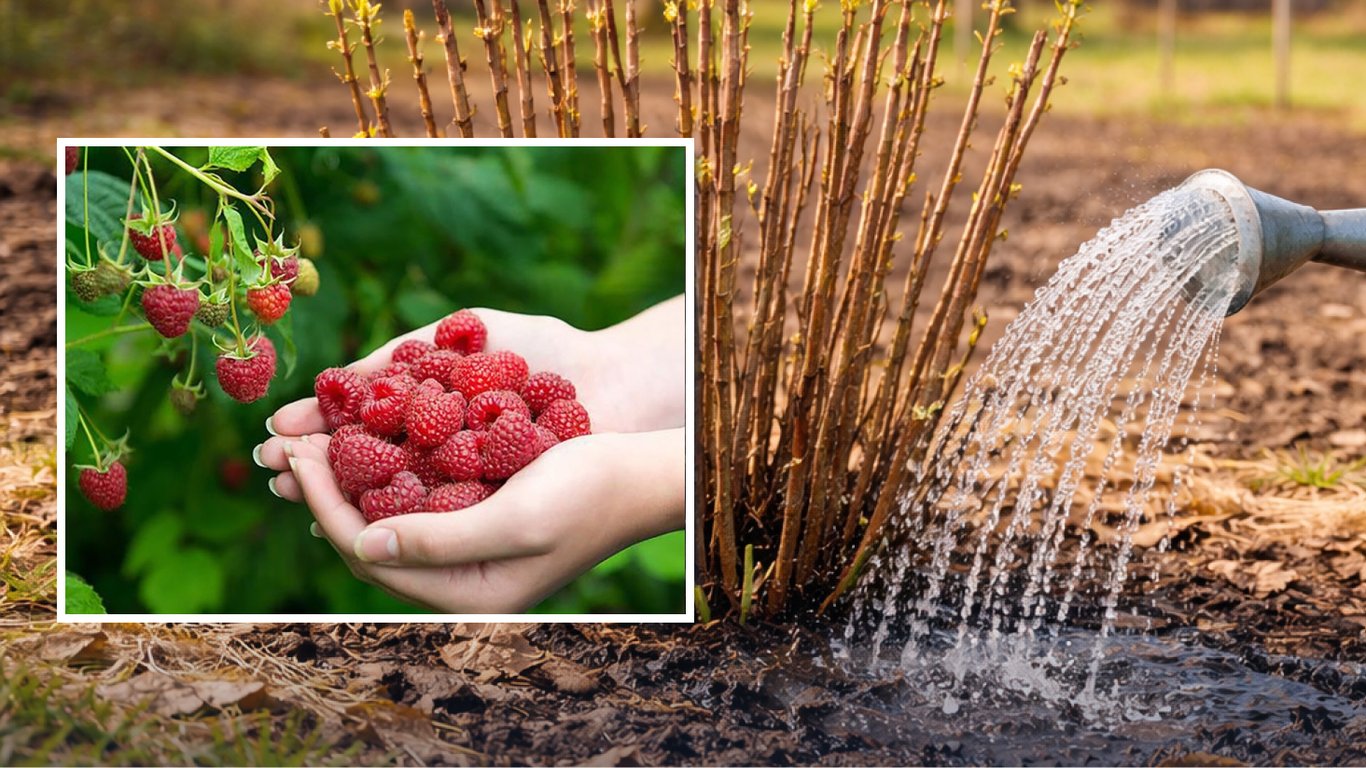
Feeding Raspberries in March
According to Novyny.live: March is a critical month for feeding raspberry plants to secure a strong harvest later in the year. The first application of fertilizer should be made before the buds begin to swell actively. For this initial feeding, ammonium nitrate or urea (carbamide) are recommended, applied at a rate of 20-30 grams per square meter of the raspberry patch.
Ideal Conditions and the Second Feeding
The best conditions for fertilizing are when air temperatures range from +5 to +12°C, the soil is thawed and moist, and there is an absence of strong winds or night frosts. A second feeding is carried out in early April when young shoots appear. At this stage, use mineral fertilizers containing nitrogen, phosphorus, and potassium. The application rate for these complex fertilizers can be up to 60 grams per square meter.
Beyond fertilization, other essential March tasks include:
- Pruning dry and damaged canes;
- Clearing away old leaves;
- Loosening the soil;
- Applying mulch.
These steps create optimal conditions for plant growth and development, directly influencing the future yield. Following these straightforward guidelines significantly increases your chances of a plentiful raspberry harvest. Proper spring care is a cornerstone of productive berry gardening, setting the stage for the entire growing season.
March nutrition is a vital step in ensuring high productivity for raspberry crops. Correct care during this period not only promotes healthy plant development but also impacts the quality and quantity of the future harvest. Adhering to fertilizer recommendations and basic cultivation practices allows gardeners to get the best results from their plantings. This is particularly important for home growers seeking to maximize their yield from limited garden space.
Read also
- A Simple Recipe for Tomato Fertilizer Made from Yeast and Banana Peels
- Custom Door Signs Over Stock Options: How Office and Residential Navigation Is Evolving
- Best Haircuts for Thick Hair: Styles That Enhance Your Natural Beauty
- Financial and Relationship Shifts Await in July 2026: Which Zodiac Signs Should Prepare
- Zucchini Plants Overrun with Male Flowers: How to Fertilize for a Bumper Harvest
- Aries Set to Be the Week's Biggest Winners: What Retrograde Neptune Has in Store