June 2026 Planting Guide: Vegetables, Herbs, and Flowers That Will Yield a Harvest.

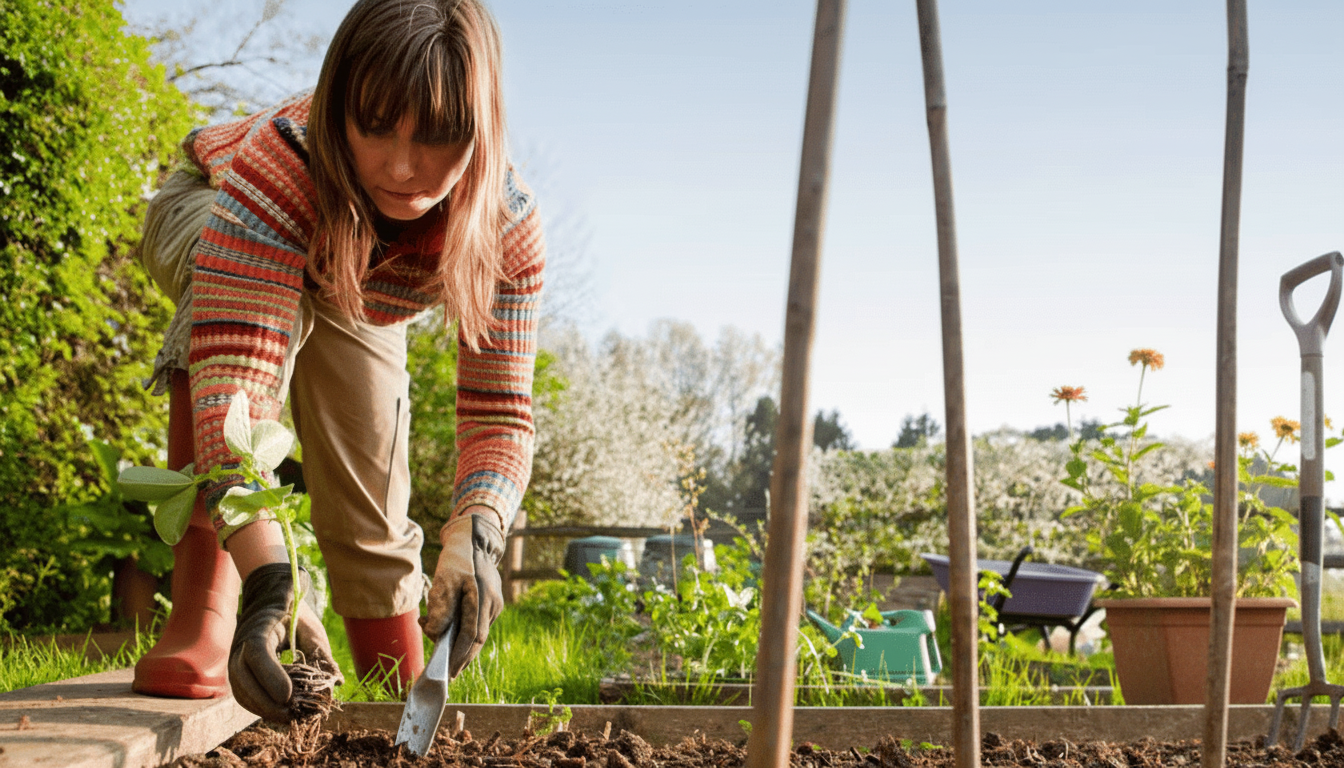
June Marks a Busy Sowing Season
According to Novyny.live: By June 2026, gardeners and farmers are in the thick of the planting season for a wide range of crops. This month offers an excellent window to sow various vegetables, aromatic herbs, and flowers—provided you follow key care guidelines.
What Are the Key Rules for Summer Sowing?
Many crops can go into the ground in June. Among the vegetables suitable for planting are:
- cucumbers
- cabbage
- carrots
- beets
- daikon
- zucchini
- pattypan squash
- pumpkins
- beans
- peas
- tomatoes
- corn
Cucumbers thrive when planted where early greens, spinach, or onions previously grew. White cabbage can be sown in June, while Chinese cabbage does best when planted toward the end of the month. Carrots and beets are excellent choices for winter storage, but daikon should be sown in the second half of June. Turnips are best planted closer to July, and corn can be sown throughout most of June.
Which herbs should you plant in June? This is an ideal time for onions, dill, parsley, lettuce, basil, arugula, and spinach. These herbs not only enhance the flavor of dishes but also offer significant health benefits.
What flowers should you plant in June? Consider marigolds, calendula, cosmos, snapdragons, daisies, Turkish carnations, bellflowers, and foxgloves. Adding these flowers to your garden not only beautifies the space but also attracts bees and other beneficial insects.
In short, June is a pivotal month for gardeners and farmers aiming for a bountiful harvest. By following these recommendations, you can successfully grow vegetables, herbs, and flowers alike.
This period is critical for agricultural success, as choosing the right crops and timing their planting can significantly impact yields. Gardeners should also consider plant compatibility to create optimal growing conditions. Proper care and adherence to sound agronomic practices lead to high-quality, healthy produce—an outcome that matters for food security and the broader economy.
Read also
- Blago Becomes Lead Partner of Lviv Fashion Week: What This Means for Ukrainian Designers
- From Johnson’s Memoir to the War of Tomorrow: 5 Must-Read Books Coming in 2026
- Forecaster Didenko Issues Weather Update for July 15: Where Rain Is Expected
- How to Choose a School Backpack: Key Factors for Your Child's Health and Comfort
- A Simple Recipe for Tomato Fertilizer Made from Yeast and Banana Peels
- Custom Door Signs Over Stock Options: How Office and Residential Navigation Is Evolving