A Simple Brick Trick to Extend Your Room's Heat for Hours.

How a Simple Red Brick Can Keep You Warm for Hours
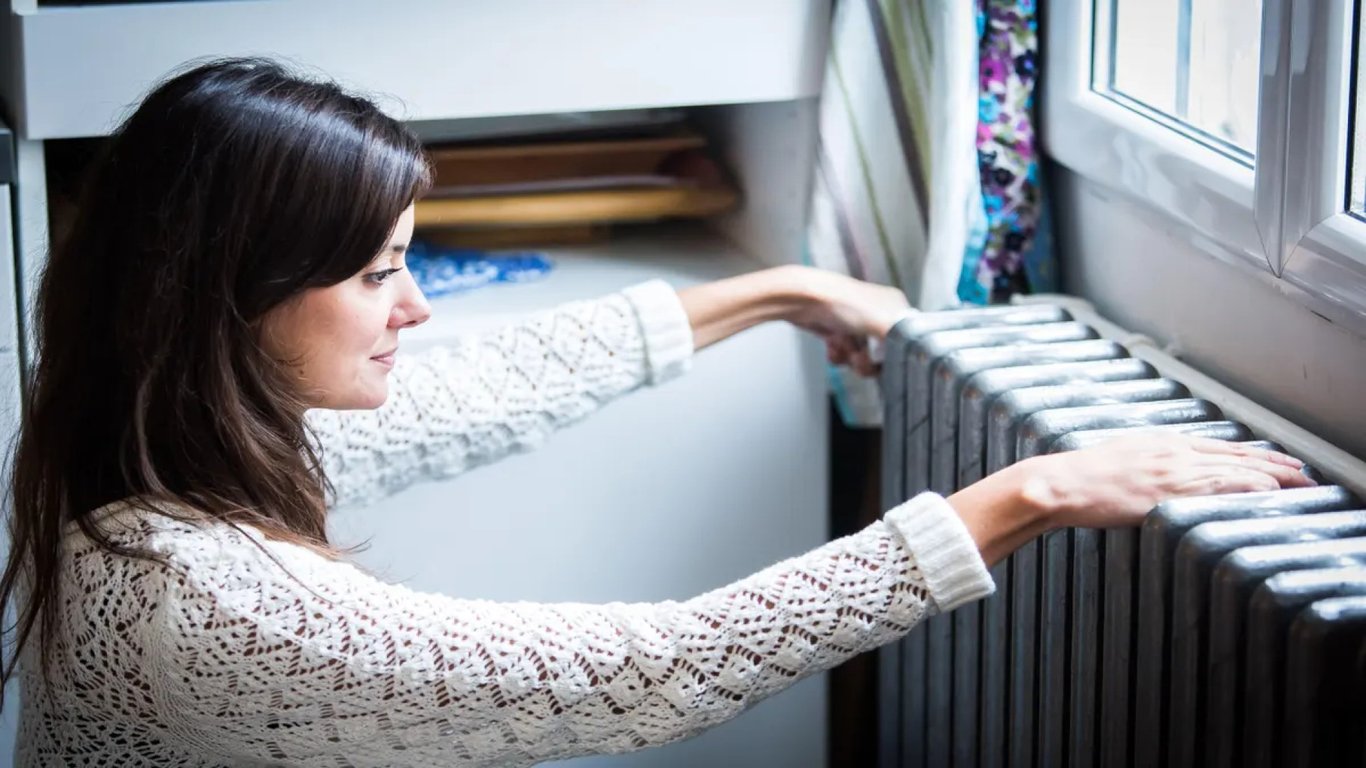
According to Novyny.live: During the cold season, maintaining warmth indoors becomes a priority, especially when the heating is off. A surprisingly simple solution involves using a common red brick. This material can absorb heat from a hot radiator and then release it back into the room over a period of 2 to 3 hours, significantly easing the chill. This low-tech method is a form of thermal mass heating, leveraging a material's ability to store and slowly release energy.
How to Use the Brick Effectively
To use this method correctly, just follow a couple of basic steps:
- Use a dry, clean brick.
- Place it on top of the radiator while the unit is still hot.
This allows the brick to soak up thermal energy, which it will later radiate into the surrounding space.
If you don't have a red brick, don't worry. Several common alternatives can serve the same purpose, including:
- pieces of granite,
- marble,
- dense ceramic,
- or other types of stone.
All these materials share similar thermal properties, enabling them to absorb and gradually emit heat.
Therefore, using a red brick or a suitable substitute is a straightforward and effective way to sustain warmth in a room after the heating stops. Applying these materials can help maintain comfortable conditions even on the coldest days.
This approach is particularly valuable for households that may face heating interruptions or high energy costs. Utilizing readily available materials for heat retention can significantly improve living conditions in winter, especially for those on a tight budget. Given the context of energy crises and rising utility prices globally, such practical solutions are gaining relevance for many seeking to reduce their heating bills.
Read also
- Blago Becomes Lead Partner of Lviv Fashion Week: What This Means for Ukrainian Designers
- From Johnson’s Memoir to the War of Tomorrow: 5 Must-Read Books Coming in 2026
- Forecaster Didenko Issues Weather Update for July 15: Where Rain Is Expected
- How to Choose a School Backpack: Key Factors for Your Child's Health and Comfort
- A Simple Recipe for Tomato Fertilizer Made from Yeast and Banana Peels
- Custom Door Signs Over Stock Options: How Office and Residential Navigation Is Evolving