Onions Wilting in the Garden? Key Causes and How to Save Your Harvest.

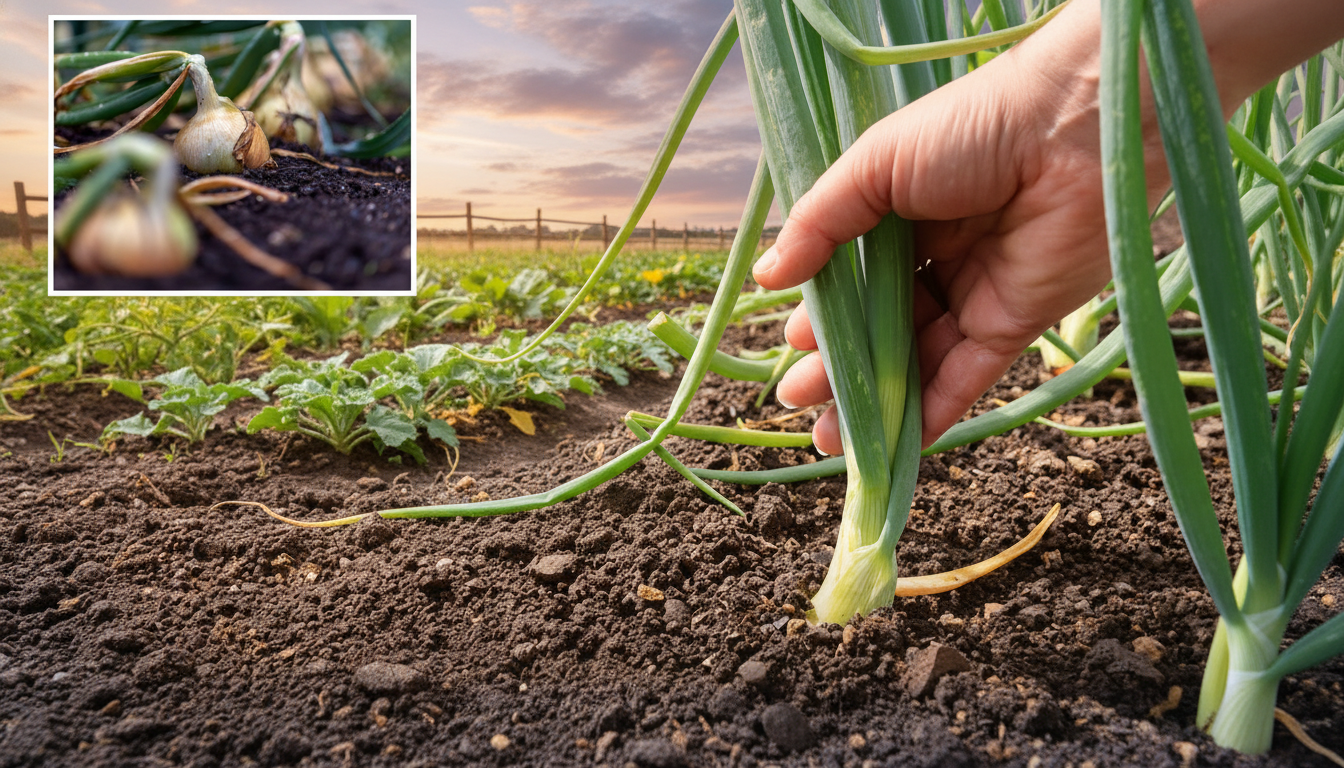
Why Onions Wilt and What You Can Do About It
According to Novyny.live: Although onions are among the least demanding vegetable crops, wilting can pose a serious challenge for gardeners. The main reasons include:
- improper watering;
- depleted or nutrient-poor soil;
- pest infestations;
- fungal diseases;
- extreme heat.
Identifying these factors early makes it possible to take timely action to preserve the harvest.
Pests and Diseases Affecting Onions
Among the pests that cause the most damage to onions, the onion fly stands out. This pest can significantly reduce both the quality and quantity of your crop, making preventive measures essential. In addition to pests, onions are vulnerable to several diseases, the most common being:
- downy mildew (peronospora);
- fusarium wilt;
- various types of rot.
If left unchecked, these diseases can lead to major harvest losses.
To ensure a high-quality yield, nutrients such as nitrogen, potassium, and phosphorus are vital. A deficiency in these elements often shows up as pale green or yellow leaves, slow growth of thin foliage, and drying or browning of leaf tips. Plants may also become stunted, signaling poor overall health.
To prevent soil overheating and maintain optimal growing conditions for onions, experts recommend:
- mulching garden beds;
- regularly loosening the soil;
- retaining moisture in the root zone;
- providing light shading.
These practices help keep plants healthy and support normal growth even during hot weather. A responsible approach to agronomic care can greatly improve the condition of onions in your garden and lead to a quality harvest.
Proper onion care has become especially important in the context of climate change, as weather extremes can create unexpected challenges for gardeners. Experienced agronomists advise not only following basic farming principles but also actively adopting new techniques that boost plant resilience under stress. This, in turn, helps increase yields and improve product quality—key factors for regional food security.
Read also
- Blago Becomes Lead Partner of Lviv Fashion Week: What This Means for Ukrainian Designers
- From Johnson’s Memoir to the War of Tomorrow: 5 Must-Read Books Coming in 2026
- Forecaster Didenko Issues Weather Update for July 15: Where Rain Is Expected
- How to Choose a School Backpack: Key Factors for Your Child's Health and Comfort
- A Simple Recipe for Tomato Fertilizer Made from Yeast and Banana Peels
- Custom Door Signs Over Stock Options: How Office and Residential Navigation Is Evolving