The Hidden Dangers of Garden Soil for Seedlings: Key Mistakes to Avoid.

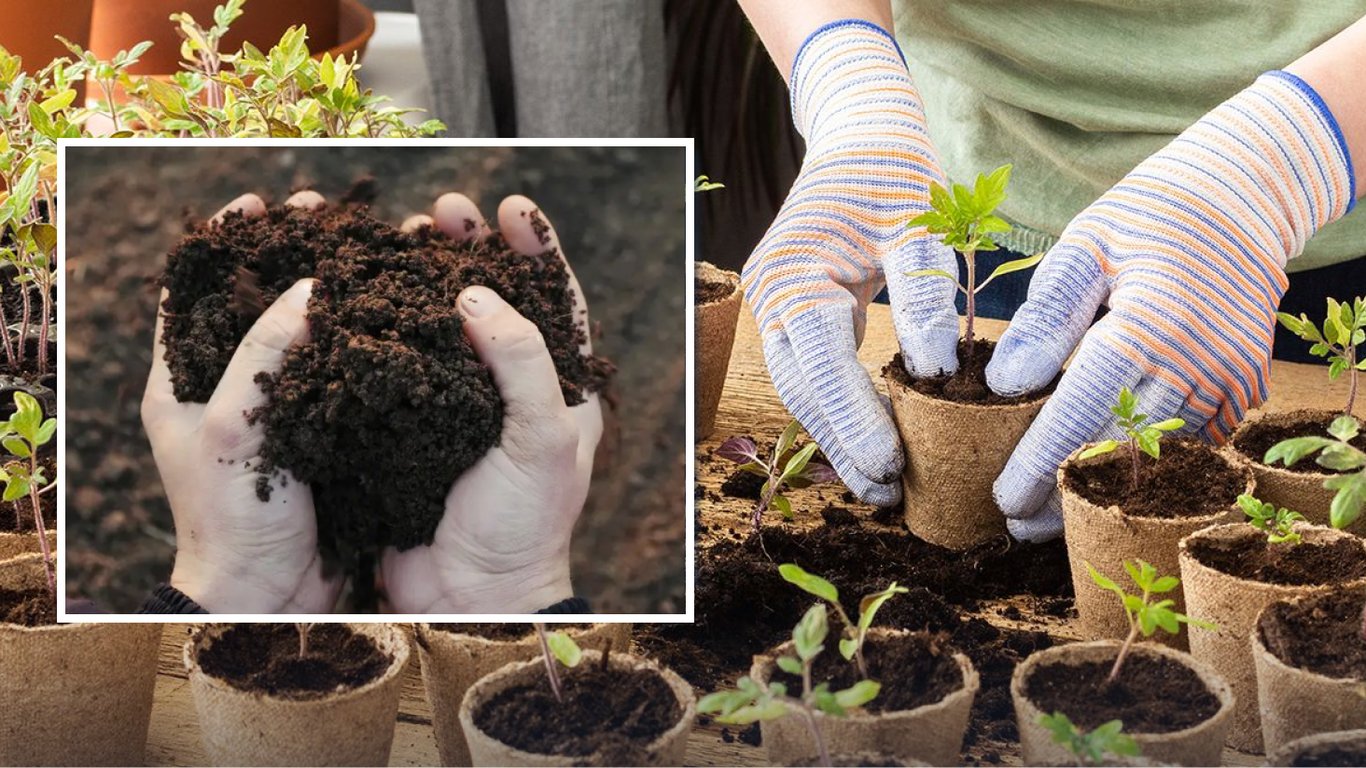
The Risks of Using Garden Soil for Seedlings
According to Novyny.live: Planting seeds for seedlings directly in soil taken from your vegetable garden is a risky practice that can threaten young plants. This common soil often harbors pathogens, pests, and other harmful elements. It can contain weed seeds, fungal spores, bacteria, and insect larvae, all of which significantly increase the risk of disease in vulnerable seedlings. For gardeners starting plants indoors, this is a critical early-season consideration. Another issue is the dense, compact structure of typical garden soil, which can lead to poor aeration and root rot. Furthermore, an excessive concentration of nutrients in this soil can actually 'burn' and damage the delicate, developing root systems of young plants.
Guidelines for Selecting the Right Growing Medium
Experts advise paying close attention to the specific requirements of seedling soil. An ideal growing medium should be light, loose, well-aerated, and capable of retaining moisture. The optimal soil acidity for most seedlings falls within a pH range of 6.0 to 7.0. Key components for creating or identifying a suitable seedling substrate include:
- Peat
- Agroperlite
- Vermiculite
- Coarse river sand
- Coconut coir
- Compost
- Sod or leaf mold
Using such a blend provides optimal growing conditions and helps avoid the numerous problems associated with raw garden soil.
Particularly dangerous for seedlings are pure black earth (chernozem), heavy clay soil, and heavily compacted earth, as they fail to meet the necessary criteria for successful cultivation. To reduce soil acidity, it is recommended to add dolomite flour or wood ash. Ultimately, selecting the correct soil mixture is fundamental to ensuring healthy plant growth and development, paving the way for successful seedling cultivation.
Choosing the right substrate is a critical step in the plant-growing process, as it directly impacts the health and future productivity of your crops. Utilizing specially prepared mixes that meet quality and structural requirements helps prevent the multitude of issues that arise from using untreated garden soil. This approach allows gardeners to achieve better results and provides their plants with a strong, healthy start.
Read also
- A Simple Recipe for Tomato Fertilizer Made from Yeast and Banana Peels
- Custom Door Signs Over Stock Options: How Office and Residential Navigation Is Evolving
- Best Haircuts for Thick Hair: Styles That Enhance Your Natural Beauty
- Financial and Relationship Shifts Await in July 2026: Which Zodiac Signs Should Prepare
- Zucchini Plants Overrun with Male Flowers: How to Fertilize for a Bumper Harvest
- Aries Set to Be the Week's Biggest Winners: What Retrograde Neptune Has in Store