5 Key Composting Mistakes That Prevent Decomposition and How to Fix Them.

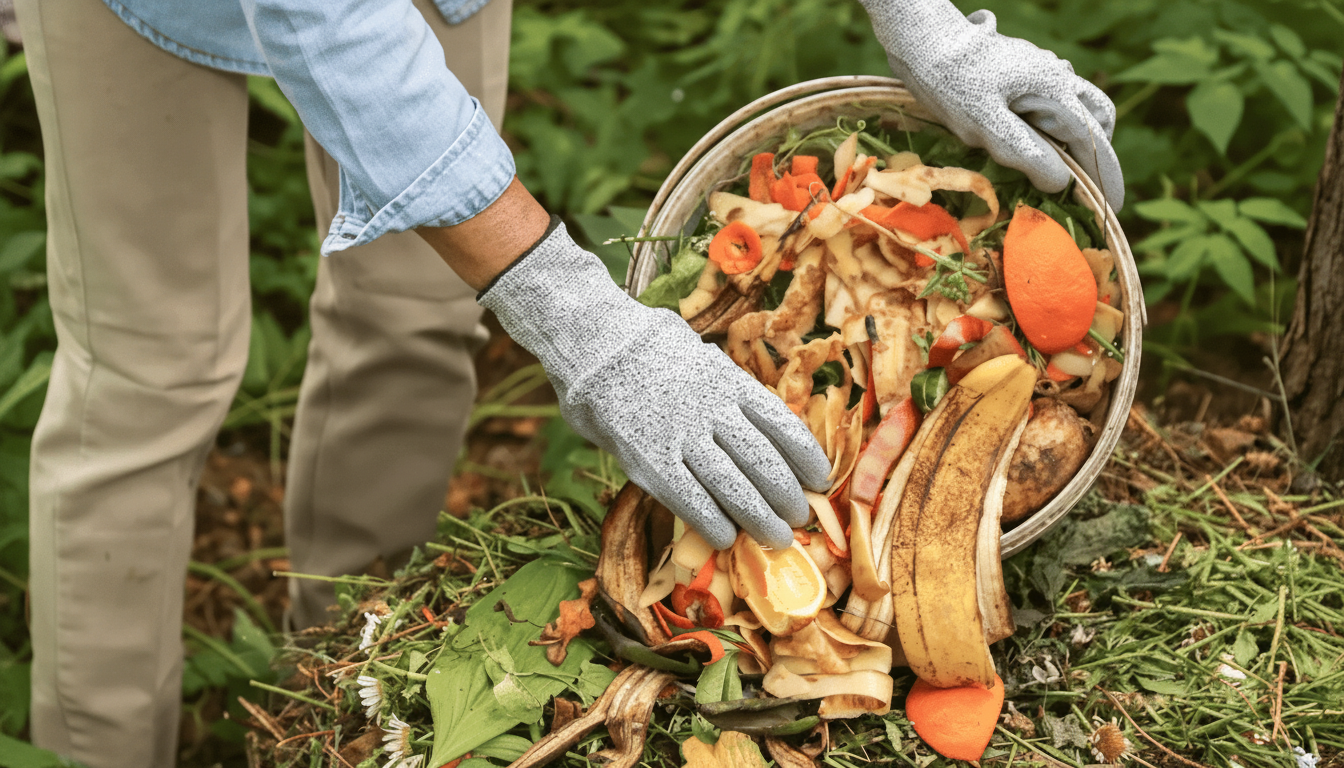
Common Composting Errors
According to Novyny.live: Composting is a complex biological process that requires specific conditions to succeed. Failures often stem from several recurring issues, which this article will address with practical solutions. The main mistakes that can derail the process include:
- an improper balance of materials;
- insufficient moisture;
- lack of aeration;
- a compost pile that is too small;
- cold weather interference.
Below, we break down these challenges and offer ways to correct them.
Mistakes in the Composting Process
One of the most frequent errors is an incorrect nitrogen-to-carbon ratio. For optimal results, the pile should consist of three parts brown materials (carbon-rich) to one part green materials (nitrogen-rich). Getting this ratio right is essential for proper decomposition.
The second issue is a lack of moisture. The compost should feel like a wrung-out sponge. When it is too dry, the breakdown process slows significantly, which can lead to failure.
Airflow is another critical factor. A lack of oxygen and compaction of the pile can hinder decomposition, often due to insufficient pile volume. The ideal compost pile measures about 1 meter in height, width, and length. If the pile is too small, it may not heat up or aerate properly, affecting the quality of the final product.
Cold weather also plays a major role. During colder months, the compost must be insulated to maintain the optimal temperature for breaking down organic matter. Neglecting this can slow the process or, in some cases, halt it entirely.
You can tell compost is active again by visual cues, such as changes in color and texture. A successful composting cycle yields a valuable fertilizer that improves soil fertility. By following these guidelines, you can avoid common pitfalls and ensure efficient composting.
Composting is a key part of eco-friendly practices, helping to reduce waste and enhance soil quality. Successful composting not only recycles organic materials but also benefits the environment by cutting down on the need for chemical fertilizers. Understanding these basics is an important step toward sustainable gardening and agriculture.
Read also
- Blago Becomes Lead Partner of Lviv Fashion Week: What This Means for Ukrainian Designers
- From Johnson’s Memoir to the War of Tomorrow: 5 Must-Read Books Coming in 2026
- Forecaster Didenko Issues Weather Update for July 15: Where Rain Is Expected
- How to Choose a School Backpack: Key Factors for Your Child's Health and Comfort
- A Simple Recipe for Tomato Fertilizer Made from Yeast and Banana Peels
- Custom Door Signs Over Stock Options: How Office and Residential Navigation Is Evolving