Winter Egg Production Slump: Key Causes and Solutions for Your Hens.

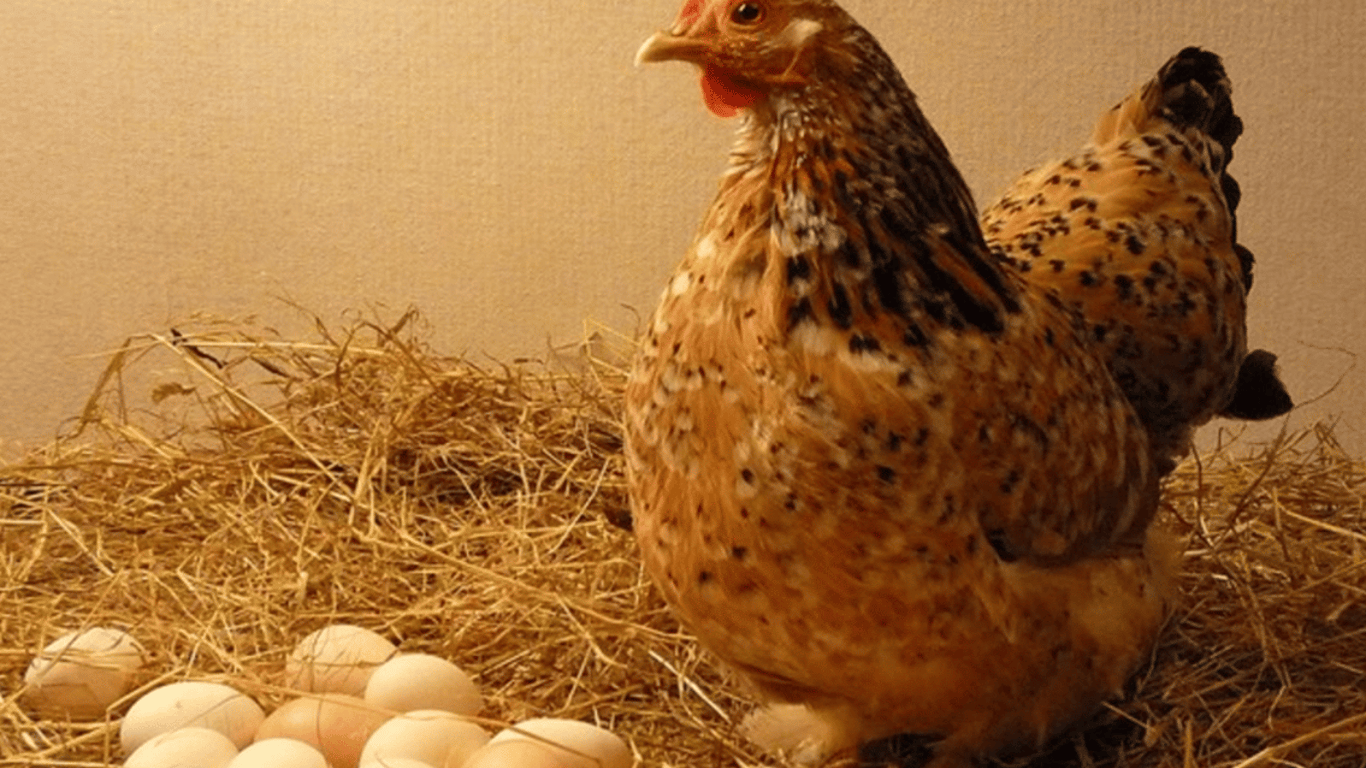
Understanding the Winter Egg Production Decline
According to Novyny.live: A drop in egg-laying during winter is a common challenge for poultry keepers, driven by several interconnected factors. The primary reasons hens stop laying in the colder months include:
- Low temperatures
- Reduced daylight hours
- Protein loss during molting
- Nutritional deficiencies
These elements significantly impact the birds' productivity, requiring proactive management from farmers and backyard coop owners alike.
Essential Strategies to Maintain Laying Rates
Light exposure is a critical factor for egg production. Hens require 14 to 16 hours of light per day for consistent laying. The naturally short days of winter drastically reduce this exposure, leading to decreased output. Therefore, providing supplemental lighting in the coop is essential to maintain optimal conditions.
Temperature plays an equally vital role. For hens to remain comfortable and productive, the coop temperature should not fall below +15°C. When temperatures drop to between +10°C and +12°C, egg production typically begins to decline. Monitoring the climate and using heaters or additional insulation when necessary is crucial.
Winter nutrition demands special attention. To support productivity, a hen's diet must be rich in:
- Calcium
- Protein
- Vitamins
- Vegetables
Access to enriched feed can help address nutritional shortfalls that cause reduced laying. Balancing their diet to ensure all necessary components are present is key for their health and output.
In summary, to encourage hens to resume laying, optimal conditions must be provided: sufficient light, a comfortable temperature, and a balanced diet. Implementing these measures will help improve flock productivity even during the winter season.
For many small-scale farmers and homesteaders, a winter pause in egg production can impact household food supplies or farm income. The decline in winter laying is a significant concern as it can lead to economic losses from reduced egg yield. Properly managing environmental factors like lighting, temperature, and nutrition underscores the need for knowledge and skill in poultry husbandry. Ensuring optimal conditions not only boosts productivity but also enhances the overall welfare of the birds, which is a critical aspect of sustainable and ethical flock management.
Read also
- Blago Becomes Lead Partner of Lviv Fashion Week: What This Means for Ukrainian Designers
- From Johnson’s Memoir to the War of Tomorrow: 5 Must-Read Books Coming in 2026
- Forecaster Didenko Issues Weather Update for July 15: Where Rain Is Expected
- How to Choose a School Backpack: Key Factors for Your Child's Health and Comfort
- A Simple Recipe for Tomato Fertilizer Made from Yeast and Banana Peels
- Custom Door Signs Over Stock Options: How Office and Residential Navigation Is Evolving