Why Spreading Grains in the City in Winter is a Dangerous Mistake.

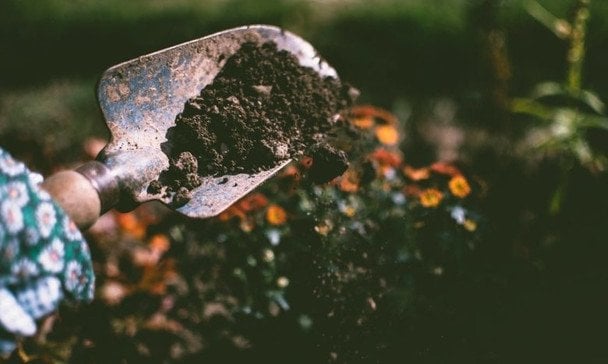
According to ТСН: With the onset of the winter season, garden owners begin to plan future plantings and look for ways to fertilize the soil. During this period, the informational space is filled with dubious tips that promise quick results but can actually seriously harm your plots. Instead of improving the soil structure, those who follow such "life hacks" often face new problems that need to be fixed in the summer.
One common piece of advice suggests spreading grains over the plot in winter, claiming that this can replace compost. However, experts point out that this is one of the worst methods that only introduces risks.
The Myth of the "Miracle Fertilizer" and Compost Replacement
Adherents of this approach consider regular grains a cheap alternative to compost that instantly enriches the soil. However, specialists emphasize that comparing these two means is like comparing raw dough to baked bread. Compost is already a ready resource for the soil, obtained as a result of a long decomposition process of organics, containing humus, readily available elements, and billions of beneficial microorganisms.
Unlike compost, grains (like rice, buckwheat, or millet) are a dead, raw product, mainly composed of starch. To become fertilizer, they must undergo a rotting process. On the surface of the ground, grains initiate decay, accompanied by the development of pathogenic mold rather than a beneficial microbiome.
Why Adding Grains in Winter Leads to Problems
Spreading grains over snow or frozen ground in winter does not increase fertility and can create serious threats for the garden:
A Feast for Pests: In winter, when food is scarce, grains become attractive to mice and rats. Thus, instead of nourishing the soil, you are laying bait for rodents, which can harm young plants in spring.
A Breeding Ground for Mold and Decay: When getting under snow, grains begin to mold due to moisture, forming a dense crust that blocks oxygen access to the soil and promotes fungal infections.
Inaccessible Fertilization: Added in the form of grains, no nutrient can penetrate the soil, and during the spring snowmelt, all help is simply washed away.
Where This Grain Myth Came From
Most likely, this recommendation is a distorted version of an effective agronomic technique — sowing cover crops. Unlike scattering dead product, agronomy recommends sowing live seeds in the fall, which sprout and structure the soil with their roots.
How to Properly Care for the Soil
To increase the fertility of the plot, experienced agronomists advise following classic methods:
Adding Compost: The most convenient method is to use mature compost during autumn tillage, allowing organic compounds to combine with the soil.
Growing Cover Crops: Sowing winter rye, mustard, or oats at the end of summer helps improve soil structure and accumulate useful elements.
Mulching: Using straw or dry grass helps protect the soil from freezing and supports the viability of beneficial organisms.
Do not forget, caring for the garden is a science, not magical tricks from the internet. Avoid shocking headlines, take care of your land properly — and it will generously reward you with a harvest.
Read also
- Hairstyles That Wreck Fine Hair: Top Mistakes to Avoid
- Fight Dust with Liquid Glycerin: A Simple Pharmacy Find That Transforms Your Cleaning Routine
- Kyiv Region Braces for a Warm June 11: Temperatures Set to Reach +28°C
- A Simple Zucchini and Eggplant Stew Recipe from 'Tasty Bites'
- A Festive Drink Made from Tea Rose Petals: An Easy Recipe for Your Holiday Table
- A Surprising Twist on Crab Stick Salad: One Unlikely Ingredient Transforms the Flavor