Black boxes from Azerbaijan Airlines aircraft to be sent to Brazil.

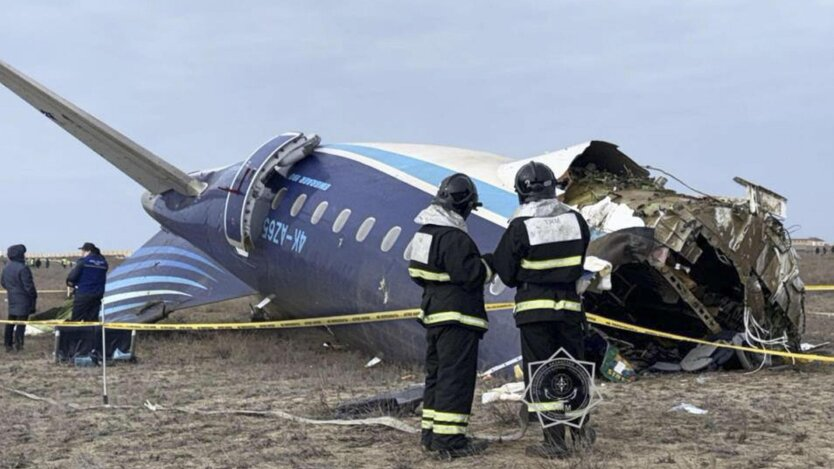
The flight data recorders of the Azerbaijan Airlines aircraft, which crashed near the city of Aktau in Kazakhstan, will be delivered to Brazil for further examination. This decision was made by the Commission for the Investigation of the Aviation Incident, considering the recommendations of the International Civil Aviation Organization (ICAO) and after consultations with the aviation authorities of Azerbaijan and Russia. The Center for Investigation and Prevention of Aviation Incidents of Brazil (CENIPA) will analyze the information from the flight data recorders, reports Radio Liberty.
On December 25, in the morning, the Azerbaijan Airlines plane, which was flying from Baku to Grozny, crashed near Aktau. As a result, 38 people died.
According to information from Euronews and the Reuters agency, the cause of the crash was a Russian anti-aircraft missile system. According to Reuters reports, the missile was fired against a backdrop of 'aerial activities of drones' over Grozny and exploded near the aircraft, damaging its fuselage.
On December 27, Dmitry Yadrova, head of 'Rosaviation', confirmed that during the landing of the aircraft at Grozny airport, it was attacked by drones. He stated that the aircraft's commander was offered other airports in Russia for landing, but he decided to fly to Aktau. According to Euronews, the Azerbaijani government reported that the crew of the damaged aircraft requested an emergency landing, but was not allowed to land at any Russian airport.
Read also
- Zelensky and Top Military Command Outline Response Plan to Russian Strikes
- EU's New Sanctions Package Targets Crypto Platforms Used to Bypass Restrictions
- New directives for Ukraine's National Security and Defense Council: Zelenskyy assigns tasks to Umerov and Klymenko
- Ukraine Extradites Former Lawmaker Demchak in Major Push to Bring Back Suspects
- EU Adopts 21st Sanctions Package Against Russia: What the New Restrictions Target
- Lithuania Accuses EU Nations of Undermining Sanctions for Their Own Economic Gain