Four Ways to Put Grass Clippings to Work: Fertilizer, Mulch, Compost, and Pest Control.

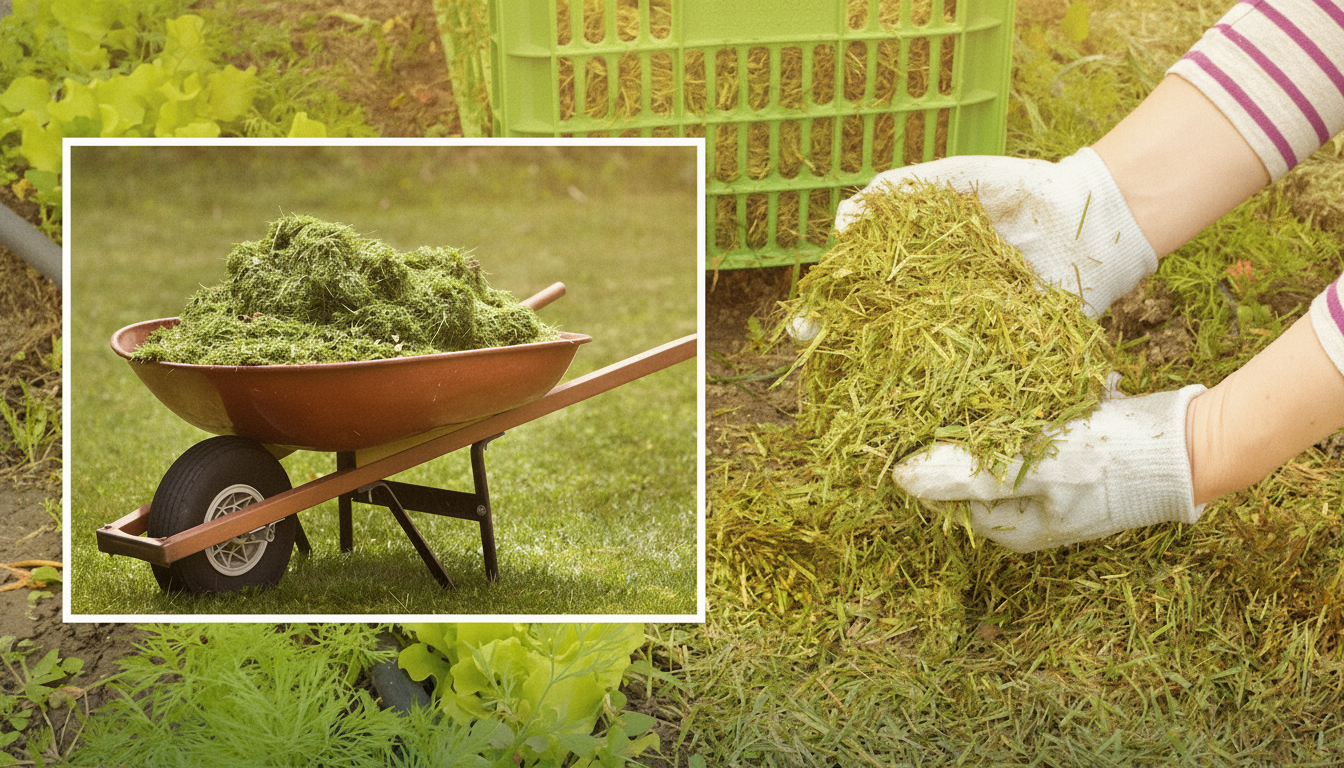
How to Make the Most of Grass Clippings in Your Garden
According to Novyny.live: For gardeners and farmers, grass clippings are far more than yard waste—they're a versatile resource that can improve plant care in multiple ways. This material not only feeds garden crops but also offers other valuable benefits.
First, grass clippings break down quickly, releasing abundant nitrogen into the soil, which promotes healthy plant growth. One practical use is as a fertilizer. Working clippings into the ground enriches it with essential nutrients that plants need to thrive.
Additional Uses for Grass Clippings
Another effective approach is mulching. A layer of grass clippings helps the soil retain moisture, which is especially critical during dry spells. This mulch also prevents the ground from overheating, protecting root systems, and it suppresses weed growth, reducing the need for manual weeding or chemical herbicides.
Grass clippings are also a key ingredient in compost piles. Rich in nitrogen, they make compost more nutrient-dense and beneficial for plants. Adding clippings to compost speeds up decomposition and helps produce high-quality organic fertilizer.
One surprising benefit is their ability to protect garden beds from slugs. As the clippings decompose, they create an environment that these pests find unfavorable, offering plants an extra layer of defense.
However, there are important restrictions to keep in mind. Burning grass clippings is illegal under Ukrainian law, a rule designed to protect the environment and prevent air pollution.
In short, grass clippings are a valuable material with clear advantages for gardening and farming—from fertilizing and mulching to composting. Used responsibly, they can significantly improve growing conditions and supply plants with necessary nutrients.
Incorporating grass clippings into garden and farm practices not only boosts soil fertility but also supports sustainable agriculture. Given environmental regulations like the ban on burning, gardeners have a strong incentive to use this resource efficiently, reducing waste while enhancing crop quality. Promoting these smart methods among both home gardeners and agronomists is essential.
Read also
- From Johnson’s Memoir to the War of Tomorrow: 5 Must-Read Books Coming in 2026
- Forecaster Didenko Issues Weather Update for July 15: Where Rain Is Expected
- How to Choose a School Backpack: Key Factors for Your Child's Health and Comfort
- A Simple Recipe for Tomato Fertilizer Made from Yeast and Banana Peels
- Custom Door Signs Over Stock Options: How Office and Residential Navigation Is Evolving
- Best Haircuts for Thick Hair: Styles That Enhance Your Natural Beauty