David Lynch Films and Series: Best Works of the Cult Cinema Director.


It's hard to find a movie lover who doesn't know David Lynch and his works. After all, David Lynch films are a kind of a true separate genre that has many peculiarities.
Therefore, the theme of David Lynch films and television shows is quite interesting and diverse. It should also be noted that not everyone will like the best David Lynch films, as his style is rather specific.
Best Films and Series of David Lynch
David Lynch's cinematic world is a territory where ordinary reality ceases to exist, giving way to dreams, nightmares, and half-forgotten memories that arise from the depths of the subconscious. Each work of this director is a carefully constructed creation that operates on the edge of psychological thriller, surrealism, and noir, where the viewer constantly balances between understanding and complete bewilderment. Lynch doesn’t explain his ideas; instead, he offers to feel the atmosphere, dive into the sound design, examine the details that would escape the attention of another director.
This multilayered nature makes his films objects for numerous interpretations, academic research, and heated discussions among film critics and viewers. Lynch's creative works span nearly five decades, and each new project is perceived as an event that breaks established narrative standards. From the debut 'Eraserhead' to the third season of 'Twin Peaks' — the director remained true to his own vision, not adapting to commercial demands or audience expectations. The visual style of the artist is immediately recognizable: contrasting lighting, slow panoramas, expressive close-ups that transform ordinary objects into symbols. This material examines the key works of the director.
Among Lynch's numerous filmography, several works can be highlighted as key to understanding his creative method, while each subsequent film or series added new facets to the overall picture of his worldview. If early films impressed with experimentation and the willingness to shock the viewer, later projects demonstrated greater restraint but no less depth, indicating the evolution of the author. A special place in his work is occupied by the series 'Twin Peaks,' which changed the television landscape by showing that the serial format can accommodate complex psychological dramas with elements of mysticism. Many actors who starred in Lynch's works became his regular collaborators, including Kyle MacLachlan, Laura Dern, and Sherilyn Fenn. The sound design in the director's films is often created in collaboration with Angelo Badalamenti, whose melodies became a hallmark of the style. Each of Lynch's works is not just a story but an exploration of the dark corners of the human psyche. The films require active viewer engagement for interpretation. They do not provide ready-made answers. They provoke questions. Lynch’s works continue to influence modern cinema.
Eraserhead (1977)
Lynch's debut full-length film emerged from his short film experiments and became a kind of manifesto of independent surrealist cinema, which rejects traditional dramaturgy. The main character, Henry, lives in an industrial wasteland where the hum of machinery is constantly heard, and the air seems heavy and toxic. His girlfriend gives birth to a child that resembles a humanoid with reptilian features, and this image evokes disgust and anxiety while simultaneously attracting attention with its horrifying beauty. Henry tries to escape reality in dreams, where he meets a woman from the stage who sings about heaven and paradise. The black-and-white palette of the film creates a feeling of eternal night. The film became cult due to its uncompromising nature. Many filmmakers acknowledge the influence of this film.
The Elephant Man (1980)
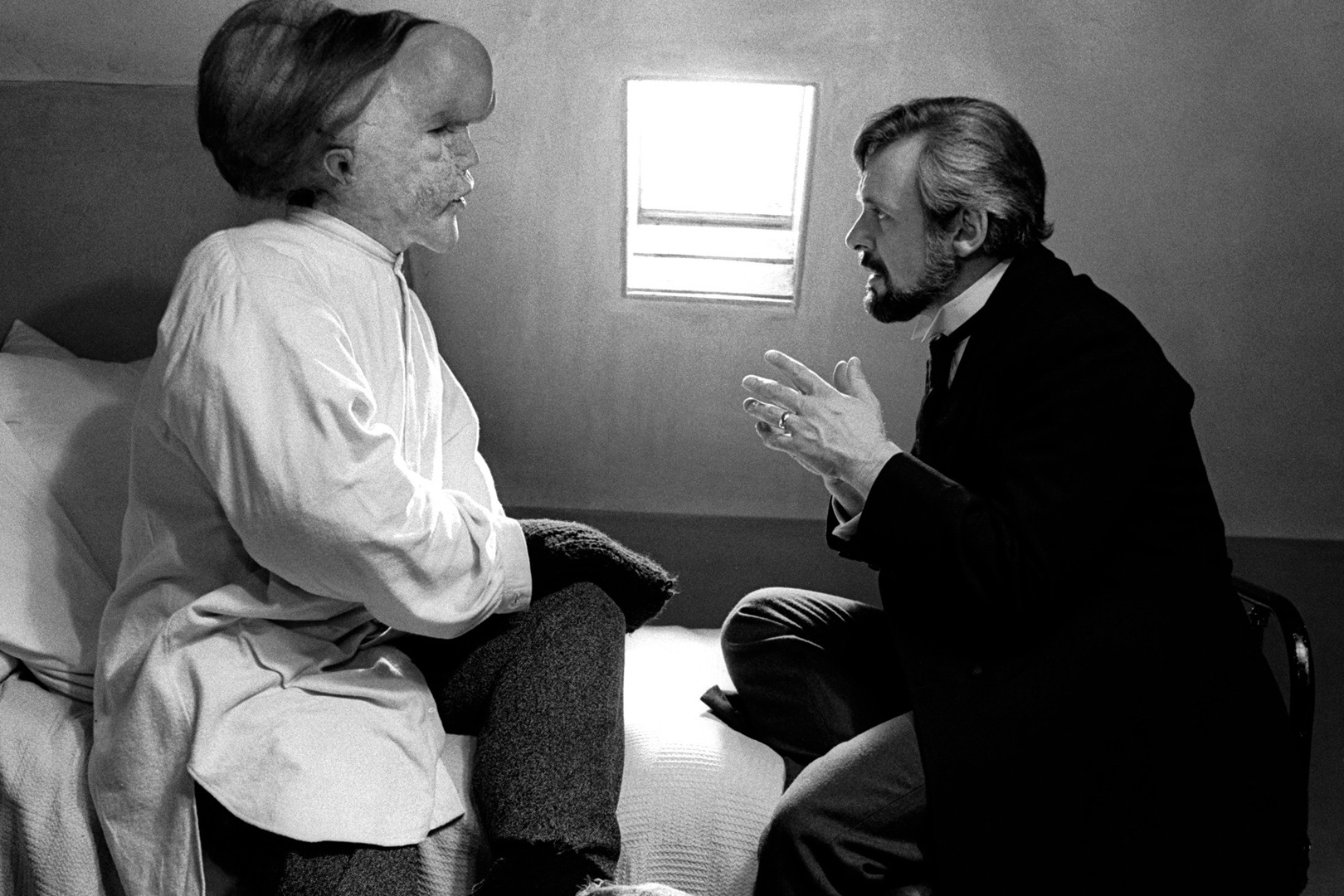
Lynch's first commercial success came with this historical drama, which tells the tragic story of Joseph Merrick, a man with severe physical disabilities. John Hurt portrayed the main role, managing to convey the hero's inner world through facial expressions and gestures. The film received eight Oscar nominations. It remains a model of humanitarian cinema.
Dune (1984)
The adaptation of the science fiction novel became the most ambitious project of the director. The film received mixed reviews. The visual decisions were ahead of their time.
Blue Velvet (1986)
This film brought Lynch back to independent cinema. The plot unfolds in an American town. The main character finds a severed ear. Behind this discovery opens a world of violence. Dennis Hopper created the image of a psychopath. The film explores the duality of human nature.
Wild at Heart (1990)
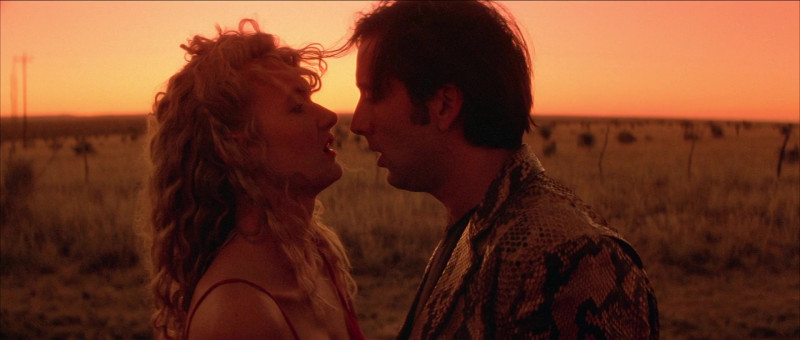
The film won the Palme d'Or at Cannes. The plot tells the story of a couple's escape. Nicolas Cage created the image of a rebel. Laura Dern played the main role.
Twin Peaks: Fire Walk with Me (1992)
This prequel to the cult series 'Twin Peaks' was released two years after the conclusion of the main story, but instead of the expected answers, it offered viewers even more questions, focusing on the last days of Laura Palmer's life - a character whose death became the starting point of the entire series. The director decided to show events from the perspective of the victim herself, allowing for immersion into her inner world, filled with fear, despair, and attempts to escape inevitable fate. Sherilyn Fenn, who played Laura, created one of the strongest female images in Lynch's career, conveying that thin line between reality and nightmare which is constantly blurred throughout the film. Unlike the series, where mysticism played an important but not dominant role, here the supernatural becomes the main driving force of the plot, and the spirits of the Black Lodge receive significantly more screen time. Critics received the film ambiguously due to its depressive mood and lack of humor that was present in many episodes of the TV version, but later the film acquired a cult status. It is important to note that the sound design of the film, created in collaboration with Angelo Badalamenti, reaches new heights here, enhancing the sense of doom.
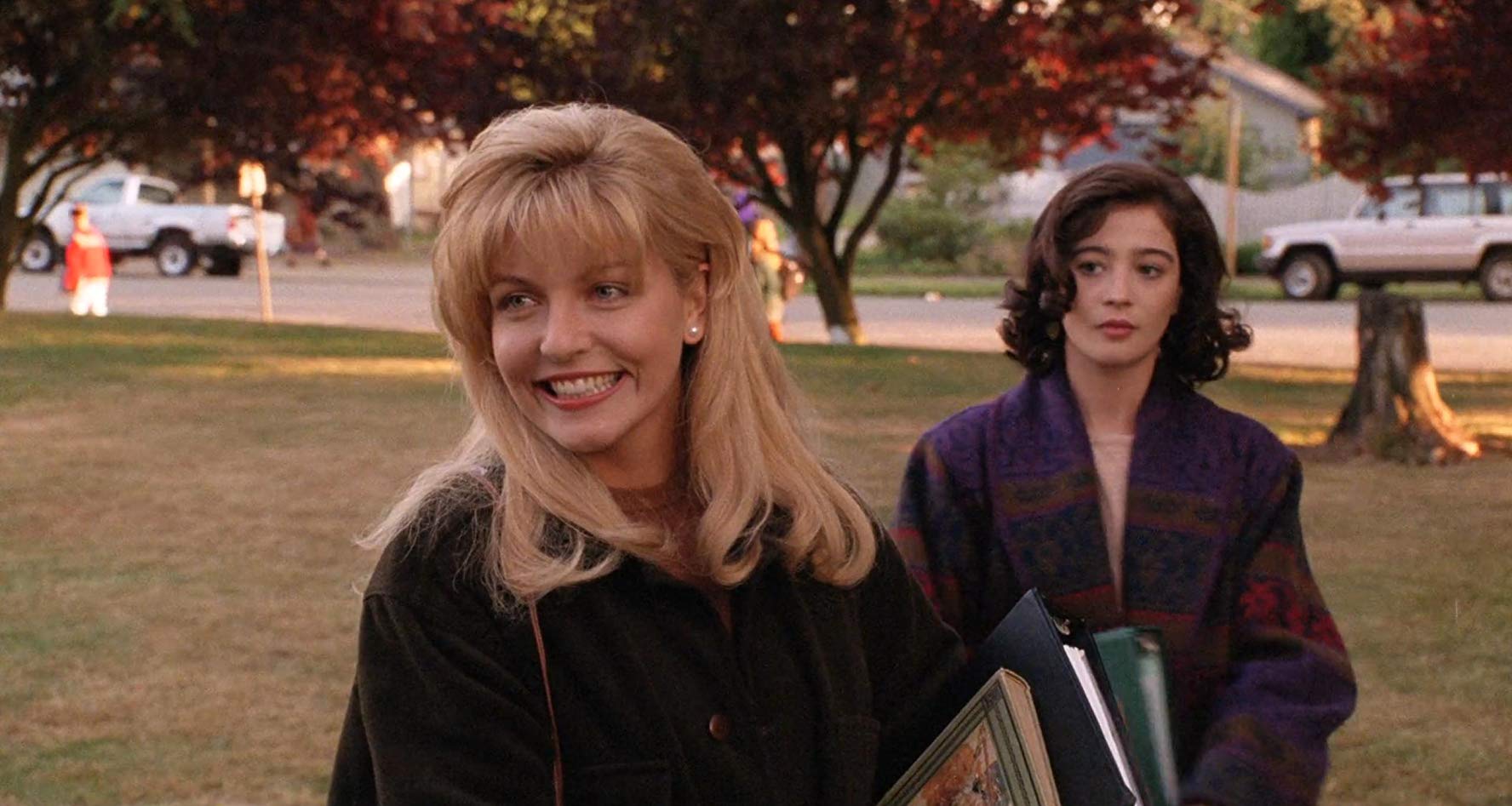
The film also expands the mythology of the 'Twin Peaks' universe by introducing new details about the origin of evil. Many fans consider this work the most underrated in the director's creative portfolio. Watching the film after familiarizing with the series opens a completely different level of perception of events. The tragic fate of Laura Palmer receives its closure here. The brutal scenes impress with their uncompromising nature. The symbolism of fire and hands acquires new meaning. The picture demonstrates the maturity of the director. It is no less powerful than the series. The film requires emotional endurance. It remains relevant for decades. Returning to this film each time opens new facets of the plot. The 'Twin Peaks' universe would be incomplete without this film. This work is an important part of the artist's creative legacy.
Lost Highway (1997)
This film became a kind of return for Lynch to surrealistic experiments after the relatively restrained 'The Straight Story', offering viewers an intricate story of murder, betrayal, and loss of identity that cannot be understood in the first viewing. The plot revolves around jazz musician Fred Madison, played by Bill Pullman, who receives mysterious videotapes with recordings of his own home and later becomes a suspect in the murder of his wife. An unexpected twist occurs when the hero transforms into a young mechanic, Pete Dayton, while in prison, and this transformation has no rational explanation, forcing the viewer to seek keys to the puzzle in the character's subconscious. Lynch uses the 'time loop' technique, where events repeat with variations, and characters change their faces while remaining the same entities, creating an effect of a closed circle.

Patricia Arquette played a dual role of Fred's wife and Pete's lover, emphasizing the theme of duality that permeates the entire film. The soundtrack, which includes compositions by the band Rammstein and ambient music, enhances the feeling of anxiety and hopelessness. The film received the prize for Best Direction at the Cannes Film Festival. The influence of this film on modern directors is significant. The visual aesthetics of 'Lost Highway' became a source of inspiration for many music video makers. Each scene is filled with symbolism. The film requires active viewer engagement for interpretation. It remains one of the most tangled works of the director. Returning to the film each time reveals new details. The picture explores the nature of jealousy and the fear of losing control. Lynch masterfully conveys the state of delirium when reality is replaced by fantasies.
The Straight Story (1999)
This film stands out from the general context of Lynch's work, as there are no surrealistic elements, mysticism, or symbolism here - just a pure, almost documentary story of an elderly man's journey on a lawnmower across several states to reconcile with his sick brother. The film is based on real events, which gives it a special authenticity and emotional power, as the viewer understands that such a journey actually took place. Richard Farnsworth played the lead role, creating a touching image of the old farmer Alvin Straight. The actor's performance is distinguished by sincerity and simplicity. The film received an Oscar nomination for Best Actor. Critics noted the surprising humanitarian tone of the film for Lynch. The slow pacing of the narrative allows the viewer to immerse in the inner world of the hero. The film makes one contemplate the fleetingness of life. It shows that reconciliation is possible even in deep old age. This film is one of the brightest in the director's portfolio.
Twin Peaks (1990–1991)
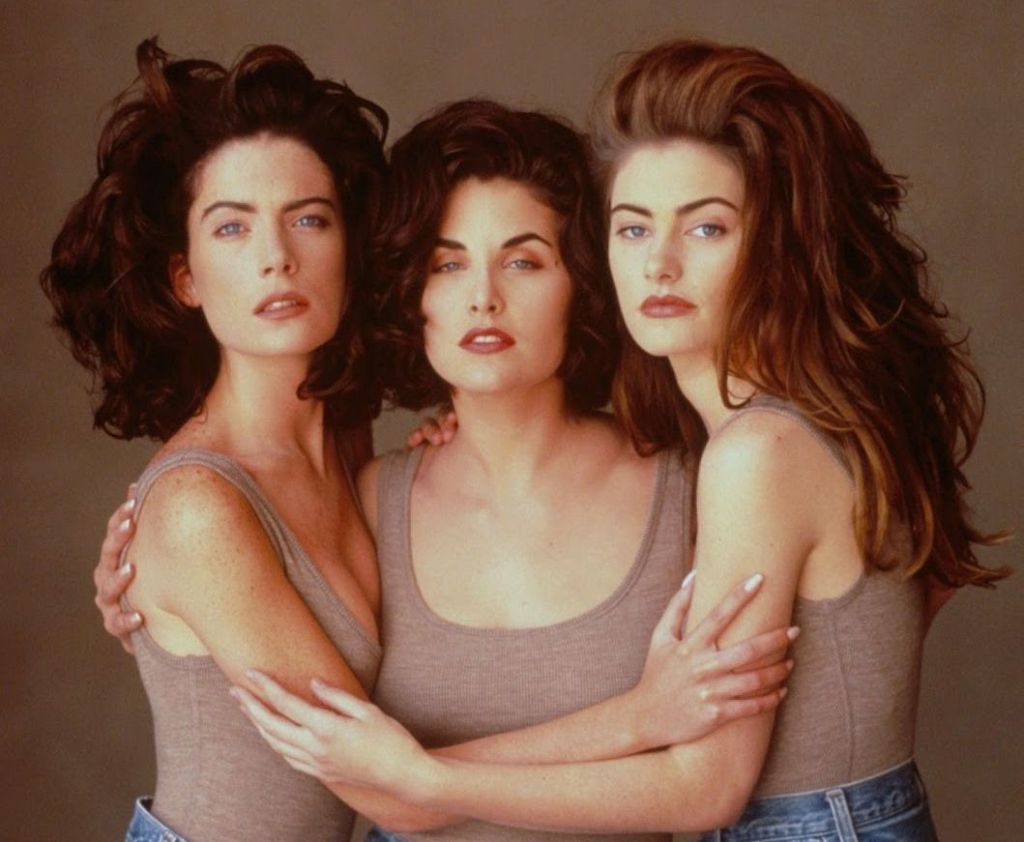
This series became a true phenomenon that changed the perception of television cinema, as it was the first time that viewers were offered not just a detective story, but a complex psychological drama with elements of mysticism, black humor, and philosophical reflections. The plot unfolds in a quiet town in the northwest of the USA, where the investigation of the murder of high school student Laura Palmer reveals the dark secrets of the residents. FBI agent Dale Cooper, played by Kyle MacLachlan, became one of the most famous characters in television history. The series combines surreal dreams, strange characters with timeless dialogues, and a tense atmosphere. The influence of 'Twin Peaks' on modern television culture is hard to overestimate.
Hotel Room (1993)
This three-part television project is a lesser-known work of Lynch, but it deserves attention due to its unusual concept — each episode tells a story that takes place at different times in one hotel room. The first episode unfolds in the 1930s. The second takes the viewer to the 1960s. The third occurs in the present. This approach allows examining how perceptions of life, love, and death change over the decades. Chris Penn and Harry Dean Stanton played the main roles. The project received positive reviews but remained overshadowed by Lynch's more monumental works. Each episode has its own atmosphere. The film demonstrates the director's attention to detail. It is an interesting experiment in the genre of television drama. The project deserves the attention of Lynch's fans. It reveals a unique insight into human nature.
Of course, not only the story about Twin Peaks makes David Lynch cult, but it is this work that has glorified him. At the same time, Lynch has released many interesting and unique works.
Read also
- The Best Heist Movies: A Top List of Captivating Crime Films
- Yevgen Kaporin, 40, Weds 22-Year-Old Sofia: An 18-Year Age Gap
- Pregnant Belly Revealed: Ukrainian Actress Kateryna Tyshkevych Poses in a Daring Dress
- Ukrainian Singer Nastya Kamenskikh Poses for a Photoshoot in a Kyiv Cornfield
- Meghan Markle Shares Intimate Vacation Moments with Harry and Their Kids
- Actress Daria Petrozhytska Transforms into a Mavka in a New Outdoor Photoshoot