Diplomatic Trap: How Moscow Turns Trump's Peace Initiatives into Its Own Victory.

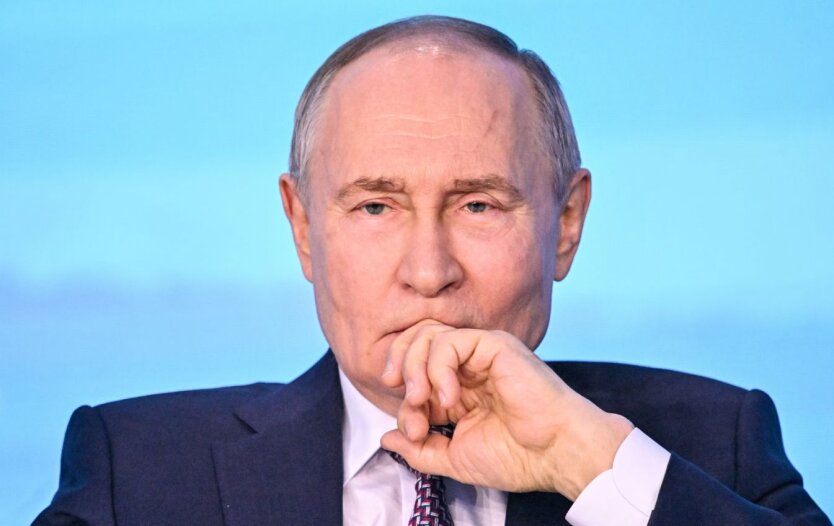
President Donald Trump is trying to quickly end the Russian-Ukrainian war, but his efforts face contradictions in Russia's strategy and Vladimir Putin's goals. The meeting of U.S. and Russian representatives in Riyadh shows that the Kremlin desires a prolonged negotiation process without clear deadlines.
For Russia, resuming talks with the United States is already a significant achievement that helps it overcome international isolation. Trump's recent statements indicate a radical shift in U.S. policy in favor of Russia, but translating this rhetoric into concrete agreements will be a challenging task.
'There are doubts inside the Kremlin that Trump understands the complex issues that need to be resolved,' said Thomas Graham, a former Russia advisor.
Russia is likely to seek to influence the course of negotiations by increasing military pressure on the front. The U.S. may use its leverage over Moscow, including tightening restrictions on Russian oil exports and supporting Kyiv.
While Trump shows a tendency towards diplomatic dialogue, his advisors increasingly mention sanctions less frequently. Trump has two paths to accelerate the negotiation process - pressuring Moscow or Kyiv. Criticism of Zelensky indicates that Trump tends toward the latter option.
Putin is not interested in Trump solving the Russian issue and is focused on other priorities. Moscow desires a prolonged negotiation process.
Read also
- 50% Tariffs Imposed by Trump on Canadian Goods: Automobiles, Alcohol, and Dairy Hit Hard
- Trump Denies Netanyahu Arrest in US as ICC Warrant Looms Over Israeli PM’s UN Visit
- What Trump and the UK’s New Prime Minister Discussed in Their First Call
- Iran Faces US-Israel Ultimatum: Accept a Ceasefire or Prepare for Joint Military Action
- Iran Crisis Deepens: Why a Military Solution Is Inevitable, According to an Expert
- Why Rubio’s Call to Protect Shipping in the Strait of Hormuz Matters for Global Security