Winter Feeding of Houseplants: Why Fertilizers Can Be Harmful and What to Use.

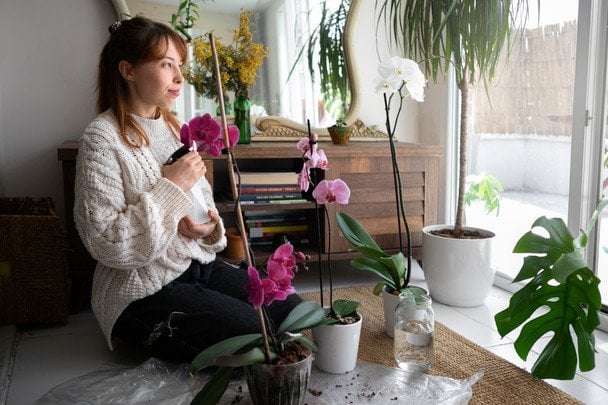
According to ТСН: During the winter period, houseplants enter a dormant stage of development, so summer fertilizers may be too aggressive for them. Many people mistakenly continue to feed their plants with chemical agents, which can lead to leaf drop, yellowing, and weakening of the root system. In winter, from December to March, plants need gentle support — natural and moderate. There are several simple homemade ways to fertilize that can be more effective than traditional fertilizers.
What is the Best Fertilizer for Houseplants in Winter
-
Settled Water with Honey. Honey is a natural stimulant that helps plants survive insufficient light and dry air. Dissolve half a teaspoon of honey in a liter of warm water and water once every three weeks. This provides plants with gentle nourishment and strengthens their immunity without putting the roots at risk.
-
Banana Water. Banana peels are rich in potassium, which is essential for supporting the root system in winter. To prepare: soak one banana peel in a liter of water for a day and then strain. Water the plants with this infusion once a month to stimulate the formation of new roots and prevent winter wilting.
-
Water After Boiling Vegetables. If you are boiling potatoes, carrots, or broccoli without salt, do not pour out the water. It contains micronutrients that are well absorbed by plants. Water flowers with this water once every two weeks.
-
Yeast Support. Yeast activates the reproduction of beneficial microorganisms in the soil even in winter. To prepare the mixture, combine half a teaspoon of dry yeast, one teaspoon of sugar, and 0.5 liters of warm water. Let it steep for two hours, dilute in a ratio of 1:5, and water the plants. Once in winter will be quite sufficient.
Why Homemade Fertilizers Are Better Than Store-Bought Fertilizers in Winter
-
They are gentle and do not overload the roots.
-
Do not stimulate active growth, which is undesirable in cold weather.
-
Support plant immunity and soil microflora.
-
Do not cause soil salinization, as is often the case with store-bought fertilizers.
The choice of homemade fertilizers for plants during the winter period is becoming increasingly popular among green enthusiasts. By using simple and accessible ingredients, one can not only save on fertilizers but also create a healthy environment for their plants. Proper winter care will help your greenery not only withstand the cold but also prepare for the spring growth period.
Read also
- Egg-Free Kefir Pancakes: A Simple Recipe with a Dough Secret
- White Acacia Kvass: A Step-by-Step Guide from Klopotenko
- A 30-Minute No-Bake Lemon Dessert: Easy Recipe with Everyday Ingredients
- Easy Pickled Tomatoes for Winter: The Perfect Brine Recipe Using 1 Liter of Water
- A 15-Minute Dinner That Feels Like a Feast: Carbonara-Style Potatoes with Bacon and Cream Sauce
- A Quick 5-Minute Homemade Gravy: Simple Ingredients, Big Flavor