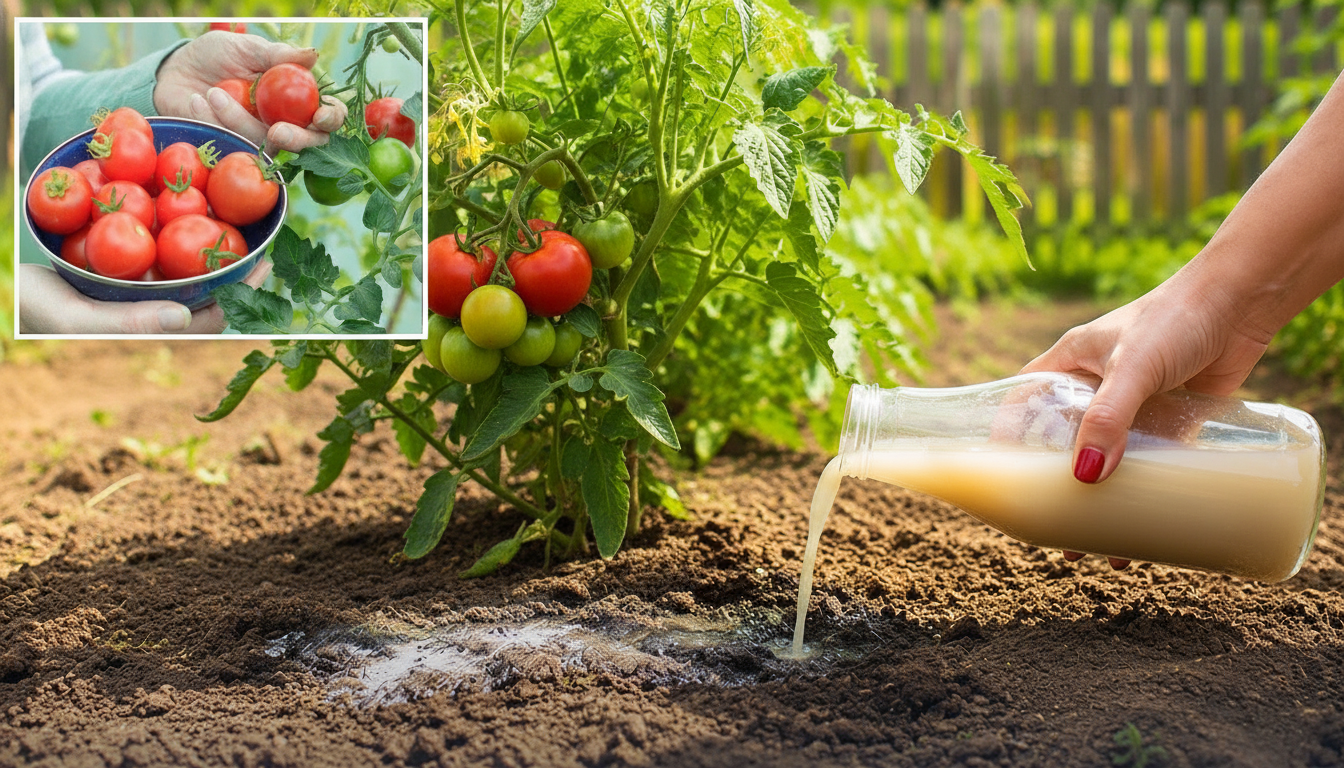
Spring Carrot Care: How to Fertilize for Strong Growth.

Caring for Carrots
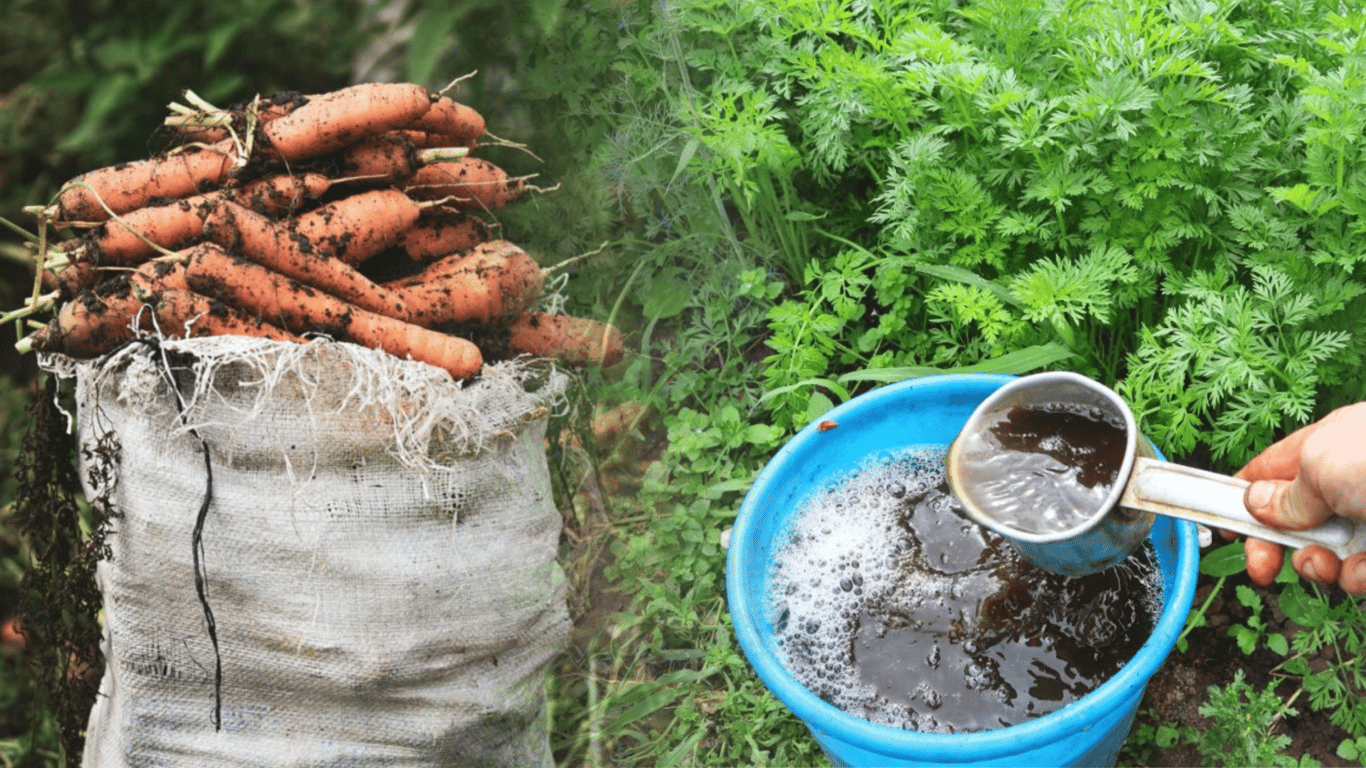
According to Novyny.live: Proper care is essential for growing carrots, and fertilization plays a key role in ensuring healthy plant development. The first spring feeding should be done when the plants have developed 3 to 4 true leaves. This stage is critical because carrots require extra nutrients and attention to support vigorous growth.
Essential Nutrients
Carrots need specific nutrients to thrive and produce high-quality roots. Key elements include:
- nitrogen
- phosphorus
- potassium
- boron
These nutrients help carrots grow actively and form strong, healthy roots. For instance, wood ash is a valuable source of potassium and trace minerals that strengthen plants naturally.
Among natural fertilizers, nettle infusion is known as an effective growth booster. This organic solution can significantly improve plant health by providing extra energy for development. Compost or well-rotted manure are also excellent spring fertilizer options, supplying plants with the nutrients they need.
Choosing the right fertilizers and applying them at the right time is key to getting a healthy, high-quality carrot harvest. Following recommended application guidelines ensures that crops have optimal conditions for growth.
Proper carrot care, including timely fertilization, is crucial for farming success. With shifting climate patterns and rising quality demands, growers must adopt these practices to boost yields and meet market needs. Eco-friendly methods like using wood ash and nettle infusion also support sustainable agriculture by reducing reliance on synthetic fertilizers.
Read also
- Blago Becomes Lead Partner of Lviv Fashion Week: What This Means for Ukrainian Designers
- From Johnson’s Memoir to the War of Tomorrow: 5 Must-Read Books Coming in 2026
- Forecaster Didenko Issues Weather Update for July 15: Where Rain Is Expected
- How to Choose a School Backpack: Key Factors for Your Child's Health and Comfort
- A Simple Recipe for Tomato Fertilizer Made from Yeast and Banana Peels
- Custom Door Signs Over Stock Options: How Office and Residential Navigation Is Evolving