Three Proven Methods for Sowing Echinacea to Achieve Lush Blooms.

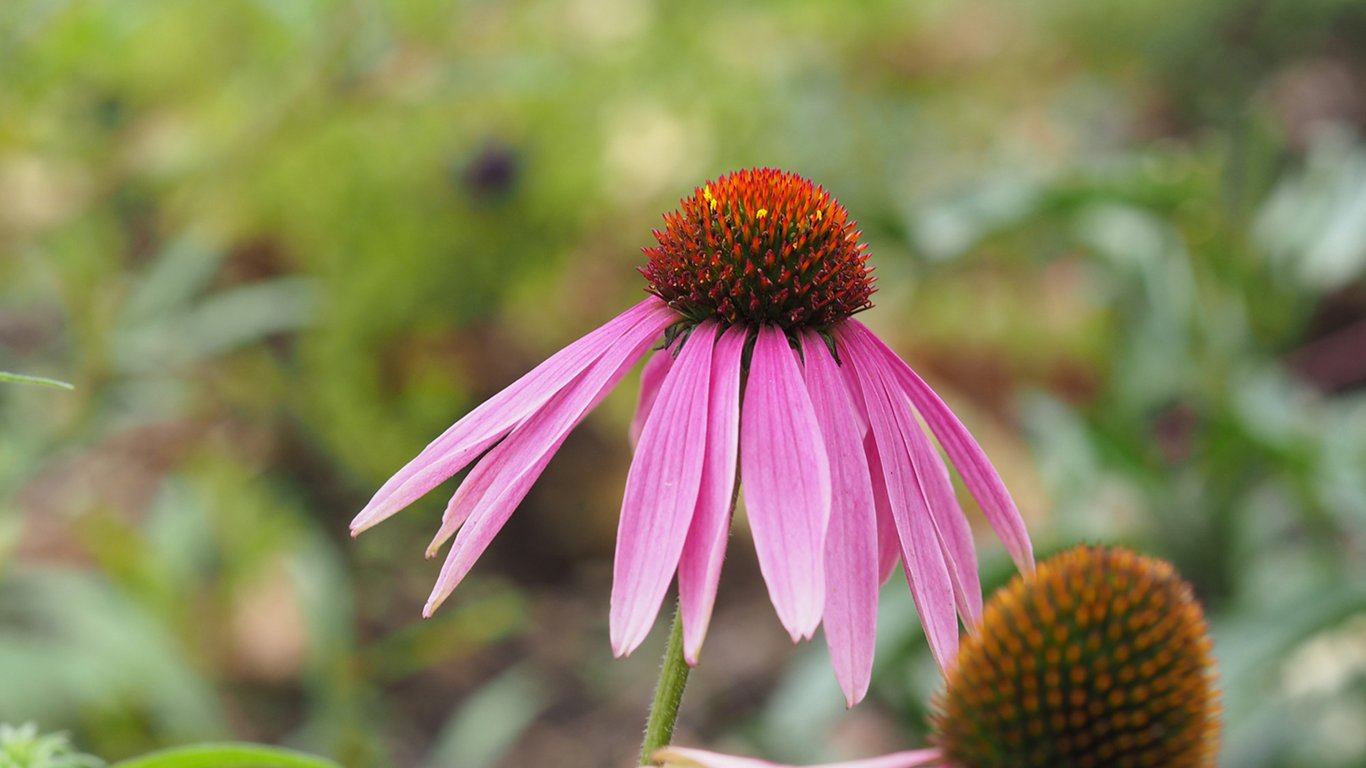
How to Grow Echinacea
According to Novyny.live: Echinacea is a popular plant that can be cultivated using several reliable techniques to ensure a successful outcome. Gardeners primarily rely on three key sowing methods:
- Starting seeds indoors for transplanting
- Direct sowing into the soil in spring
- Sowing seeds outdoors in late autumn
Each approach has distinct characteristics that influence the speed and quality of the plant's flowering.
Key Features of Each Growing Method
Starting seeds indoors is the best choice for those seeking the earliest possible blooms. Echinacea seeds are sown in a light, loose growing medium in late winter. This technique allows the seedlings to strengthen before being moved to the garden, which increases their resilience against environmental stresses.
Direct spring sowing is a straightforward, natural option. In this case, seeds are planted directly into the ground once the soil has warmed and the risk of frost has passed. This method suits gardeners who wish to minimize the time spent caring for seedlings indoors and simplify the cultivation process.
Late autumn sowing is considered the most effective way to mimic natural conditions. It takes place in late fall, when the soil is cool but not yet frozen. This approach allows the seeds to undergo a natural cold stratification cycle, which can positively impact their subsequent development.
For both the indoor and direct spring sowing methods, it is crucial to note that the seeds require cold stratification. This involves placing them in a refrigerator for 2-4 weeks prior to planting. This process creates the necessary conditions for germination and promotes stronger growth in young plants. The choice of which echinacea growing method to use depends on the gardener's preferences and the specific climatic conditions of their region.
Echinacea cultivation is favored by gardeners not only for its striking, daisy-like flowers but also for its reputed medicinal properties. Depending on the chosen sowing technique, gardeners can tailor their approach to local conditions to achieve the best possible results. This adaptability is particularly valuable for those planning commercial cultivation or designing vibrant garden displays.
Read also
- Blago Becomes Lead Partner of Lviv Fashion Week: What This Means for Ukrainian Designers
- From Johnson’s Memoir to the War of Tomorrow: 5 Must-Read Books Coming in 2026
- Forecaster Didenko Issues Weather Update for July 15: Where Rain Is Expected
- How to Choose a School Backpack: Key Factors for Your Child's Health and Comfort
- A Simple Recipe for Tomato Fertilizer Made from Yeast and Banana Peels
- Custom Door Signs Over Stock Options: How Office and Residential Navigation Is Evolving