Middle East Escalation Not a World War, Says Expert.

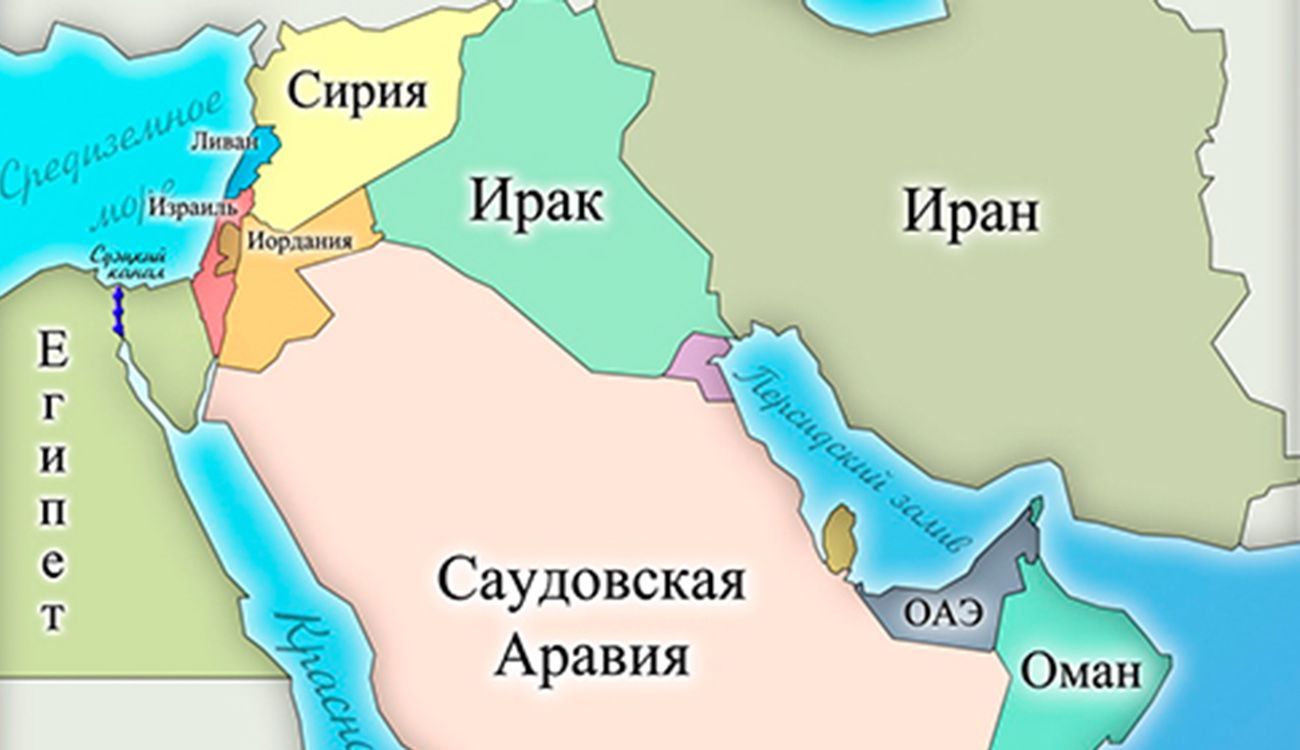
The Middle East Situation
According to UATV: According to expert Michael Borodkin, the escalating situation in the Middle East does not signal the start of a Third World War. He emphasizes that the current conflict is not a regional war, as countries are not uniting against Iran. Borodkin notes that the situation is being managed by the United States and Israel, while Iran is attempting to destabilize neighboring nations. The expert's analysis comes amid heightened global concern over the potential for a broader conflict.
US and Israeli Operations
On February 28, the United States launched a military operation against Iran, codenamed 'Epic Brightness'. Israel, in turn, is conducting its part of the operation under the name 'Roaring Lion'. The United Arab Emirates has threatened to freeze all Iranian assets in Dubai and Abu Dhabi. Amid this rising tension, the Pakistani navy has deployed to the region to protect shipping lanes. Concurrently, Iran continues to strike American military bases and infrastructure in neighboring Arab countries, including a strike that has already targeted Azerbaijan. These developments highlight the complex, multi-front nature of the current crisis.
Michael Borodkin believes it is 'far too premature' to speak of a Third World War. He also states:
"I don't know if you can call it a regional war when everyone is simply uniting against Iran."The expert stresses that these are attempts to provoke as much chaos as possible, in the hope that it will force the Americans to change their position. Borodkin adds that
"little by little, it is weakening. It hasn't started to crumble yet, but it is weakening."The expert also draws attention to the sentiments of the Iranian people, noting that 'the majority of the Iranian people are opposed to the current Iranian system.'
Given the increasing tension in the Middle East, it is crucial to consider that the situation could evolve in ways that either benefit or harm regional stability. The reactions of international players like the US, Israel, and other nations could significantly influence the course of events. The struggle for influence between major powers and local actors, such as Iran, continues to shape the dynamics of regional conflicts, requiring close attention from analysts and policymakers. For now, key factors remain the internal mood in Iran and the response of neighboring countries to the escalation of violence.
Read also
- Ukrainian Forces Strike Russian Radar Installation and Depots: Fresh Details Emerge
- Fierce Street Fighting in Kostiantynivka: Ukrainian Defense Forces Eliminate Russian Invaders
- Russian Supply Lines Crippled by Ukrainian Mid-Range Drones Striking 300 km from Front Lines
- Nearly 193,500 Russian Troops Eliminated by Ukrainian Drones: Strikes on Fleet and Crimea
- Ukraine’s First Warship Escapes Crimea: The Daring Breakout of SKR-112 to Odesa
- NATO Faces New Threats as Poland Warns Russia Is Using Captured Ukrainian Drones for Provocations