Elizabeth Debicki Movies - Best Roles and Notable Films of the Actress.

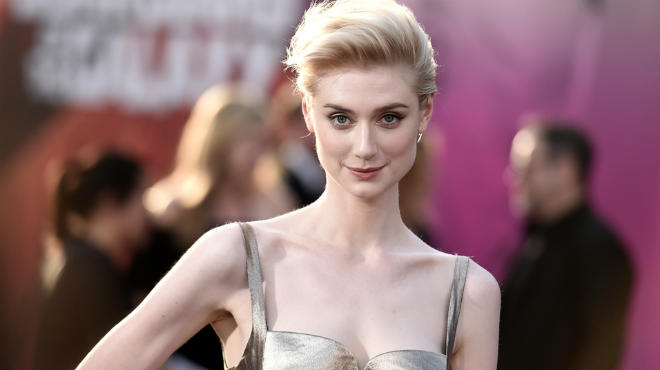
Elizabeth Debicki is an Australian actress of European descent who has firmly established herself in the global film industry thanks to her combination of intelligence, inner strength, and unusual screen presence.
She was born into a family of professional dancers, which shaped her sense of rhythm, plasticity, and discipline from an early age. Initially, Debicki planned to pursue a career in ballet; however, she later chose acting and received professional training in the theatrical field. Her career developed gradually: from supporting roles to complex dramatic characters in large international projects. The actress's feature is her ability to combine restraint with deep internal tension. Her heroines often find themselves in situations of moral choice, psychological pressure, or social inequality. Debicki does not play superficially - she is attentive to details, pauses, and intonations, which allows her to create multi-layered characters. That is why her roles are memorable even in those films where she is not the central figure of the plot.
Best Films Featuring Elizabeth Debicki
The actress's filmography covers a variety of genres - from science fiction and superhero movies to crime dramas and spy thrillers. In each of these genres, Debicki demonstrates the ability to organically blend into the atmosphere of the film while maintaining the individuality of her character. Her roles are often associated with images of women who find themselves in difficult circumstances and are forced to seek a way out of crisis situations. It is these works that have brought her widespread recognition and professional acclaim.
Tenet

The science fiction thriller "Tenet" tells the story of the struggle for the future of humanity through manipulations with time. The central idea of the film lies in inversion - the ability of objects and people to move against the usual flow of time. The main character tries to stop a disaster of global magnitude, but an important part of his mission becomes his acquaintance with Kat - the wife of an influential international criminal.
Debicki's character is a woman who lives under constant psychological pressure and control from her husband. She is forced to endure humiliation for the safety of her son. The actress convincingly shows the evolution of the character: from fear and helplessness to inner determination. Through Kat's personal drama, the plot gains emotional depth, as the struggle is not only for an abstract future but also for the right to freedom and dignity.
Guardians of the Galaxy Vol. 2
In the sci-fi blockbuster "Guardians of the Galaxy Vol. 2", Elizabeth Debicki appears as Ayesha - the high priestess of the Sovereign race, distinguished not only by external grandeur but also by her inner conviction of her own exceptionalism. The film continues the story of a team of space adventurers who, after their great victories, find themselves once again at the center of dangerous adventures. This time, they not only have to fight new enemies, but also unravel the truth about their origins, which changes their perception of themselves and their mission in the Universe.
Ayesha is a representative of a civilization that strives for genetic perfection and absolute order. Her people believe in their superiority and flawlessness, fostering a contemptuous attitude toward other races. This idea of exclusivity becomes the basis for the conflict between the Sovereigns and the Guardians. The image of Ayesha emphasizes the contrast between the living, chaotic energy of the team and the sterile, cold harmony of her world. She embodies a system where there is no room for mistakes, weaknesses, or emotional outbursts.
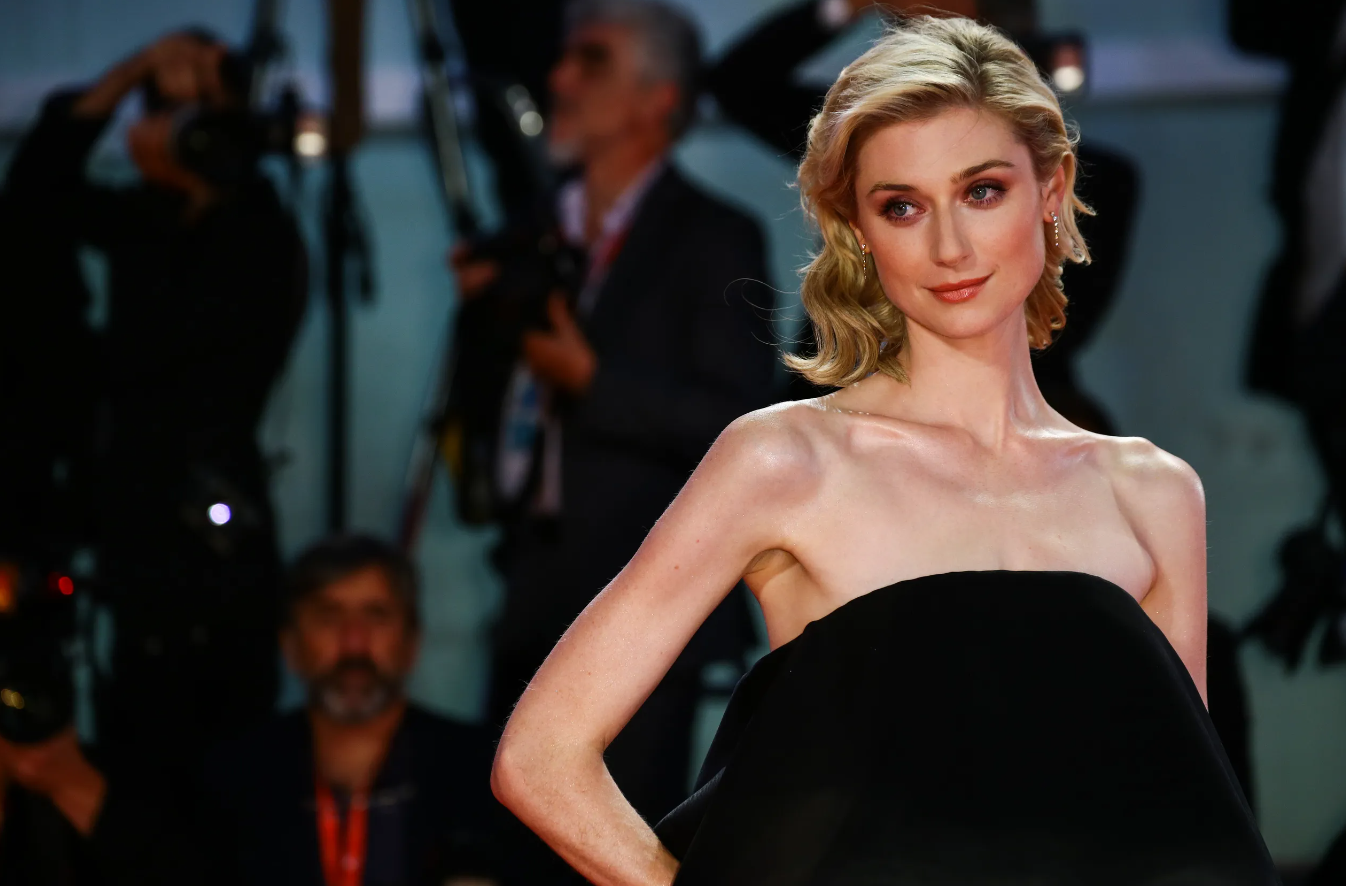
Debicki's character is the embodiment of cold calculation and haughty confidence. Ayesha does not allow herself impulsiveness; she thinks strategically and acts consistently. Her decisions are dictated not by feelings but by logic and a desire to restore the disrupted balance. After the conflict with the Guardians, she does not burst into emotions but methodically plans revenge, demonstrating patience and foresight. In her gaze is an icy certainty, and in her posture, undeniable power.
Elizabeth Debicki creates a vivid and recognizable image of a leader who hides her internal struggles behind a mask of flawless restraint. Her plasticity, voice timbre, and minimalist mimicry emphasize the alien nature of the character. She almost never raises her voice, does not show bright emotions, but it is this restraint that gives the heroine a special strength. Every appearance of Ayesha on screen adds a feeling of grandeur and potential threat to the film, expanding the boundaries of the story's universe and emphasizing that beyond the adventures of the main characters, there are powerful civilizations with their ambitions and plans.
Thanks to this image, the film gains an additional dimension: the confrontation becomes not only physical but also ideological. Ayesha symbolizes control and the desire for absolute perfection, while the Guardians represent acceptance of imperfection, friendship, and humanity. This contrast makes the plot more multi-layered and dramatically rich.
The Great Gatsby
The film adaptation of Francis Scott Fitzgerald's novel "The Great Gatsby" transports viewers into a glamorous yet tragic Jazz Age - a time of luxury, parties, and hidden illusions. In this atmospheric film, Elizabeth Debicki played the role of Jordan Baker - a professional golfer and socialite who organically fits into the world of New York elite of the 1920s. The plot revolves around the mysterious millionaire Jay Gatsby, obsessed with a woman from his past, for whom he creates an illusion of success and greatness around himself.
Jordan Baker, portrayed by Debicki, is a new type of woman for her time: independent, restrained, and ironic. She does not openly succumb to emotions as others do and often serves as a silent observer of events. Her heroine becomes part of the glamorous yet internally hollow environment where behind the facade of luxury lie disillusionment, loneliness, and unmet expectations. Jordan moves confidently and easily through this world but still maintains a certain distance.
The actress masterfully conveys the atmosphere of the time through her restrained playing style, posture, and intonations. Her plasticity recalls the elegance and cold sophistication of the Art Deco era. In Jordan's gaze, a slight fatigue from endless parties and ostentatious glamour can be read. She does not seek to be the center of attention, but her presence is always felt. Debicki emphasizes the contrast between the external brilliance of high society life and the inner emptiness that gradually reveals itself as the plot unfolds.
The image of Jordan Baker complements the overall picture of the story about the dream shattered by reality. Her restraint and subtle irony create a feeling that she understands better than others the fragility of this world. Through her character, the viewer feels the atmosphere of the era not only as a celebration of life but also as a delicate line between success and downfall. Thanks to such secondary yet deeply developed roles, the film gains volume and psychological credibility.
Widows
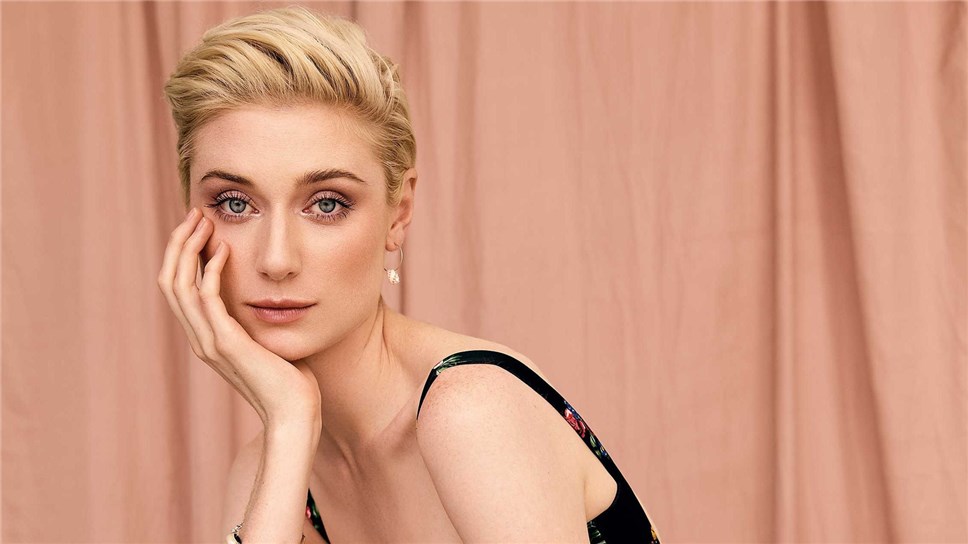
The crime drama "Widows" tells the story of women whose husbands died during a failed robbery. Left with debts and threats from the criminal world, they decide to complete the unfinished business themselves. The film combines a tense plot with social themes of inequality and power.
Debicki plays Alice - a woman who faces financial dependency and social pressure after her husband's death. Her heroine goes through a journey of inner transformation, gradually finding self-confidence. The actress details this transformation by changing her intonations, expressions, and even manner of movement.
The Man from U.N.C.L.E.
The events of the spy film "The Man from U.N.C.L.E." take place during the Cold War. American and Soviet agents are forced to cooperate to stop a dangerous international organization. Debicki plays Victoria Vinciguerra - a woman connected to a global conspiracy.
Her character is a cold-blooded and intelligent antagonist who masterfully manipulates people. She operates within her own logic and beliefs, which makes her not just a "villain" but a complex figure in the overall game. The actress adds sophistication and danger to the image, harmoniously fitting into the stylized atmosphere of the film.
The Night Manager
In the dramatic series "The Night Manager", the story unfolds of a spy operation against an international arms dealer. A former soldier agrees to work undercover to gather evidence against a criminal network. Debicki plays Jed - a woman who is close to the dangerous businessman.
Her heroine balances between fear, loyalty, and the desire to escape from a toxic environment. The actress conveys an internal conflict through restrained but emotionally rich playing. Jed is not a passive observer - she gradually realizes her responsibility and tries to change her situation. This psychological depth makes the role one of the strongest in Debicki's career.
The Crown
In the series "The Crown," Elizabeth Debicki embodied the image of Princess Diana during one of the most challenging periods of her life. The events unfold in the 1990s when the British monarchy was experiencing a serious crisis of trust. The plot shows not only the official duties of the royal family but also the deeply personal conflicts that occurred beyond the public space. Diana's storyline becomes central as it is through her story that the theme of the clash between traditions and a new era of media and public control unfolds.
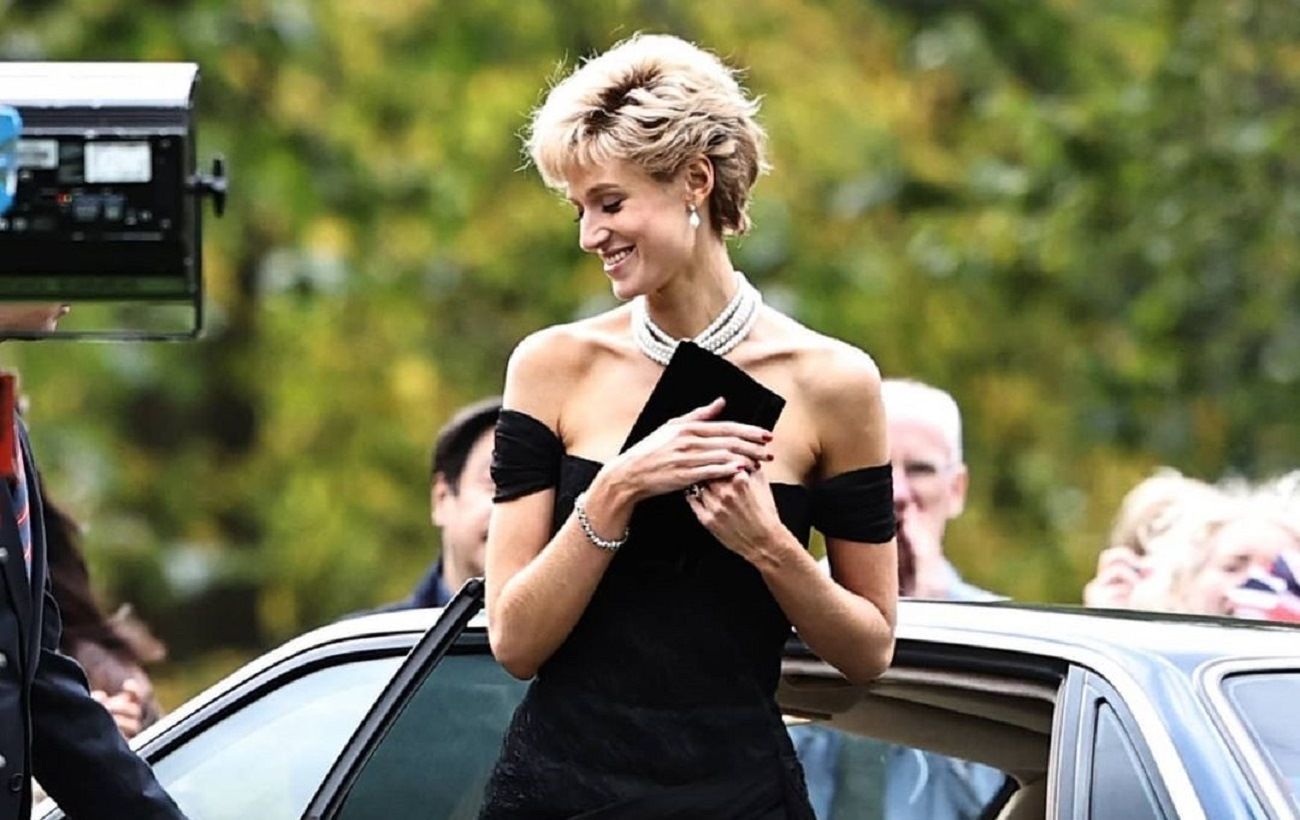
In Debicki's portrayal, Diana emerges not just as a symbol but as a woman with internal doubts, pain, and a desire to be heard. The plot thoroughly showcases her complicated relationship with Prince Charles, loneliness in the palace, and constant pressure from the press. The actress exceptionally accurately reproduces the princess's body language, her intonations, restrained smiles, and moments of emotional vulnerability. Particularly powerful are the scenes where Diana is left alone with her feelings - it is here that the psychological depth of the image is revealed.
The series does not idealize events but shows how public status can become a trap. Debicki demonstrates the internal conflict between obligation and personal happiness, between the desire to meet expectations and the pursuit of freedom. Her character gradually finds her own voice, engaging in charitable initiatives and openly speaking about issues that were previously silenced. Through this role, the actress created one of the most emotional portraits in contemporary television cinema.
Macbeth
In the film adaptation of the tragedy "Macbeth," Elizabeth Debicki appears as Lady Macduff - a character that embodies family comfort and humanity against the backdrop of bloody ambitions. The film's plot tells the story of Scottish general Macbeth, who, after a witch's prophecy, decides to seize the throne. Under the influence of ambition and his wife's convictions, he embarks on a path of crime, leading to a series of tragic events.
Lady Macduff, portrayed by Debicki, is a woman who senses the looming danger over her family. She does not participate in political intrigues but becomes a victim of the ruler's cruel choices. The actress gives her character sincerity and warmth, sharply contrasting with the dark atmosphere of the film. Through short but emotionally charged scenes, she conveys a mother's fear, anxiety, and helplessness before ruthless power.
The film's visual style - gloomy landscapes, misty plains, and cold colors - intensifies the tragedy of the story. Against this backdrop, the image of Lady Macduff becomes even more poignant. Debicki plays restrainedly, without unnecessary pathos, which makes her character particularly believable. Her involvement in this adaptation demonstrates her ability to work with classic material and subtly feel the dramaturgy of Shakespeare's text.
Peter Rabbit 2: The Runaway

In the family adventure comedy "Peter Rabbit 2: The Runaway," Elizabeth Debicki joined the project that continues the story of the famous troublemaker Peter and his friends. The plot takes viewers from the cozy countryside to the big city, where the heroes encounter new temptations and dangers. Peter, seeking to prove his independence, falls into the company of dubious characters, leading to a series of amusing yet educational situations.
The film blends live action with animated characters, creating a vivid and dynamic atmosphere. At the center of the story is the theme of growing up, responsibility, and realizing the consequences of one's decisions. The urban space is depicted as a place of opportunities but also challenges, where it is easy to lose one's bearings.
Debicki's involvement in this project demonstrates her ability to work in the light genre of family cinema. Her presence adds professional expressiveness and charisma to the film. Despite its entertaining character, the film carries a clear moral message: true strength lies not in rebellion but in taking responsibility for those you love. Thanks to the blend of humor, adventure, and sincere moments, the story remains engaging for both children and adult viewers.
Read also
- Zendaya Announces a Career Break: What Led the Actress to Step Back
- Olga Gorbachova and Yuriy Nikitin Split Again: What Happens to Their Daughters Now
- Dmytro Koliadenko Opens Up About His Son’s Wedding: The Best Celebration of His Life
- Kim Kardashian Mourns the Loss of Her Grandmother Mary Jo Shannon at Age 91
- Michael J. Fox Celebrates 38th Wedding Anniversary: Touching Words to His Wife Tracy Pollan
- Lindsay Lohan Shares Heartfelt Birthday Tribute to Her Son on His 3rd Birthday Alongside Husband