EU Adopts 16th Sanctions Package Against Russia: Here’s Who Is Targeted.

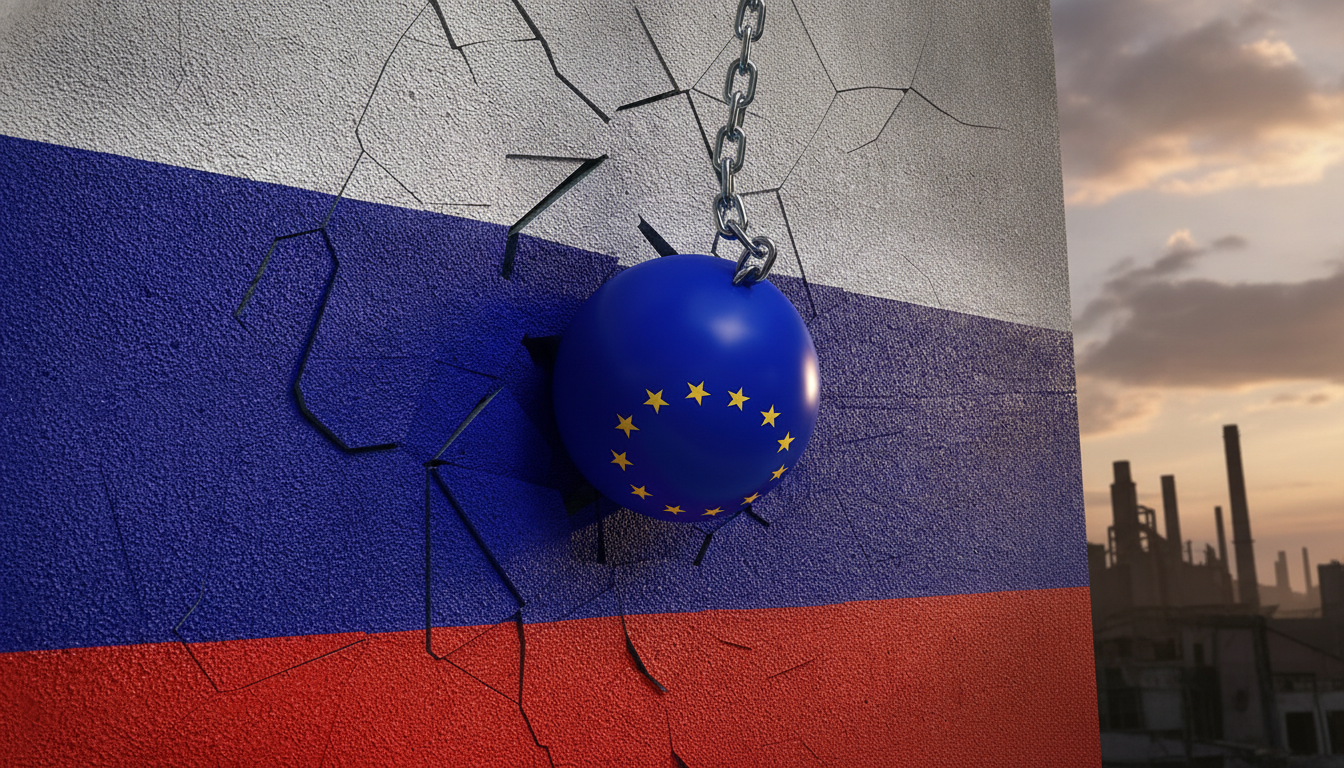
New Round of EU Sanctions on Russia
According to UATV: The Council of the European Union has approved a fresh set of sanctions aimed at crippling Russia’s military-industrial complex and cutting its revenue from energy exports. This latest package targets 34 individuals and 47 entities. Sweden’s Foreign Minister emphasized that energy exports remain Moscow’s primary income source, underscoring the severity of these new restrictions.
In addition, it has been reported that the 21st sanctions package is scheduled for adoption by July 15. Projections indicate that Russia’s energy revenues in January 2026 will drop by 50% compared to the same period in 2025. These measures are part of a broader strategy designed to weaken Russia’s financial capabilities. Andriy Sybiha, an expert in the field, stated that
“halting revenue from energy sales helps reduce Russia’s capacity to wage war”.
UK Military Interception Operation
A key development on the international stage involves British military forces intercepting a tanker carrying 600,000 barrels of oil. The vessel had 25 crew members on board. Tom Quinn, a participant in the operation, remarked:
“It is a great professional honor to be part of the first ship interception operation in British history”. These events unfold against the backdrop of approximately 150 vessels from Russia’s shadow fleet passing through the Baltic Sea each week, highlighting the scale of these covert maritime activities.
The newly adopted sanctions package by the EU Council represents a critical step in countering Russian aggression, as it directly targets key pillars of the country’s economy. According to Estonian Prime Minister Kaja Kallas, these measures
“strike at the very heart of Russia’s military-industrial complex”.
This latest round of sanctions reaffirms the EU’s consistent policy toward Russia and its determination to diminish Moscow’s economic leverage amid the ongoing conflict. Concurrently, the UK’s military actions reflect a broader international effort to enforce security in the region. These developments suggest growing coordination among Western nations in addressing Russian threats and striving to maintain stability across Europe.
Read also
- Patriot Missiles Needed Every Day, Zelenskyy Tells Finnish President During Washington Meeting
- Russia Denies New Mobilization Plans – Yet Recruitment Offices Step Up Issuance of Draft Orders
- US Senate Clears Path for Sanctions on Russian Oil Buyers – Now the Question Is Whether Trump Will Use Them
- Putin Misled Trump About Frontline Situation, U.S. President Now Believes
- Bipartisan US Senate Deal Imposes 500% Tariff on Russian Goods and 100% Levy on Top Oil Importers
- Number of Firms Subject to EU Sanctions on Russia to Jump 50% Under New Package





