Revenge Movies: The Best Stories of Retribution and Dramatic Struggle.


The theme of revenge is often found in cinema. It is always interesting, usually in the thriller genre. Overall, the best revenge movies can be both new and old.
Revenge movies have always had a special appeal for viewers. They are not just stories of violence or punishment — they unveil the deepest human emotions: pain, justice, loss, determination, and inner struggle.
The Best Revenge Movies
Such films allow us to see what a person is capable of when faced with injustice or betrayal, when they are stripped of what they hold most dear. From classic dramas to modern thrillers — revenge cinema covers a wide range of genres and plots, but always retains one common core: the struggle for justice, even when it comes at a price. The viewer does not just observe the events — they empathize, reflecting on the line between truth and sin, on whether revenge is justified at all. That is why such stories leave a deep mark in memory, causing us to return to them again.
The theme of revenge has served as the foundation for dozens of outstanding films that combine drama, thriller, and even philosophy. In global cinema, such plots have always evoked strong emotions, for the heroes are not just avengers but individuals with broken destinies seeking moral justification for their actions. Among the most notable films are "Gladiator" with Russell Crowe, where the hero fights not only for honor but for the memory of his family; "Kill Bill" by Quentin Tarantino — a cult story about female strength and resilience; "Parkland", "Revenge", or "Munich", which show both the political and personal sides of revenge. In each of these stories, the heroes face a moral choice — can revenge bring peace or does it only spawn a new cycle of pain? Such films not only keep us on the edge of our seats but also reveal deep questions about human nature, demonstrating that justice does not always have simple answers.
Revenge

The film "Revenge" (Revenge, 2017) is a vivid example of how modern cinema can reinterpret the classical theme of retribution. The main character, after a brutal attack, miraculously survives and begins a struggle not only for her life but for her dignity. This film is distinct in its stylistics — vibrant colors, contrasting shots, frank scenes, and energetic dynamics. It does not merely showcase violence; it illustrates the evolution of a woman who transforms from a defenseless victim into a symbol of inner strength. Director Corinne Faria creates a feminist parable where revenge becomes an act of self-affirmation and a fight against those who sought to deprive the protagonist of her right to life. The film received critical acclaim for its visual presentation, musical accompaniment, and psychological depth, as behind the gripping tension lies a powerful message — never underestimate those you consider weak.
The Revenant
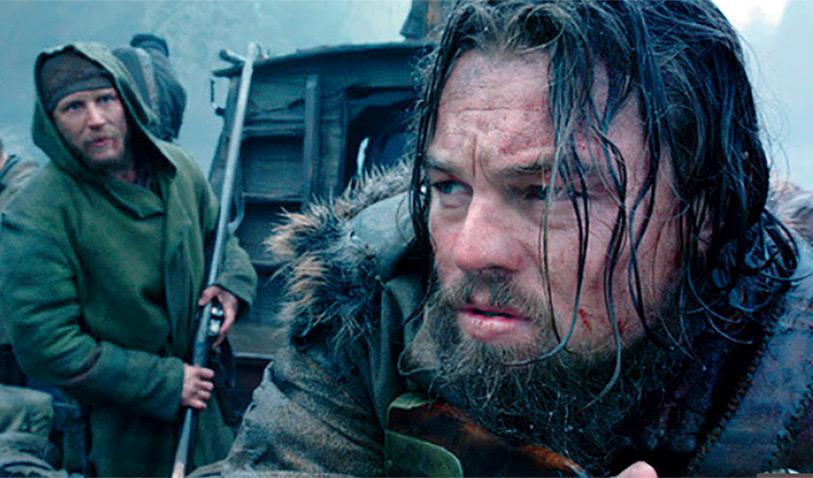
'The Revenant' (The Revenant, 2015) is one of the strongest films about survival, pain, and revenge, which earned Leonardo DiCaprio his first "Oscar". The film is based on real events and tells the story of hunter Hugh Glass, who, after a bear attack, is left for dead in the wilderness. His companions betray him, taking everything and leaving him to fend for himself. However, the hero does not give up — he battles cold, hunger, predators, and his own body to survive and take revenge for the betrayal. The story is filled not only with physical pain but also with spiritual anguish — Glass is driven not by blind anger but by a desire to restore justice and dignity. Director Alejandro González Iñárritu has created an epic story of human strength and indomitable spirit. In the film, nature plays not just a backdrop but a living force that tests a person to their limits. It is not only a tale of retribution but also of profound inner transformation, where the hero, overcoming death, finds the true meaning of life.
Cold Pursuit

"Cold Pursuit" (Cold Pursuit, 2019) starring Liam Neeson is a black comedy with elements of crime thriller, where the story of revenge is presented with an unexpected ironic undertone. The main character, a humble snowplow driver, learns about the death of his son at the hands of drug dealers and decides to take matters into his own hands to dismantle the criminal organization. Initially, his revenge seems straightforward — to kill the guilty, but gradually the situation evolves into a full-blown war between two clans. This film stands out for its combination of brutality and humor, depth and absurdity. Liam Neeson creates the image of an ordinary man who is not a superhero but possesses unwavering will and cold determination. His revenge is devoid of pathos — it is methodical, almost mundane retribution that only highlights the tragic absurdity of violence. The film illustrates how the desire for revenge can become a trap where meaning is lost, and the avenger gradually turns into that which they oppose.
Revenge Couture

"Revenge Couture" (The Dressmaker, 2015) is an elegant, emotional, and visually stunning story, where the theme of retribution is intertwined with art and style. Starring Kate Winslet as Tilly, a talented dressmaker returning to her hometown after years of exile. Once unjustly accused of a crime, she now intends to prove her truth. Her revenge is not bloody, but delicate. Through fashion, beauty, and confidence, she transforms the lives of everyone in the town, exposing the hypocrisy and envy of its residents. The film beautifully combines drama, comedy, and even melodrama, showing that revenge can take many forms — sometimes the most powerful weapon is success and dignity. "Revenge Couture" received positive reviews for its atmosphere, visual aesthetics, and deep emotional undercurrents that reveal the complicated relationships between forgiveness and punishment.
True Grit

"True Grit" (True Grit, 2010) is a western by the Coen brothers that elevates the theme of revenge to the level of moral testing. A young girl, Mattie Ross, embarks on a dangerous journey to find her father's murderer. She hires aging Sheriff Rooster Cogburn (played by Jeff Bridges) and together they venture into a world of violence, brutality, and moral choices. The film impresses not only with its historical accuracy but also its emotional depth — revenge here is not merely an end but a means of finding inner peace and maturity. Mattie does not become a ruthless avenger; rather, she goes through pain to comprehend the true price of justice. This is a story about willpower, faith in one's ideals, and unbreakable character. The film shows that true grit lies not only in the ability to shoot or fight, but in the capacity to remain human even when one's heart is filled with rage.
Law Abiding Citizen

"Law Abiding Citizen" (Law Abiding Citizen, 2009) is a tense thriller featuring Gerard Butler, which masterfully unravels the theme of personal revenge against the system. The main character, Clyde Shelton, loses his wife and daughter due to a brutal crime, but the justice system releases the guilty through plea deals with the prosecutor. He then decides to take matters into his own hands. His revenge is not chaotic — it is a meticulously calculated strategy aimed not just at the criminals but at the very judicial system that allowed for injustice. Butler embodies the image of a man whose pain and disappointment transform into icy logic. This film not only keeps the audience on edge but also provokes thought: what is the boundary between justice and vigilantism? Can a system that does not work ever be justified? "Law Abiding Citizen" is a story that underscores how anger and despair can become weaponry, yet at the same time destroy the user.
Fury
The film "Fury" is an intense cinematic tale of emotional outburst when a person, broken by persecution and humiliation, decides to regain control over their life through retribution. At the center of the plot typically lies a character who has experienced loss or injustice, and their transformation from a passive victim into an active avenger occurs gradually, under pressure from the circumstances. A crucial trait of such films is not so much the act of violence itself, but its motivation: the audience sees the inner fire of the hero, their moral dilemmas, and the desperate need to restore justice.
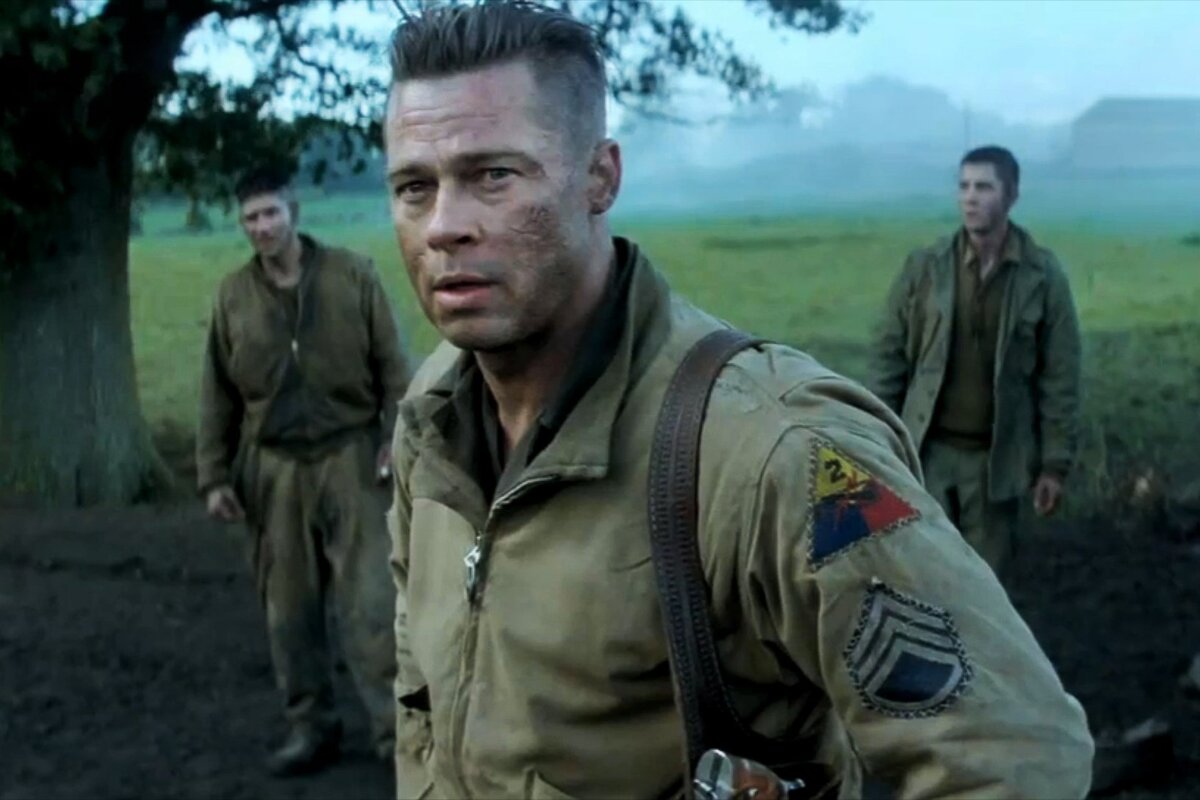
The directorial presentation in "Fury" often relies on contrast — calm before the storm, commonplace before catastrophe, serene shots that abruptly shift to vigorous violence. This allows for emotional empathy with the hero, as we observe what led them to the extreme step. Visually, the film may employ shades of red, dark shadows, and close-ups of faces to emphasize the character's inner state. The soundtrack heightens tension — rhythmic beats, minimalist melodies, and unexpected moments of silence.
The theme of "Fury" forces the viewer to reflect on the limits of acceptability: is every act of revenge justified, or does it merely multiply suffering? Many films of this kind end not triumphantly but tragically: the avenger achieves their goal yet loses a part of themselves; or realizes that revenge does not return what has been lost. Therefore, "Fury" is not merely about action and drama, but about the philosophy of justice, responsibility, and human nature.
22 Bullets: The Immortal
"22 Bullets: The Immortal" (also known as "22 Bullets" / "L'Immortel") is a prime example of a European crime thriller with a clear revenge theme at its core. The story often centers around a gangster who survives a brutal attack: twenty-two bullets meant to kill him, yet he remains alive. Such a plot provides a perfect platform for revealing the hero's inner transformation: from a man corrupted by power to one who feels vulnerability and desires to change their life, and when the system does not provide peace — to exact revenge.
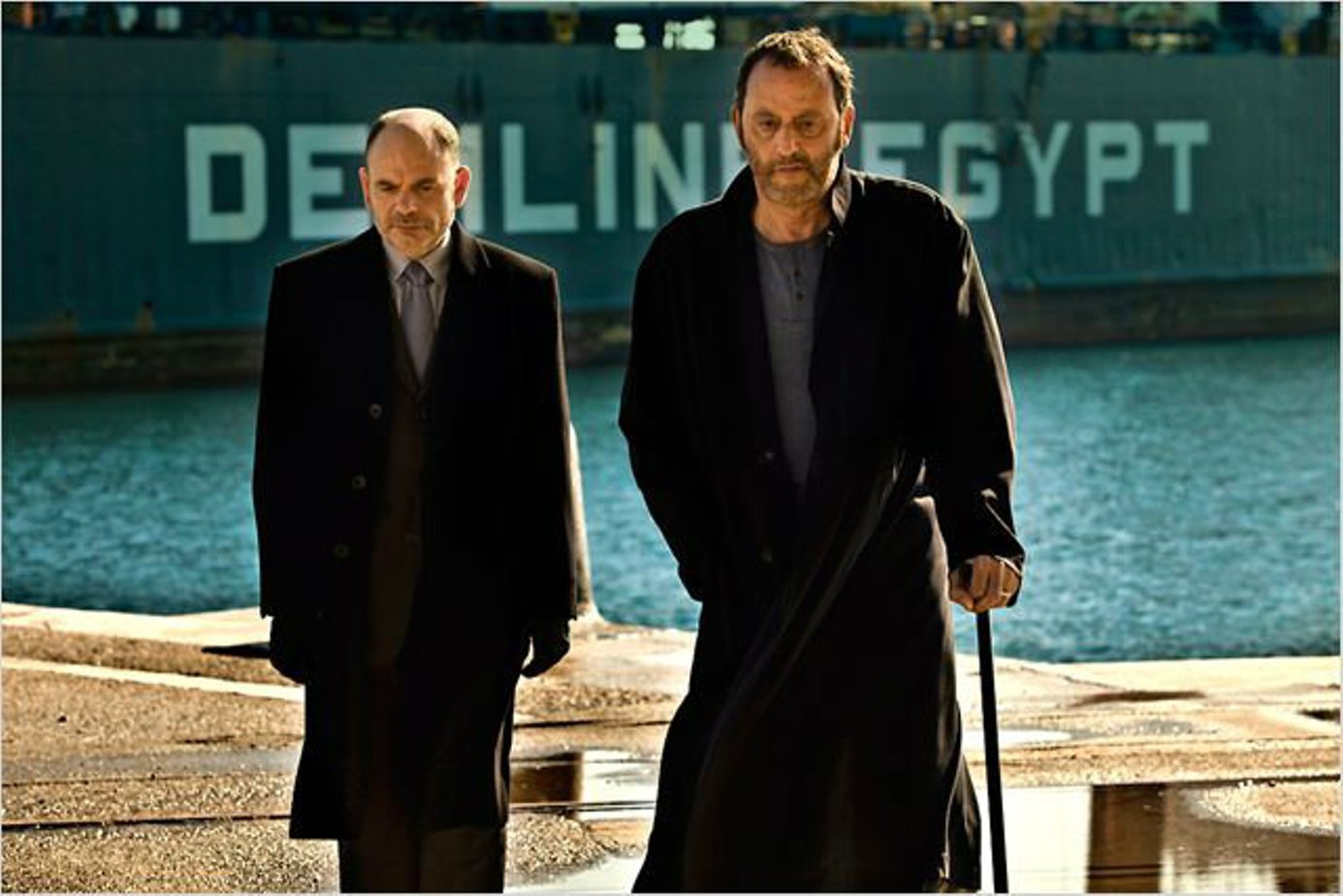
The film stands out for its gripping style: grim urban landscapes, the heavy ordinariness of the criminal world, and sudden bursts of violence. The acting is usually restrained yet emotionally charged: the hero acts coolly, but pain and a desire to restore dignity are visible in his eyes. The director might play with chronology: flashbacks explain motivation, while contemporary scenes depict the consequences of choices.
The uniqueness of "22 Bullets" lies not just in its brutality but in its human dimension. It frequently raises the question: can one change their past? And if revenge seems a logical solution, does it not become a trap where the meaning of life is lost? The film emphasizes that even in a world ruled by violence, moments of humanity exist: friendship, old promises, family values that drive the hero's return to fight.
John Wick
"John Wick" has set a new standard for 21st-century action cinema, blending choreographed fights, stylized visuals, and an archetypal revenge narrative. The central idea is simple yet powerful: a hero, who has lost everything, honors memory and honor through retribution. In John Wick's case — it is the tragic loss of his personal world due to the murder of his dog and the theft of his car, which initiates an inevitable pursuit. However, the film embodies revenge as a practice of clear rules: the world of underground hitmen has its own laws, and violation leads to catastrophe.
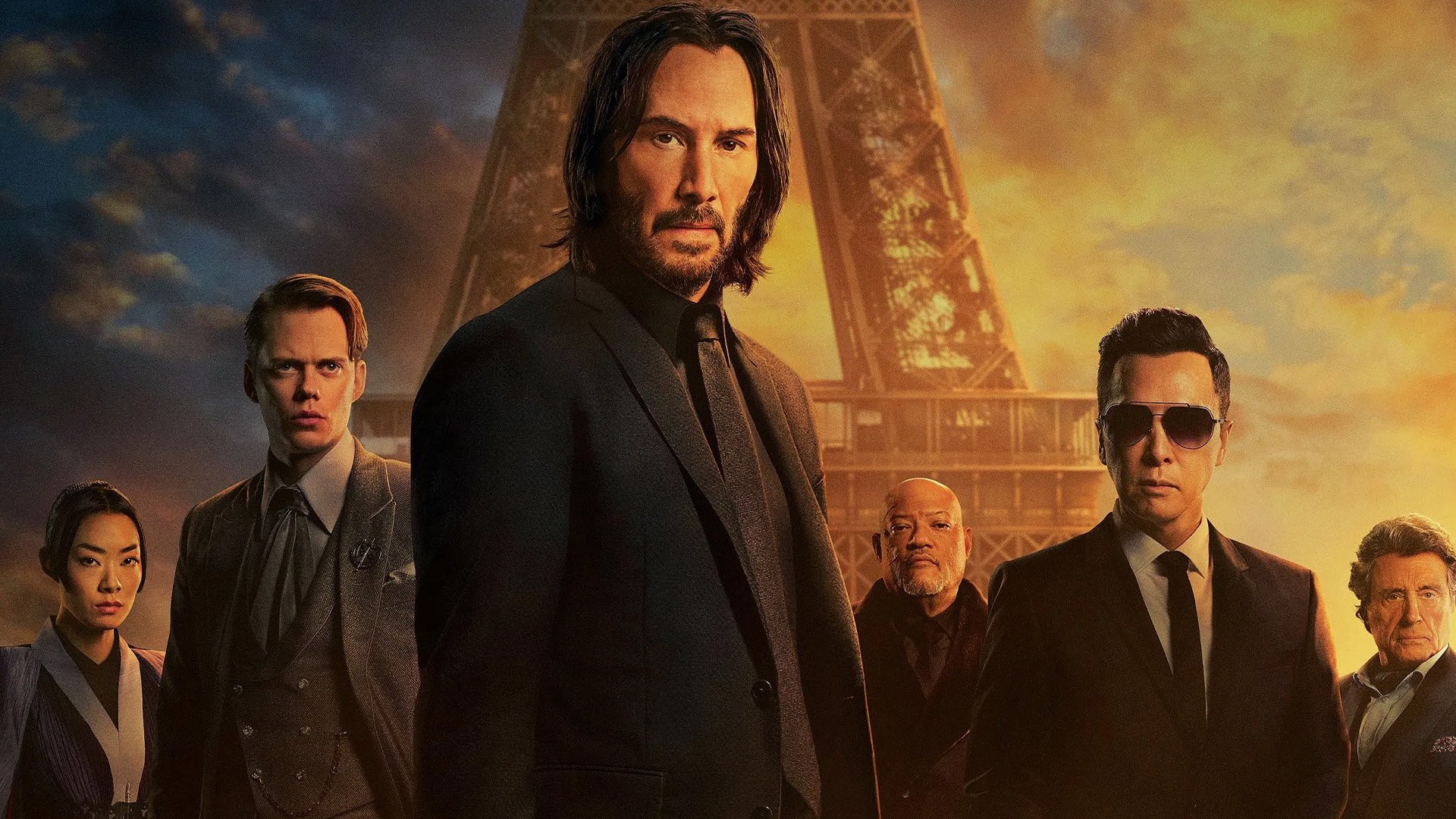
Stylistically, "John Wick" is a ballet of slick shots and choreographed combat. The camera follows the movement, often using long takes to emphasize the hero's skill and endurance. Emotionally, the character is portrayed through silence and minimalism: words are infrequent, but each gesture is loaded with meaning. The idea of revenge here is not just personal; it opens an entire underground world where honor and contracts come at a price.
The film has also become a cultural phenomenon due to the creation of a unique myth around its character: John Wick is not just a killer but a symbol of inevitability. He does not seek glory, nor does he need messianic quests; his motivation is personal restoration of justice. This makes the story universal and captivating: the viewer grasps a simple truth — when a person loses their sense of life, revenge can become the last act of survival.
Kill Bill
«Kill Bill» by Quentin Tarantino is an epic synthesis work that combines elements of samurai drama, western, spaghetti western, and kung fu action. It tells the story of a woman who was attempted to be killed during a ceremony and who, finding herself in a coma, returns to systematically exact revenge on those involved. Here, revenge takes the form of a palimpsest ritual: each encounter is a scene of restoring a piece of the lost "self" and reclaiming honor.
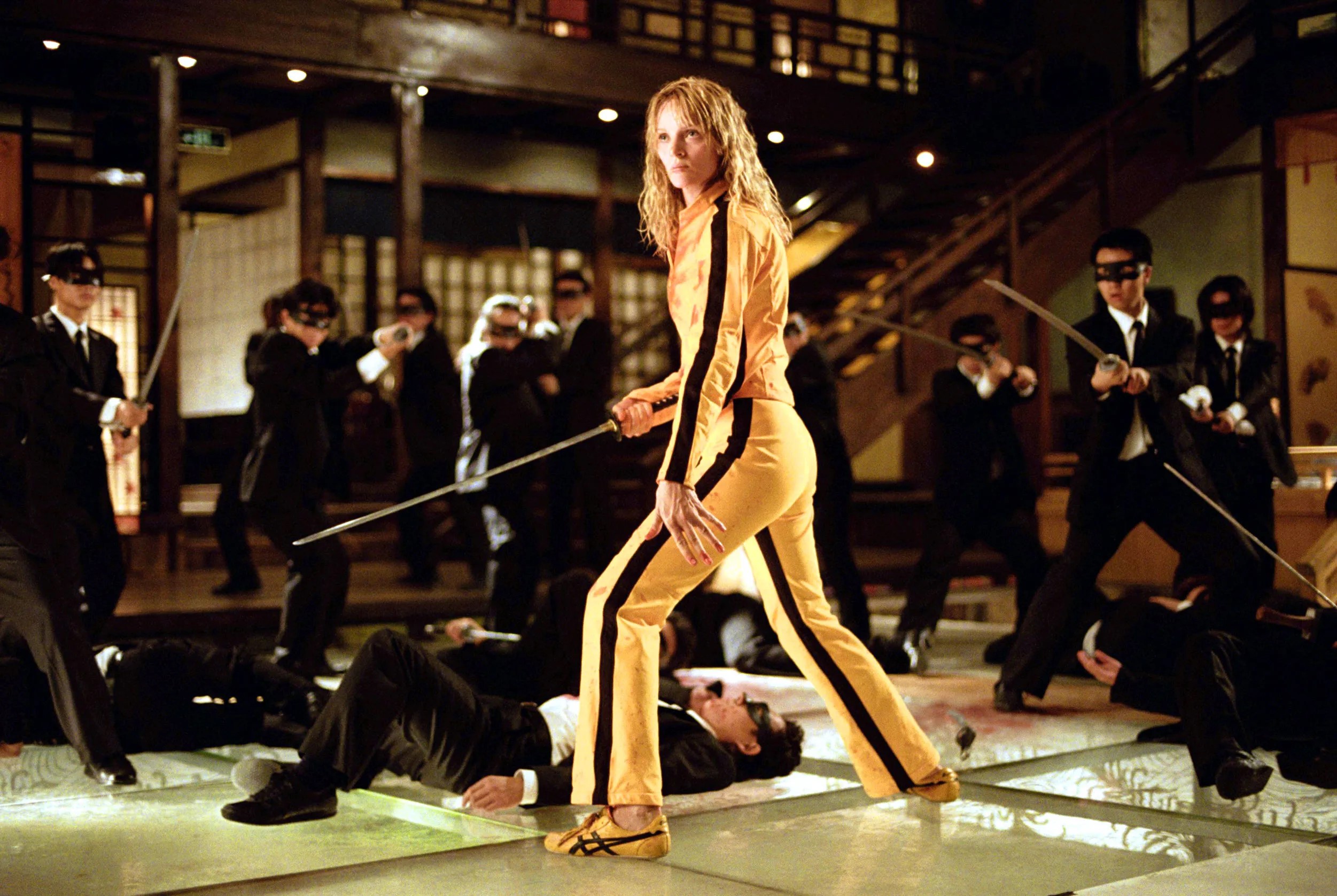
Tarantino turns revenge into a celebration of cinema: the director allows himself to play with genres, hopping from dark violence to stylized, almost caricatured episodes. Music, editing transitions, and didactic flashbacks create a unique mood wherein revenge is not just real but theatricalized. The main heroine is a strong and complex character: her movements are cold, her training is severe, and her determination absolute.
On a philosophical level, "Kill Bill" examines revenge as an act of personal transformation. Every killer that the heroine defeats represents an encounter with a part of her past, a test of her moral values. Tarantino provides no simple answers: after the final act of retribution, the question remains — has she found peace, or has she only remained empty? This ambiguity makes the film significant: revenge here not only concludes the story but raises new questions about the price of restoration and human capability for forgiveness.
Read also
- Zendaya Announces a Career Break: What Led the Actress to Step Back
- Olga Gorbachova and Yuriy Nikitin Split Again: What Happens to Their Daughters Now
- Dmytro Koliadenko Opens Up About His Son’s Wedding: The Best Celebration of His Life
- Kim Kardashian Mourns the Loss of Her Grandmother Mary Jo Shannon at Age 91
- Michael J. Fox Celebrates 38th Wedding Anniversary: Touching Words to His Wife Tracy Pollan
- Lindsay Lohan Shares Heartfelt Birthday Tribute to Her Son on His 3rd Birthday Alongside Husband