Films about psychiatric hospitals: thrillers, horrors, and dramas about mental health and fear.

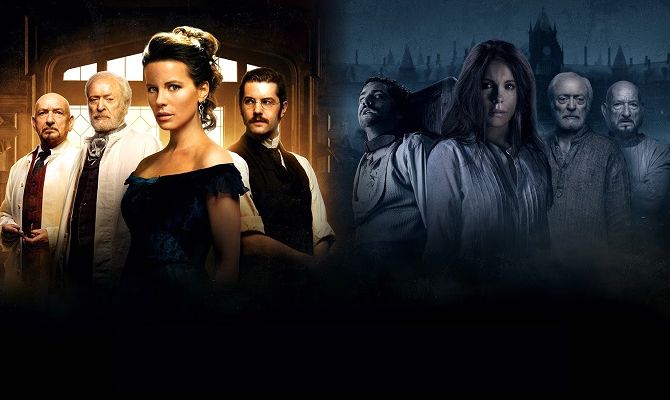
Films about psychiatric hospitals have long become a distinct and recognizable genre in cinema. They combine elements of thriller, horror, and psychological drama, exploring the boundary between sanity and madness, reality and illusion. Such films often make the viewer question everything they see, as events can be both objective reality and manifestations of the characters' troubled consciousness.
In cinema, the psychiatric hospital is almost always not just a setting but a symbol - a confined space where a person confronts their fears, traumas, and hidden states of mind. That is why such films often evoke a strong emotional response and linger in memory.
At the center of such plots are usually doctors, patients, or outsiders who find themselves inside a system where it is difficult to distinguish truth from fiction. The atmosphere of isolation, control, and uncertainty creates an ideal backdrop for the development of a tense narrative.
Top 7 best films about psychiatric hospitals
Among the many films dedicated to the theme of mental health, several cult films stand out that have become classics of the genre. They combine strong dramaturgy, psychological depth, and elements of thriller or horror.
The most famous include:
-
One Flew Over the Cuckoo’s Nest;
-
Shutter Island;
-
The Shining;
-
The Silence of the Lambs.
These films approach the topic of psychiatry in different ways: some depict the system from the inside, while others focus on psychological breakdown or the boundary between normality and madness.
One Flew Over the Cuckoo’s Nest
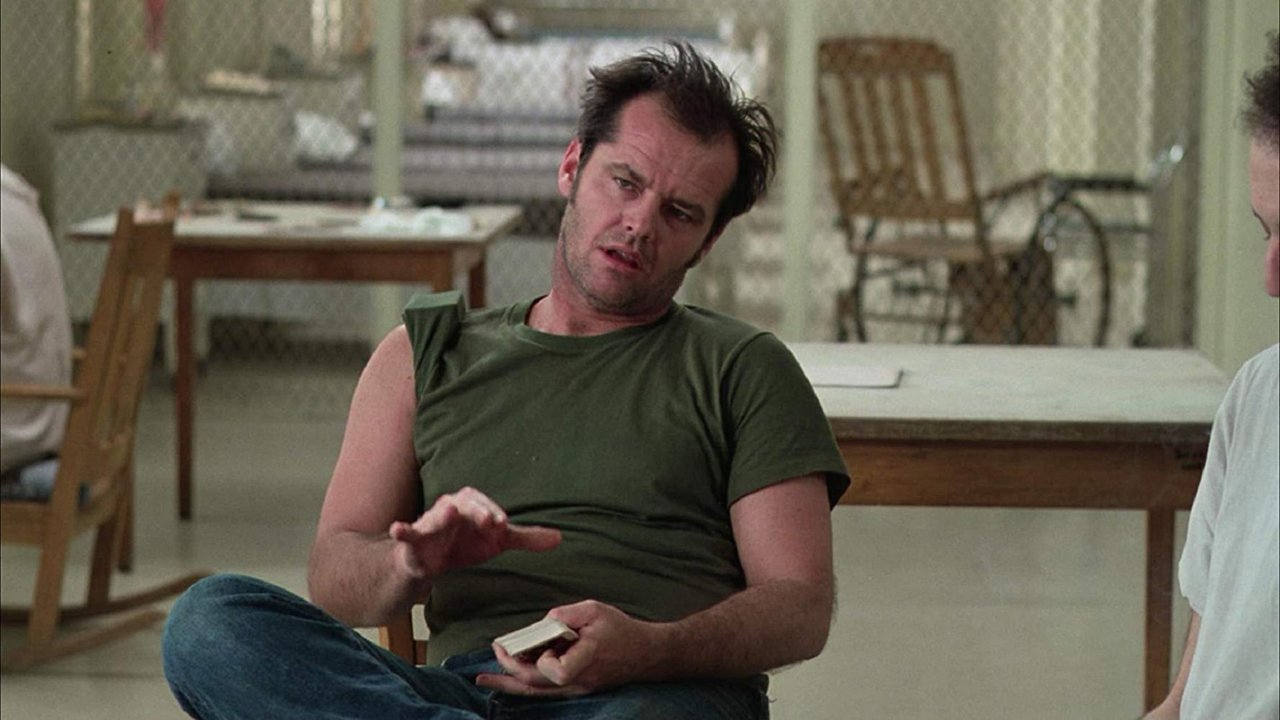
One Flew Over the Cuckoo’s Nest is one of the most famous films about a psychiatric hospital, showing the lives of patients in a closed institution.
The main character ends up in the hospital while trying to avoid prison but eventually confronts a harsh system of control and discipline. The hospital staff embodies authoritarian power that suppresses the individuality of the patients.
The film deeply explores the theme of freedom and individuality. Patients are portrayed as living individuals with emotions, fears, and hopes, not just as “diagnoses.” This makes the film particularly emotional and socially significant.
Shutter Island
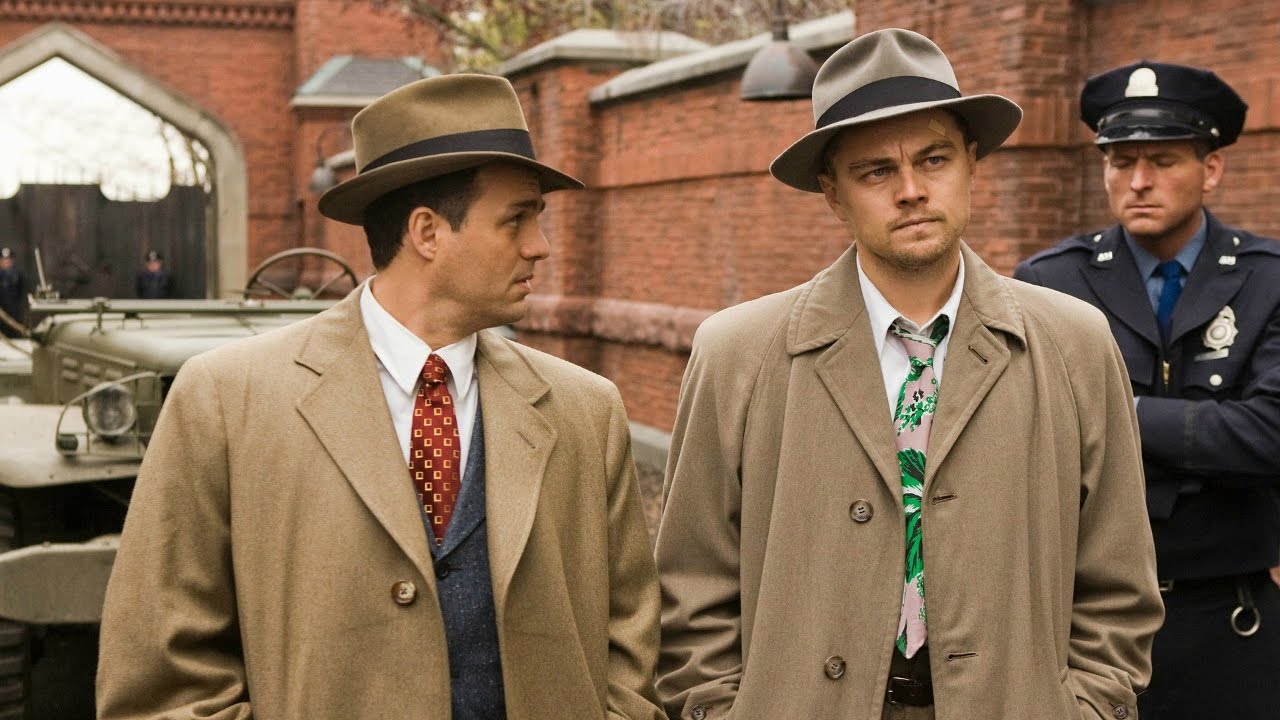
Shutter Island is a psychological thriller set on an isolated island where a psychiatric hospital for dangerous criminals is located.
The main character arrives to investigate the disappearance of a patient but gradually begins to lose confidence in his perception of reality. The atmosphere of the film is built on constant tension and a sense of deception.
Each scene adds new doubts, and the audience, along with the protagonist, tries to understand what is truth and what is illusion. The ending alters the perception of the entire story and questions the very nature of reality.
The Shining
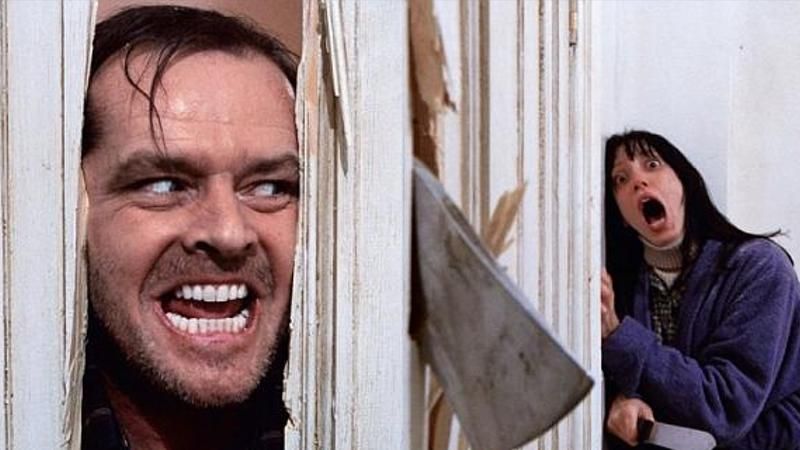
The Shining is a cult horror film that, while not completely focused on a psychiatric hospital, deeply explores the theme of mental disorder and isolation.
The story tells of a family that ends up in a remote hotel, where the main character slowly loses control over his psyche. Loneliness, confined space, and supernatural elements create an atmosphere of constant fear.
The film shows how isolation can affect a person's consciousness, amplifying their inner fears and aggression. The visual style and symbolism make the film one of the most influential in the psychological horror genre.
The Silence of the Lambs

The Silence of the Lambs is a psychological thriller that partly touches on the topic of psychiatric institutions through the image of Hannibal Lecter.
At the center of the plot is the investigation of a series of crimes, for which a young agent turns to an imprisoned psychiatrist-killer. Their conversations become the key to understanding both the criminal and the heroine herself.
The film shows how the thin line between normality and pathology can become blurred. Lecter, despite his cruelty, appears as an extraordinarily intellectual character, adding complexity and tension to the plot.
This film combines elements of detective, psychological drama, and thriller, creating one of the strongest portrayals in cinema related to psychiatric themes.
Girl, Interrupted

The film Girl, Interrupted is one of the most famous psychological dramas that reveals the lives of patients in a psychiatric hospital in the late 1960s.
The plot centers on a young girl who ends up in a closed medical facility after an emotional crisis. There she meets other patients, each with their own story, diagnosis, and way of perceiving reality.
The film shows not only the medical side of treatment but also the internal world of people who find themselves in a state of psychological instability. Through the interactions of the heroines, themes of friendship, dependence, fear, and self-discovery unfold.
The atmosphere of the film is quite tense but not built on horror - the main focus is on emotions and internal experiences. The viewer gradually immerses into a world where the boundary between normality and deviation becomes very conditional.
The film also raises questions about the diagnosis of mental states and how society defines “normality.”
Gothika

Gothika is a mystical psychological thriller that combines elements of crime investigation and the supernatural.
The main heroine is a psychiatrist working in a women’s psychiatric hospital. After mysterious events occur, she finds herself among the patients of this institution, not understanding what happened and why she is accused of a crime.
The film is built on a constant feeling of uncertainty. The viewer, along with the heroine, tries to figure out where reality is and where hallucinations or supernatural phenomena are.
The atmosphere of the film is dark, tense, and filled with psychological pressure. Closed hospital corridors, isolation, and a sense of losing control over one's life play an essential role.
This film is often regarded as an example of combining psychological thrills with elements of mysticism, where the main intrigue is maintained until the very end.
A Cure for Wellness
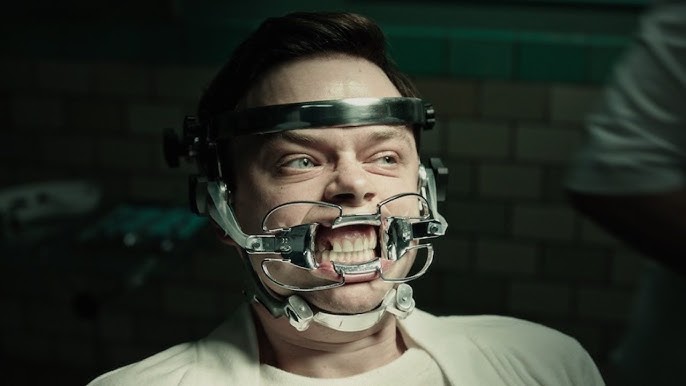
Shutter Island is sometimes also mentioned in the context of this topic as a film that explores mental disorders, although a more direct example is the film A Cure for Wellness, which combines psychological thriller and gothic horror.
The events unfold around a young employee who ends up in an isolated wellness center in the Alps. On the outside, this place looks like a modern sanatorium, but it gradually becomes clear that strange and disturbing experiments are hidden behind its walls.
The hero begins to investigate what’s happening and himself falls into the trap of a system where people lose their own will and consciousness. The film's atmosphere is built on a slow buildup of tension, a feeling of claustrophobia, and constant surveillance.
The motives of “treatment” here take on a sinister meaning - instead of helping people, control and subjugation are proposed. This creates a deep allegory on the theme of manipulating consciousness and the boundary between healing and breaking down personality.
The film stands out for its visual style: cold colors, symmetrical spaces, and a sense of sterility underscore the artificiality and danger of this place.
Read also
- Zendaya Announces a Career Break: What Led the Actress to Step Back
- Olga Gorbachova and Yuriy Nikitin Split Again: What Happens to Their Daughters Now
- Dmytro Koliadenko Opens Up About His Son’s Wedding: The Best Celebration of His Life
- Kim Kardashian Mourns the Loss of Her Grandmother Mary Jo Shannon at Age 91
- Michael J. Fox Celebrates 38th Wedding Anniversary: Touching Words to His Wife Tracy Pollan
- Lindsay Lohan Shares Heartfelt Birthday Tribute to Her Son on His 3rd Birthday Alongside Husband