Films with Benicio Del Toro: Best Roles and Iconic Movies of the Actor.

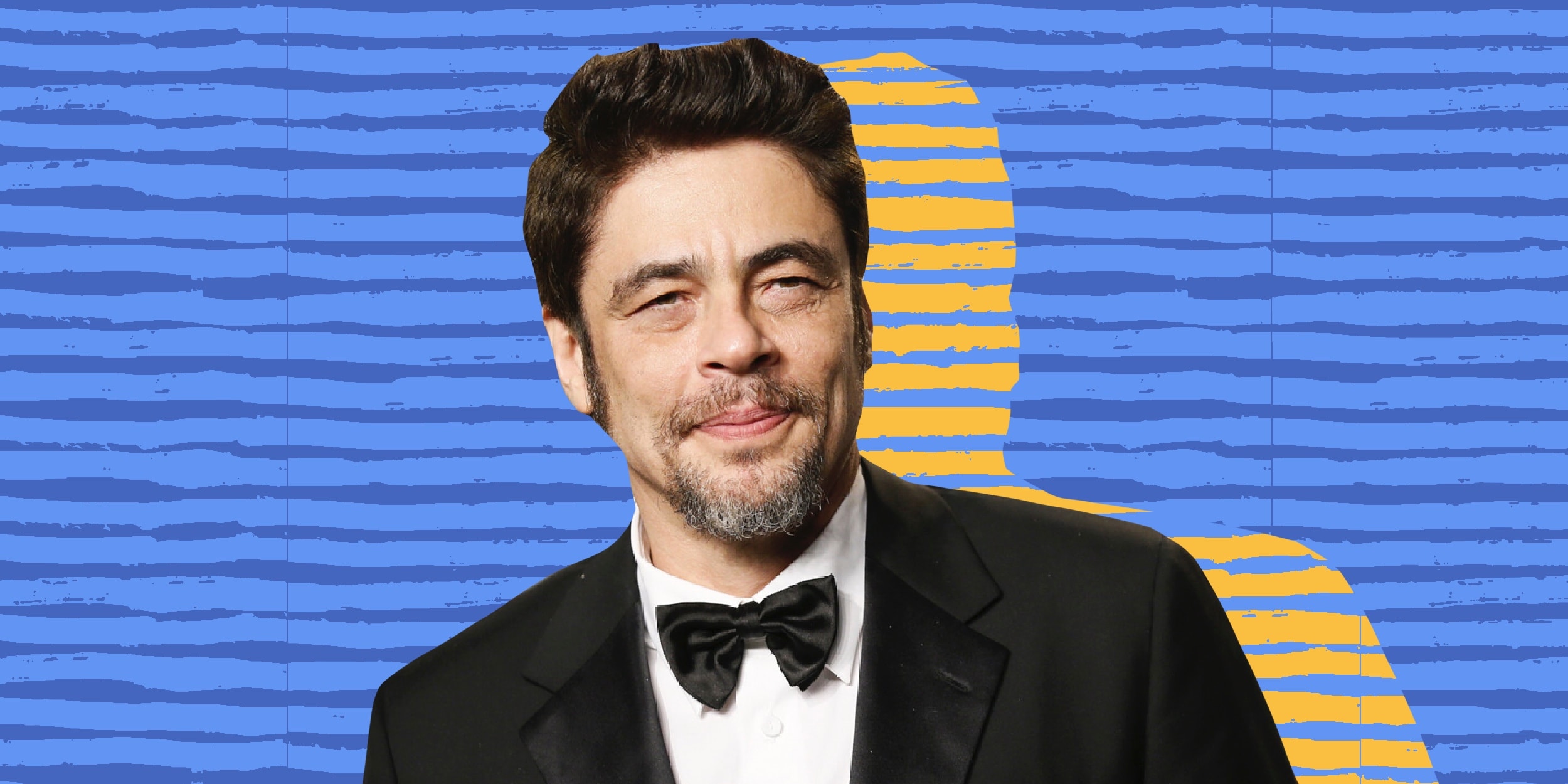
Benicio Del Toro is one of those actors who never chased loud fame but still became a symbol of unique charisma and depth on screen. And despite the fact that he appears in many films, he is not mentioned that often.
His characters are complex, sometimes controversial, but always incredibly alive — so much so that the viewer easily forgets that they are watching an actor’s performance and not a real person with their pain, motivations, and inner drama.
Best Films with Benicio Del Toro
Del Toro rarely agrees to secondary roles without substance: even small appearances he transforms into memorable moments, adding more to his characters than is simply written in the script. Throughout his career, he has played police officers, criminals, cosmic collectors, revolutionaries, and even main antagonists in comic adaptations. His filmography is a selection of strong and bold works in which the actor is not afraid to take risks and always goes beyond the obvious.
Benicio Del Toro's career is an example of how perseverance, natural talent, and the ability to choose the right projects can create a unique acting path. He started with small roles in the late 80s but quickly drew the attention of directors with his ability to create dense, multi-layered images. His true breakthrough came in the 90s when he first truly revealed himself in crime dramas, and in the 2000s he won an Oscar for his role in the film Traffic, proving that he can extract emotional cores even from the most complex stories. Despite not having the bright Hollywood 'star power,' his films have become cult classics, and his characters are often considered the best in their genres. He appears less frequently than many other actors, but each appearance is always an event.
The Usual Suspects
The film The Usual Suspects became a true breakthrough for Del Toro: though his role is not central, it is one of the most memorable in the entire film. He played Fred Fenster — an eccentric criminal with an unusual manner of speaking that instantly captured the attention of viewers and critics alike. Despite the fact that other characters and the mysterious Keyser Söze dominate the story, it is Del Toro's character who adds that unique charm that turned the movie into a cult classic. His performance seems improvisational, natural, and even a bit absurd — but that is what brought the actor widespread recognition. Fenster is one of those characters who can become legendary in just a few scenes. After this film, many critics began to talk about Del Toro as an actor with world-class potential.
Snatch
In Snatch, Del Toro landed the role of Frankie 'Four Fingers' — a professional thief whose appearance triggers a chain of events in the film. In Guy Ritchie's film, this character becomes an important part of the chaotic, explosive humor and criminal aesthetic that the director is known for. Del Toro fits perfectly into the world of British gangster cinema, adding a light irony and restrained emotion to the role. His hero is not just a participant in a criminal story; he is the very 'catalyst' through which everything goes awry. Despite not being a leading role, it showcases the actor's mastery in genre films and emphasizes his ability to shine even in ensemble casts where attention is distributed among dozens of characters. It is here that Del Toro established himself as an actor who can turn even brief appearances into something significant.
Guardians of the Galaxy

In the Marvel universe, Benicio Del Toro plays the Collector — an odd, eccentric, and visually striking character who became one of the most vibrant supporting figures in the entire cosmic MCU line. His character combines flamboyance, mystery, and a sense of detachment that perfectly contrasts with the dynamic style of the film. Del Toro portrayed the Collector in a way that made him one of the most unusual figures in the Marvel world: he is not quite a villain, but he also does not resemble a traditional ally. In every scene, it feels as though the actor is thoroughly enjoying his role, playing on the edge of theatricality, and thereby creating a recognizable image. Although his appearance in Guardians of the Galaxy is not very large, it left such an imprint that the character was remembered even by those who do not follow the comics.
Sin City
In Sin City, Del Toro played Jackie Boy — a character that embodies chaos, threat, and utter unpredictability. Robert Rodriguez's film has a distinctive visual style and clear comic aesthetic, and in this environment, the actor created one of the most unsettling characters in the film. His Jackie Boy is a mix of wild aggression and inner evil that is felt in every movement. The character's transformation after death is an element of black humor and surrealism that shows how organically Del Toro can exist even in the oddest artistic solutions. The film gained cult status, and the actor's role is one of the reasons: he created a character that is hard to forget, even if they do not appear as frequently as others.
Escape at Dannemora
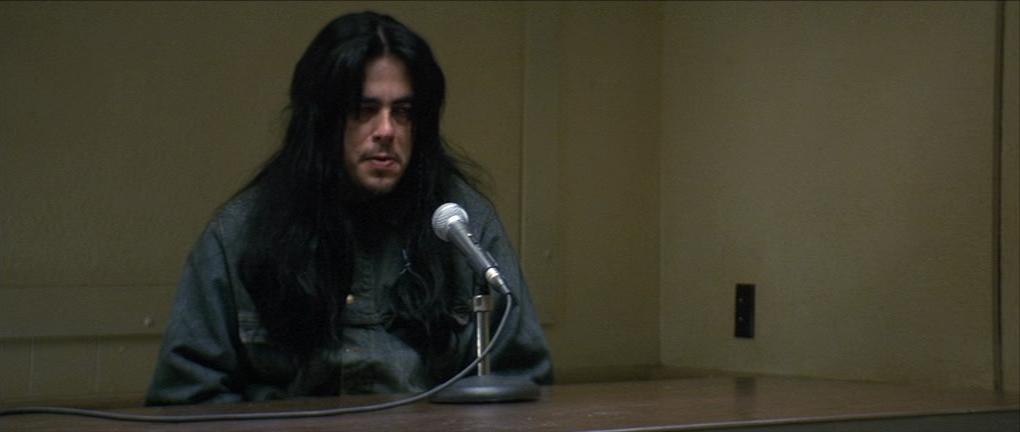
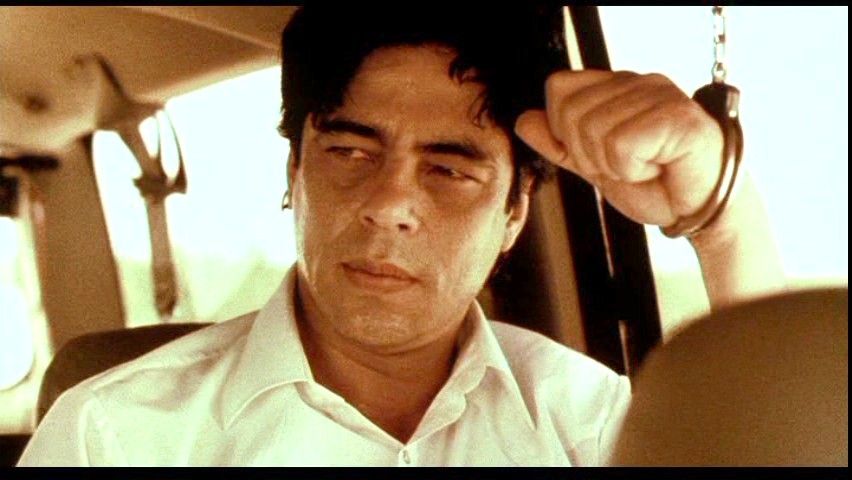
The miniseries Escape at Dannemora became one of Benicio Del Toro's most powerful television works. Here he plays Richard Matt — a real convict who, along with an accomplice, organized an escape from an American prison. This role demonstrates how powerfully the actor can work with psychology: his hero is not a caricature of a villain, but a person where cruelty, cunning, and the ability to manipulate intertwine. Del Toro managed to convey the complex nature of Matt — a charismatic yet dangerous man who can bend others to his will even in seemingly hopeless circumstances. The series received high praise from critics, and the actor's performance became one of the key elements of its success.
Sicario
One of the most powerful and well-known roles in Del Toro's career was his role as Alejandro in Sicario. This character has a tragic past, navigating the boundaries of morality and constantly balancing between justice and revenge. Del Toro creates the image of a silent but deeply emotional person whose quiet presence is often more terrifying than the open threats from others. His performance in Sicario is minimalist yet incredibly strong: every glance, short line, or movement conveys more than lengthy monologues. This character became iconic and simultaneously opened a new level of popularity for the actor — many consider this role the pinnacle of his dramatic talent. Alejandro's character embodies what Del Toro can do better than anyone: act with heart, not just technique.
The Little Prince
While the animated film The Little Prince (2015) is mostly associated with director Mark Osborne's work and the wonderful adaptation of the classic book by de Saint-Exupéry, Benicio Del Toro's participation was a pleasant addition to the already emotionally charged story. His voice lends the character notes of mystery and depth — the same light sadness that is characteristic of actors who can work not only with their bodies but also with their intonations. In this project, Del Toro once again showcases his versatility: he easily transitions from dramatic thrillers to voice acting, maintaining his recognizable style — attentive, restrained, but always slightly ironic.
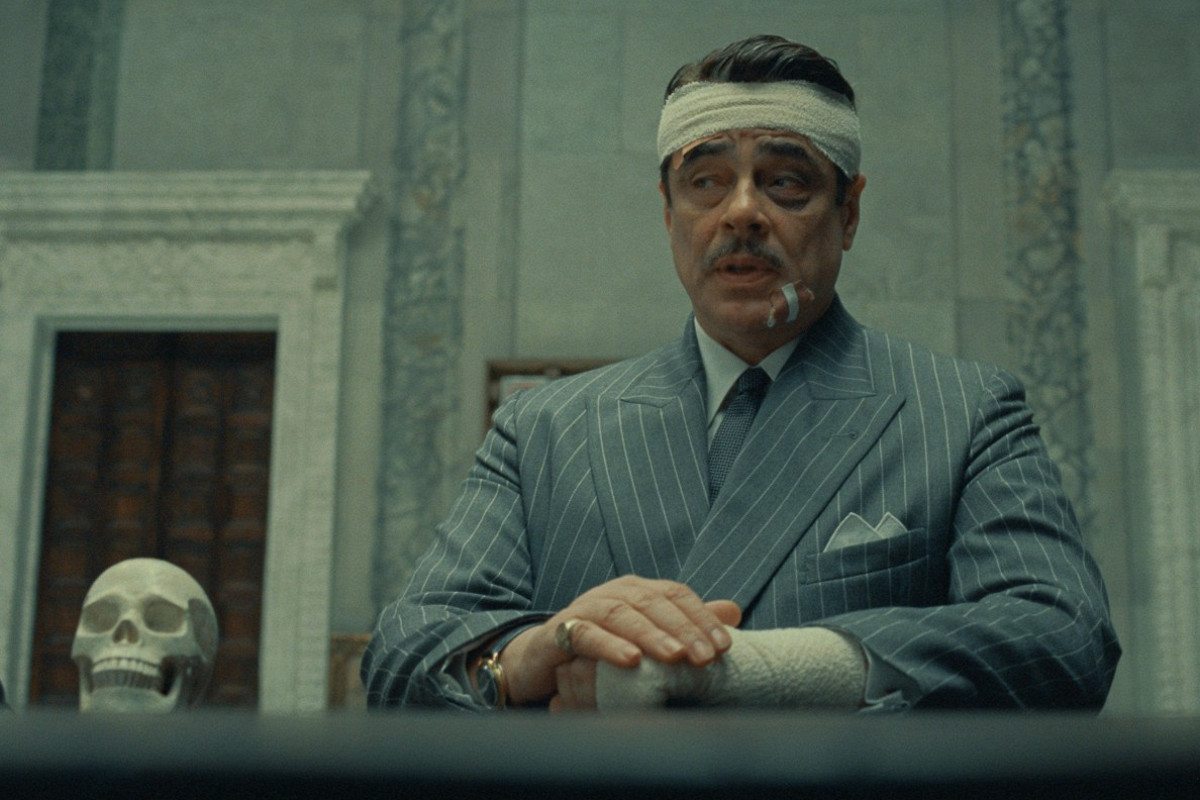
The Little Prince allows audiences to see the actor from another perspective. There are no familiar chases, criminal stories, or psychological games. Instead — a world of dreams, childhood imagination, and philosophical questions that are important for adults as well. Del Toro harmoniously fits into this universe, demonstrating that even a small role can be significant if the actor truly understands the atmosphere of the story.
Traffic
One of Benicio Del Toro's most powerful works is Traffic (2000), for which he won an Oscar for Best Supporting Actor. His character, Mexican police officer Javier Rodriguez, always stands between two worlds: law and chaos, personal morality and the cruel reality of drug cartels. Del Toro acts with astonishing inner calm — he almost never raises his voice, makes no excessive gestures, yet each of his glances carries more information than pages of dialogue.
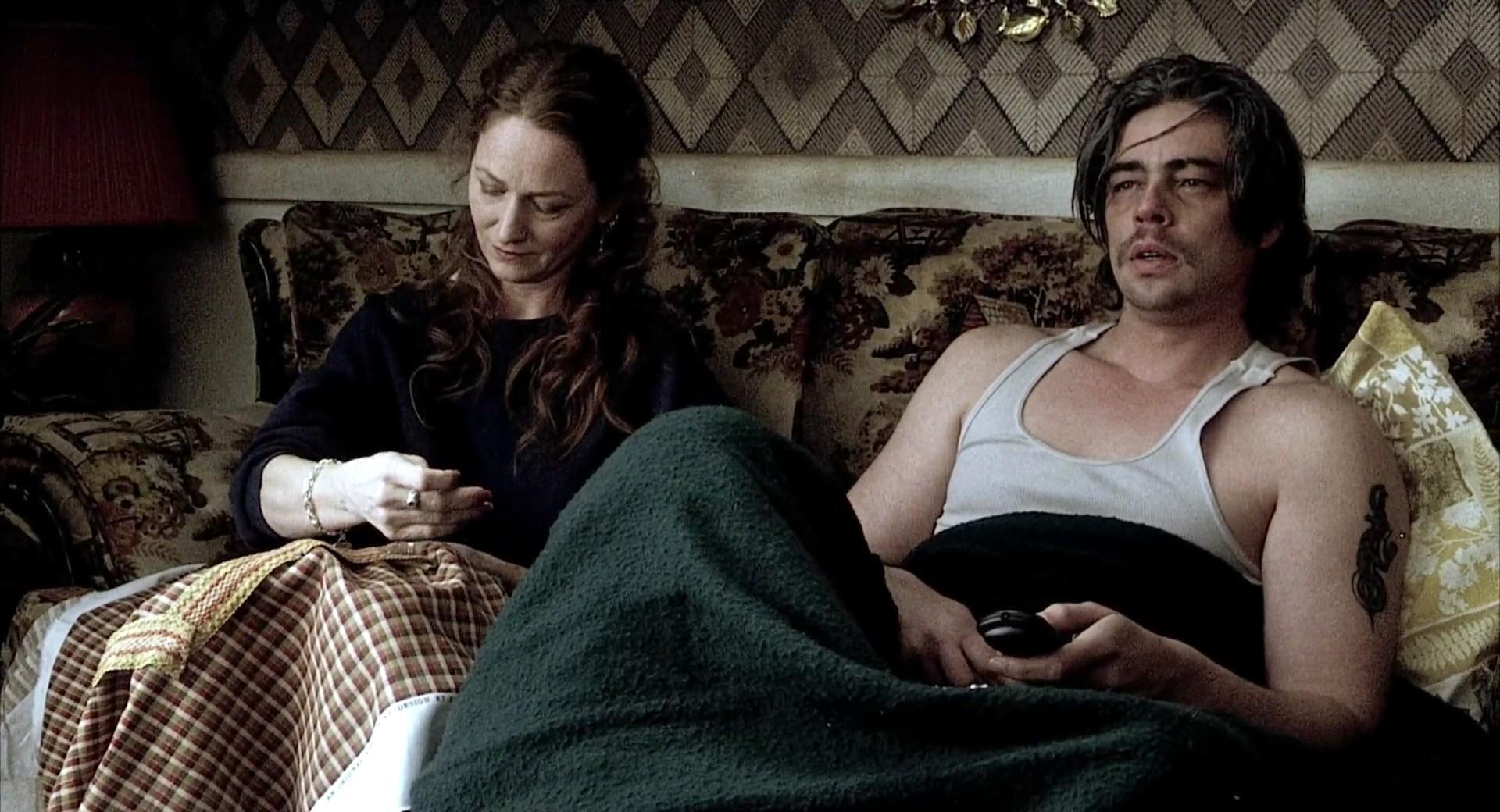
The actor's performance in Traffic is an example of how to create a maximally truthful image through details: slow pacing, muted reactions, a tired but indomitable character. His hero is neither a superman nor an ideal, but a living person caught in a system that swallows everyone without exception. This humanity is what made Del Toro's role one of the brightest in his career. The film raises social issues, and the actor's performance adds genuine weight to it — after watching, it is hard to remain indifferent.
21 Grams
The drama 21 Grams (2003) is another film where Benicio Del Toro creates a character torn between guilt, faith, and pain. His hero, Jack Jordan, is a former prisoner trying to start a new life, but an accidental tragedy shatters all his efforts to change. Del Toro acts as if he carries an unbearable burden on his shoulders: each scene is filled with internal tension, remorse, and contradictions.
The peculiarity of this role lies in its psychological accuracy. The actor portrays not just a remorseful person, but someone who does not know how to live on when the world seems unjust and unforgiving. The character's brokenness is presented very sincerely: sometimes he appears strong, sometimes absolutely helpless, and this volatility makes the image so realistic. 21 Grams is a film about how human destinies intersect by chance but impact each other forever, with Del Toro's performance enhancing the dramatic effect.
Fear and Loathing in Las Vegas
In the cult film Fear and Loathing in Las Vegas (1998), Benicio Del Toro appears in a completely different light — eccentric, chaotic, even shocking. His character, Dr. Gonzo, is a mix of madness, charisma, and demonic charm. Del Toro deliberately gained significant weight for the role, completely altering his posture, manner of speech, and behavior. This is one of those cases where an actor immerses himself in a role to the point of becoming almost unrecognizable.
Gonzo as portrayed by Del Toro is an uncontrollable whirlwind that draws in both the main character and the audience. He simultaneously repels and attracts, is funny yet scary, dirty yet extraordinarily vibrant. The actor is unafraid of appearing unesthetic or strange — on the contrary, he uses this as a powerful tool for character creation. The film is based on hyperbole, absurdity, and drug-fueled chaos, and Del Toro masterfully supports this atmosphere, adding depth and expressiveness.
In this role, he reveals himself as a transformative actor — one who is not afraid to break his style and step beyond traditional characters. And although the film is not for everyone, even its critics acknowledge that Del Toro delivered one of the boldest and most striking performances of the 1990s.
Read also
- Zendaya Announces a Career Break: What Led the Actress to Step Back
- Olga Gorbachova and Yuriy Nikitin Split Again: What Happens to Their Daughters Now
- Dmytro Koliadenko Opens Up About His Son’s Wedding: The Best Celebration of His Life
- Kim Kardashian Mourns the Loss of Her Grandmother Mary Jo Shannon at Age 91
- Michael J. Fox Celebrates 38th Wedding Anniversary: Touching Words to His Wife Tracy Pollan
- Lindsay Lohan Shares Heartfelt Birthday Tribute to Her Son on His 3rd Birthday Alongside Husband