A Simple DIY Draft Stopper: The Flannel and Pine Needle Solution for Winter Warmth.

The Effectiveness of Flannel Draft Stoppers
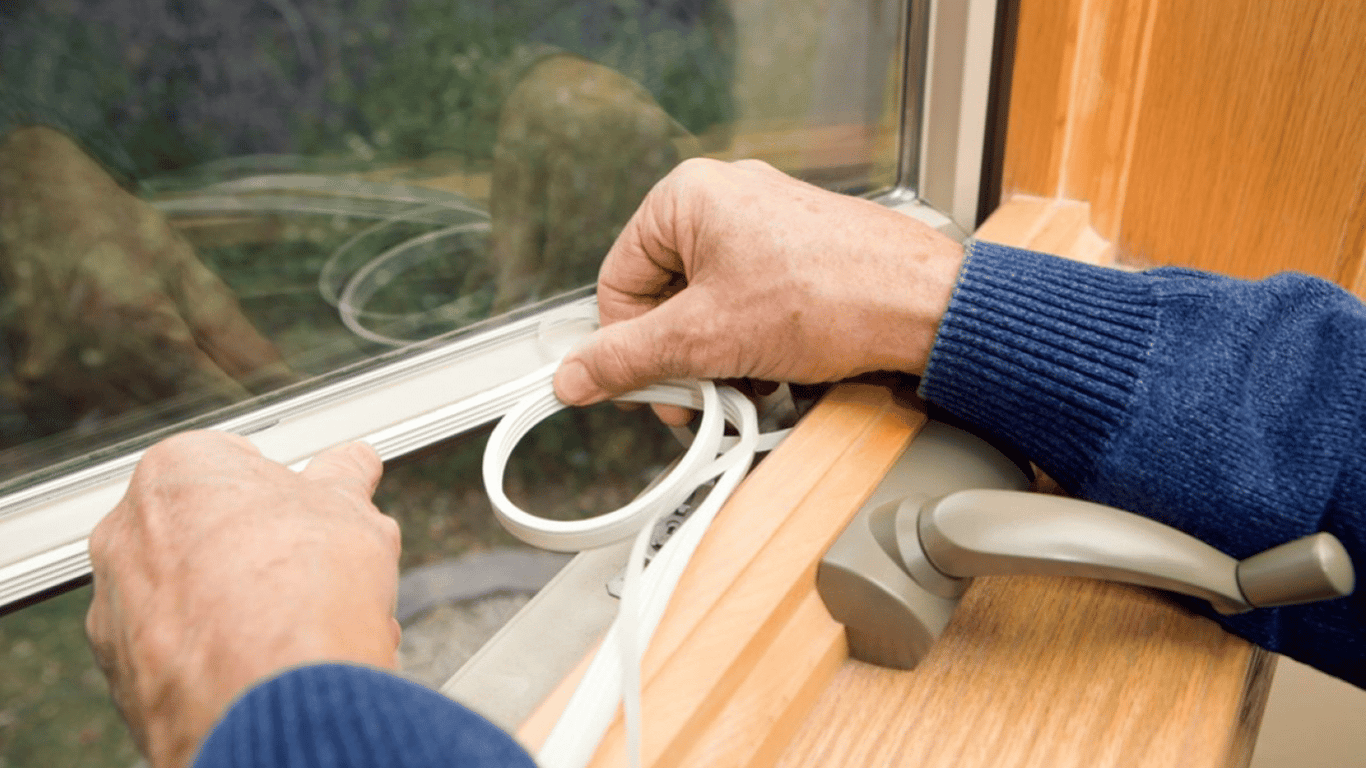
According to Novyny.live: Using a flannel tube filled with pine needles is a highly effective method to seal out drafts and retain heat in your home. This simple accessory blocks cold air immediately upon placement, offering a convenient and practical winter solution. It is crafted from natural materials—flannel and pine needles—which ensures it is free from artificial chemical scents.
The pine needle filling remains effective for two to three months before needing replacement. For an optimal seal against the window frame, the ideal width of the roll should be between 15 and 20 centimeters. The key advantages of using these flannel draft blockers include:
- Instant draft elimination upon installation;
- The potential for reuse over multiple seasons;
- Simple refilling or replacement of the filling material.
How to Make Your Own Draft Stopper
Creating your own draft stopper involves a few straightforward steps. First, cut a piece of flannel fabric, then fold it in half and sew it into a tube shape. Next, sew a zipper along one side. Finally, fill the tube with dry pine needles and zip it closed. The finished roll is then placed along the bottom of the windowsill to effectively block incoming cold air.
Beyond flannel draft stoppers, several other methods exist to improve a room's insulation. These alternative approaches include:
- Replacing or installing new weatherstripping seals;
- Using thermal curtains or heavy drapes;
- Sealing gaps with silicone caulk;
- Applying window draft excluders or stoppers;
- Installing modern, energy-efficient windows.
Exploring these various methods allows everyone to find the most suitable solution for keeping their home warm and reducing heating costs. With energy prices on the rise, effective and affordable insulation techniques are more valuable than ever. The flannel and pine needle roll presents an economical and eco-friendly option that can significantly cut heating expenses. Its simplicity to make and use makes it an attractive choice for those seeking to improve their home's energy efficiency during the colder months.
Read also
- Blago Becomes Lead Partner of Lviv Fashion Week: What This Means for Ukrainian Designers
- From Johnson’s Memoir to the War of Tomorrow: 5 Must-Read Books Coming in 2026
- Forecaster Didenko Issues Weather Update for July 15: Where Rain Is Expected
- How to Choose a School Backpack: Key Factors for Your Child's Health and Comfort
- A Simple Recipe for Tomato Fertilizer Made from Yeast and Banana Peels
- Custom Door Signs Over Stock Options: How Office and Residential Navigation Is Evolving