Top Fertilizers for a Massive Eggplant Harvest: A Gardener’s Guide.

Why and When to Fertilize Eggplants
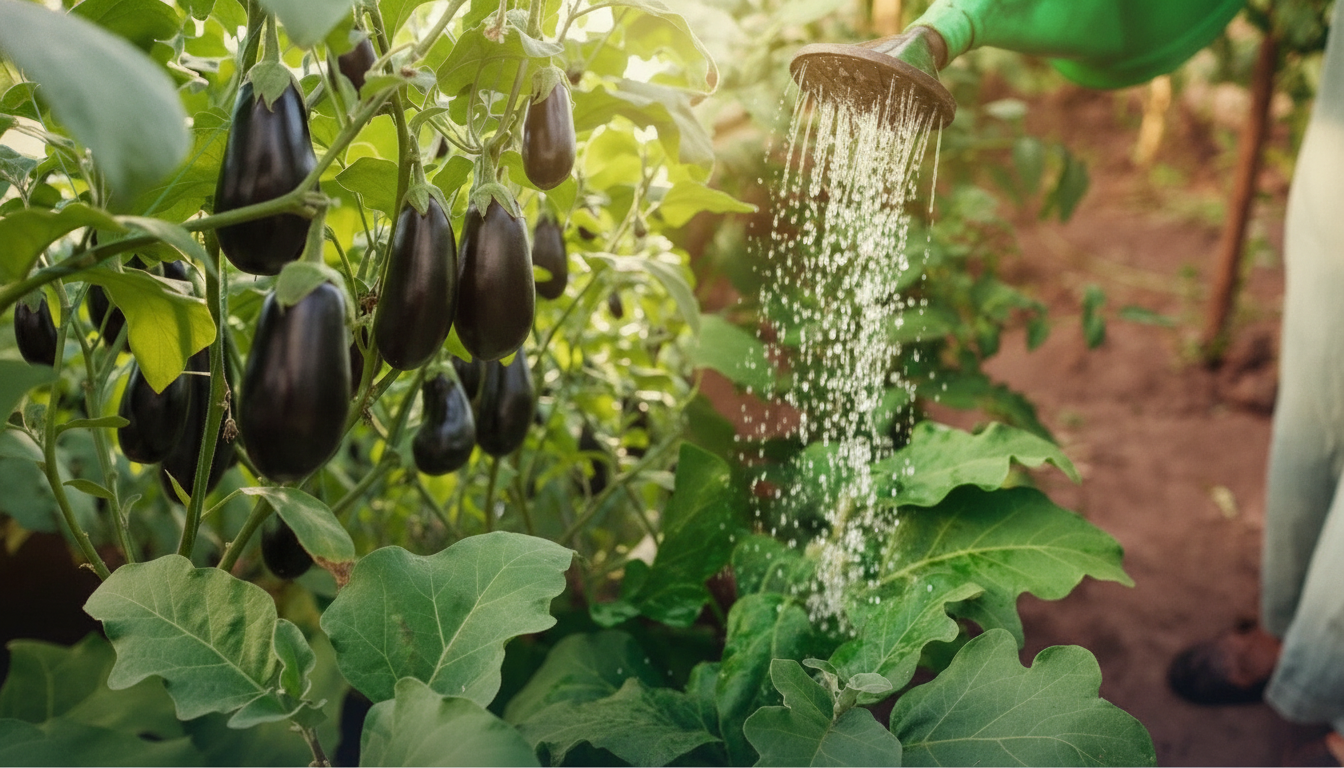
According to Novyny.live: Proper fertilization is a critical step in growing eggplants, as using the right nutrients can significantly boost yields. Because eggplants have a weak root system, it is essential to follow a careful feeding schedule throughout their growth cycle. The first feeding of seedlings should occur 10–14 days after transplanting them into individual pots. This helps the plants adapt more quickly to their new environment and promotes healthy development.
A second feeding is recommended one week before moving the plants outdoors. After transplanting into open ground, the first full feeding should take place 10–14 days later. The final application of fertilizer should be done 3–4 weeks before harvest. Following these timing guidelines is key to producing strong, productive plants.
Choosing the Right Fertilizer
When selecting fertilizers, keep these roles in mind:
- Nitrogen supports leafy green growth;
- Phosphorus strengthens roots and encourages flowering;
- Potassium influences fruit flavor, firmness, and size.
Additionally, boron, magnesium, and calcium help fortify the plant, contributing to overall vigor. Recommended organic options include:
- Herbal or weed tea;
- Diluted cow manure solution;
- Diluted bird droppings;
- Wood ash, which provides potassium and calcium.
Always apply fertilizers to moist soil and avoid exceeding the recommended dosage. Using warm solutions rather than cold ones, and feeding in the early morning or late evening, helps prevent plant stress and ensures proper nutrient uptake. Following these practices can have a major impact on your total harvest.
Understanding eggplant fertilization is especially valuable for agronomists and home gardeners alike, as it maximizes crop productivity. With shifting climate conditions and rising demand for high-quality vegetables, efficient fertilizer use can be a key factor in successful cultivation. Mastering these feeding techniques not only improves yields but also supports ecological balance in agricultural systems.
Read also
- From Johnson’s Memoir to the War of Tomorrow: 5 Must-Read Books Coming in 2026
- Forecaster Didenko Issues Weather Update for July 15: Where Rain Is Expected
- How to Choose a School Backpack: Key Factors for Your Child's Health and Comfort
- A Simple Recipe for Tomato Fertilizer Made from Yeast and Banana Peels
- Custom Door Signs Over Stock Options: How Office and Residential Navigation Is Evolving
- Best Haircuts for Thick Hair: Styles That Enhance Your Natural Beauty