How to Acidify Soil for Lush Hydrangea Blooms.

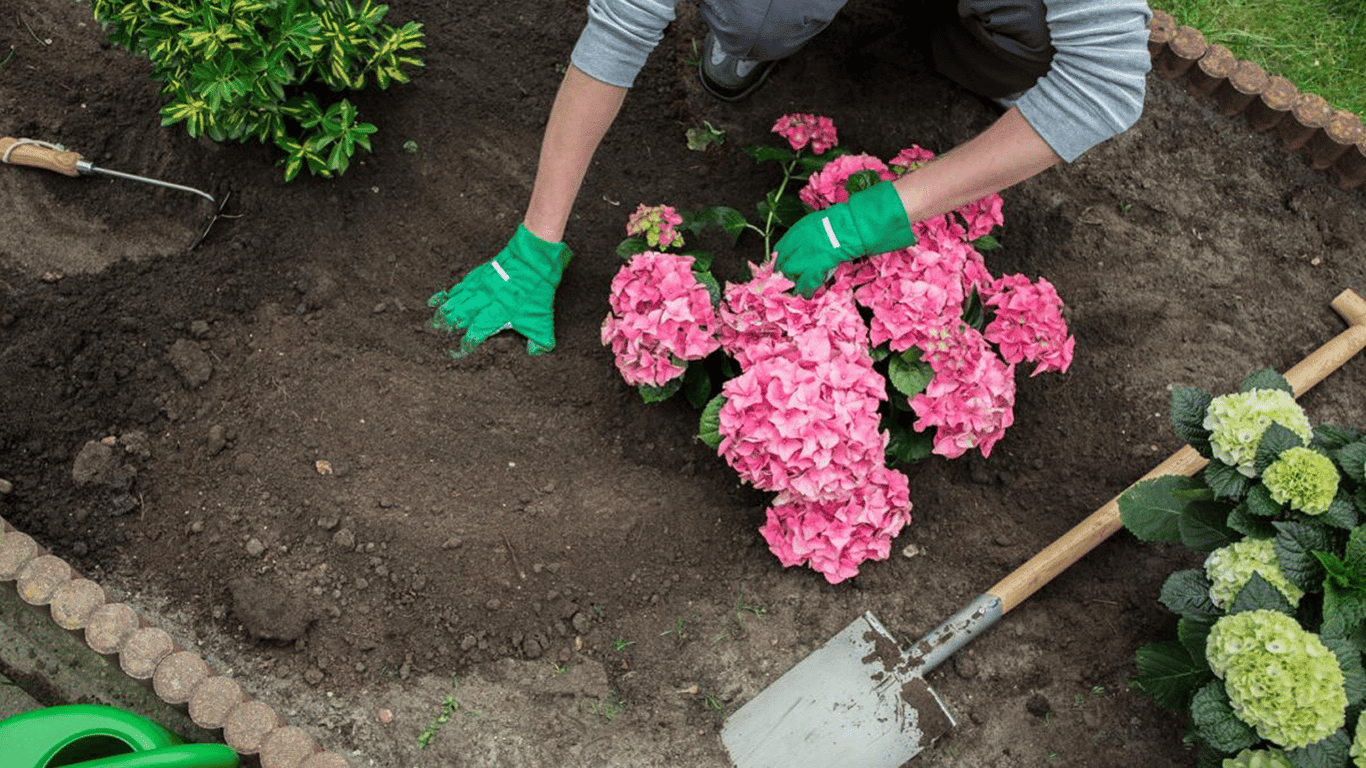
Caring for Hydrangeas
According to Novyny.live: Hydrangeas require acidic soil for healthy growth and vibrant flowering. Monitoring and adjusting soil pH is a crucial part of their care, as a high pH level can lead to yellowing leaves and poor blooming. Taking appropriate steps to ensure optimal acidity is essential for the plant's well-being.
Methods for Acidifying Soil
One effective method for correcting soil acidity is using iron sulfate, which is particularly helpful for plants showing signs of chlorosis. To prepare the solution, dissolve one tablespoon of iron sulfate in 10 liters of water. Additionally, organic materials can also be used to acidify the soil, such as:
- Sphagnum peat moss
- Well-rotted pine needles
- Sawdust
- Leaf compost
- Manure
For a quicker effect, it's important to incorporate this organic matter close to the plant's root zone.
However, certain mistakes should be avoided when acidifying soil. Do not apply the iron sulfate solution to dry soil, as this can harm the plant. It's also crucial not to exceed the recommended concentration of the solution and to avoid using large quantities of fresh pine needles, which could worsen the plant's condition. Proper care will help maintain the hydrangea's health and ensure abundant flowering.
Hydrangeas are highly popular among gardeners for their decorative appeal and variety of forms. Their specific need for acidic soil is a key reason why they sometimes fail to bloom in gardens with neutral or alkaline conditions. Adhering to these guidelines can significantly improve the health and flowering of your hydrangeas, making this information valuable for all gardening enthusiasts.
Read also
- Blago Becomes Lead Partner of Lviv Fashion Week: What This Means for Ukrainian Designers
- From Johnson’s Memoir to the War of Tomorrow: 5 Must-Read Books Coming in 2026
- Forecaster Didenko Issues Weather Update for July 15: Where Rain Is Expected
- How to Choose a School Backpack: Key Factors for Your Child's Health and Comfort
- A Simple Recipe for Tomato Fertilizer Made from Yeast and Banana Peels
- Custom Door Signs Over Stock Options: How Office and Residential Navigation Is Evolving