Pantry Moths Invade Ukrainian Kitchens: How to Protect Your Food and Eliminate the Pest.

The Pantry Moth Threat
According to Novyny.live: Pantry moths reproduce rapidly and can cause serious damage to stored food. These insects lay tiny eggs that are nearly impossible to spot with the naked eye. Infestations often begin when contaminated items are brought into the home. Common sources include:
- flour
- rice
- grains
- dried fruit
- nuts
- pet food
- other dry bulk goods
Warm conditions, especially temperatures above +20°C, accelerate the pest's breeding cycle.
Signs of Infestation and Control Methods
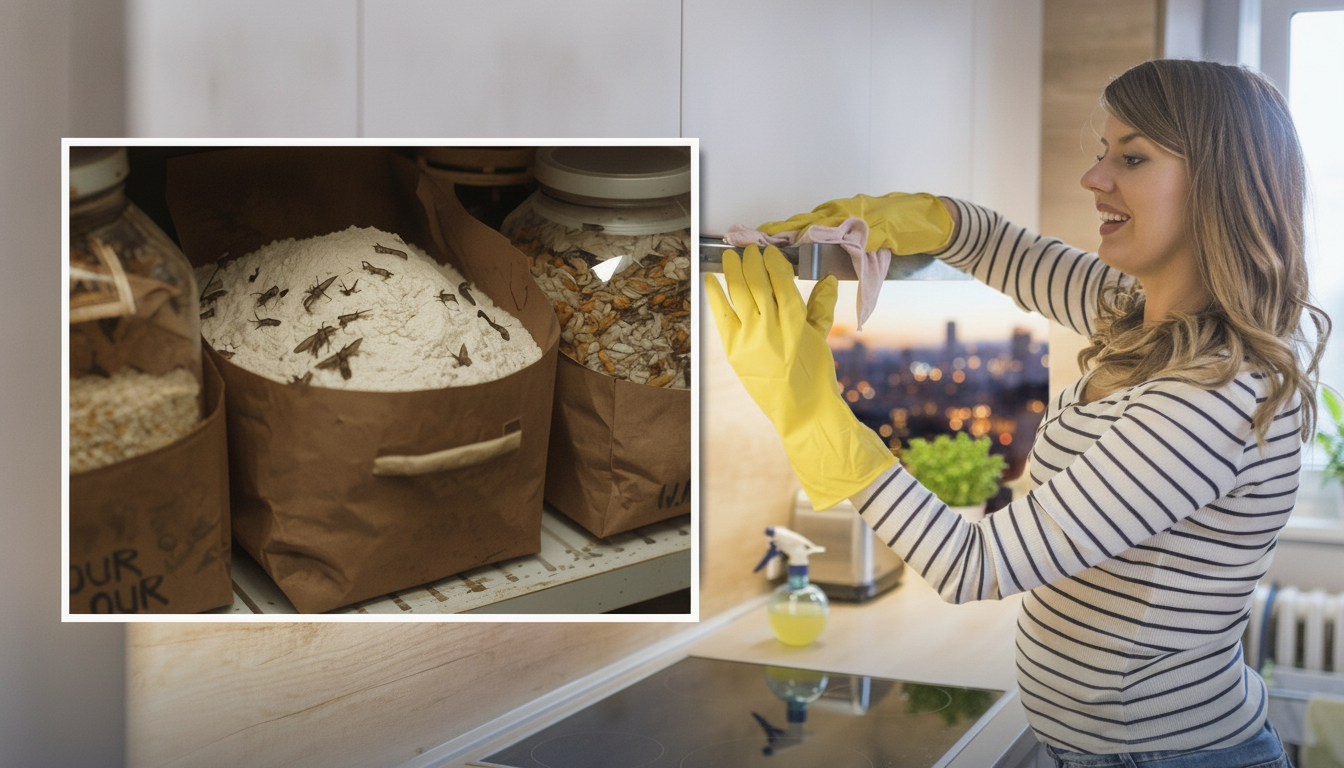
Look for telltale signs when inspecting your pantry: fine webbing or threads in grains and flour, clumpy or stuck-together dry goods, and small larvae or adult moths. Early detection is crucial to stop the problem from spreading.
One effective treatment is wiping down kitchen cabinets with white vinegar, which kills moth eggs and larvae. For ongoing prevention, natural repellents work well. Try placing any of the following in your storage areas:
- bay leaves
- lavender
- cloves
- dill
These scents help keep moths away.
To prevent re-infestation, store food properly. Use glass jars, metal containers, or high-quality plastic bins with airtight lids. Following these simple steps can greatly reduce the chance of a pantry moth problem in your home.
Given the serious threat pantry moths pose to food supplies, consumers should stay vigilant when storing and regularly checking their goods. Using natural prevention methods and prompt cleaning can significantly lower infestation risks, especially during warmer weather. Acting quickly at the first sign of trouble helps keep food safe and saves money on replacements.
Read also
- Blago Becomes Lead Partner of Lviv Fashion Week: What This Means for Ukrainian Designers
- From Johnson’s Memoir to the War of Tomorrow: 5 Must-Read Books Coming in 2026
- Forecaster Didenko Issues Weather Update for July 15: Where Rain Is Expected
- How to Choose a School Backpack: Key Factors for Your Child's Health and Comfort
- A Simple Recipe for Tomato Fertilizer Made from Yeast and Banana Peels
- Custom Door Signs Over Stock Options: How Office and Residential Navigation Is Evolving