Winter Driving Alert: How Cold Weather Deflates Your Tires and Endangers Safety.

Winter Driving Alert: How Cold Weather Deflates Your Tires and Endangers Safety
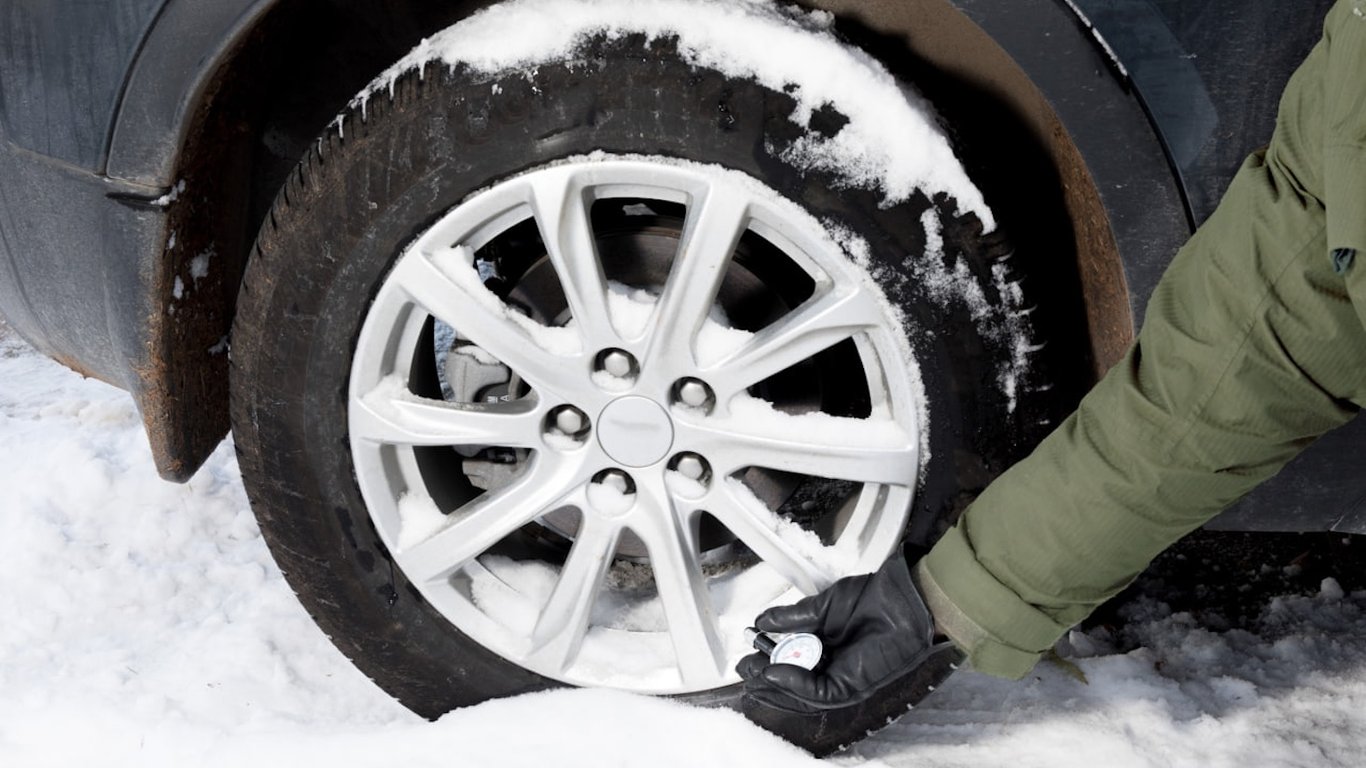
According to Novyny.live: As temperatures drop, the air pressure in your car's tires can decrease, creating a serious road hazard. For every 10°C (18°F) drop in ambient temperature, tire pressure can fall by approximately 0.1 to 0.2 bar. This is a critical safety issue, as proper tire pressure is essential for maintaining vehicle control and stability on winter roads.
Essential Tips for Maintaining Correct Tire Pressure
To prevent dangerous situations, automotive experts recommend the following:
- Maintain a pressure 0.1 to 0.2 bar above standard summer recommendations.
- Always measure pressure when the tires are cold, after the vehicle has been stationary for an extended period.
- Check pressure with a reliable gauge every two weeks, especially during winter.
Underinflated tires increase rolling resistance and slow the vehicle's steering response, which can lead to accidents. Overinflation is equally hazardous, as it reduces the tire's contact patch with the road, impairing handling and grip. Regular pressure checks help distribute the vehicle's load evenly across the tire and preserve the elasticity of the rubber compound.
Following these guidelines is key to ensuring safe winter driving and avoiding the dangers associated with incorrect tire pressure. This is a common seasonal challenge for drivers in temperate climates, where temperature swings are significant.
Winter conditions make it especially important to monitor temperature changes, as they directly impact your vehicle's performance. Low tire pressure not only compromises handling but can also lead to increased fuel consumption and accelerated tire wear. Regular checks are therefore advised not just for safety, but also to save money on fuel and vehicle maintenance costs.
Read also
- Blago Becomes Lead Partner of Lviv Fashion Week: What This Means for Ukrainian Designers
- From Johnson’s Memoir to the War of Tomorrow: 5 Must-Read Books Coming in 2026
- Forecaster Didenko Issues Weather Update for July 15: Where Rain Is Expected
- How to Choose a School Backpack: Key Factors for Your Child's Health and Comfort
- A Simple Recipe for Tomato Fertilizer Made from Yeast and Banana Peels
- Custom Door Signs Over Stock Options: How Office and Residential Navigation Is Evolving