Cabbage Heads Splitting in the Garden: Key Causes and How to Save Your Crop.

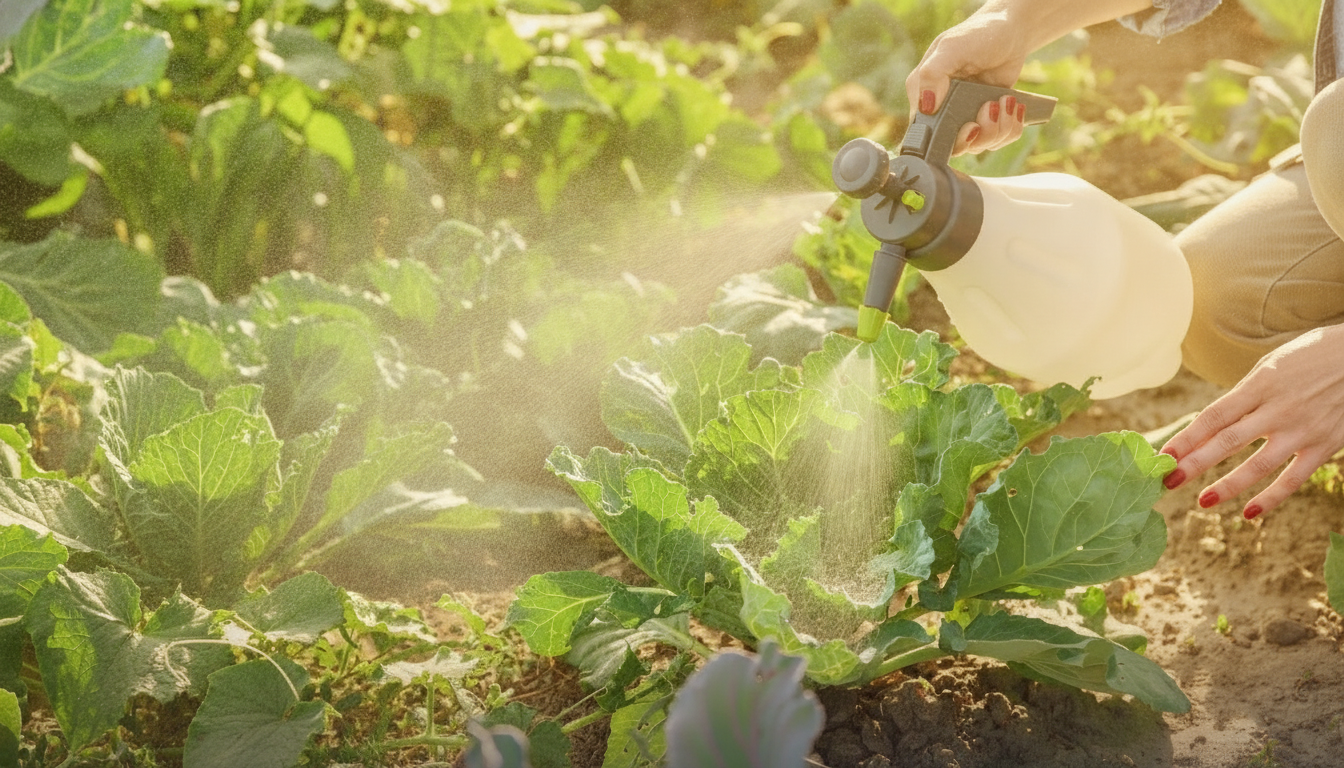
The Problem of Cracking in White Cabbage
According to Novyny.live: White cabbage, which begins forming heads in mid-summer, is prone to splitting—a problem that can compromise harvest quality. This issue stems from several factors, including improper watering practices, fertilization mistakes, and nutrient imbalances. These conditions create negative outcomes that directly affect the crop's integrity.
A primary cause of cabbage cracking is an excess of nitrogen, which accelerates head development during the latter half of the growing season. At the same time, a deficiency in elements like boron, magnesium, and sulfur slows plant growth and increases the likelihood of cracks forming. These factors can significantly impact both yield and the overall quality of white cabbage.
Preventive Measures to Avoid Cracking
To protect cabbage and prevent it from splitting, agronomists advise following several key practices:
- Maintain a consistent watering schedule to keep soil moisture at optimal levels.
- Apply mulch to retain moisture and stabilize soil temperature.
- Monitor nitrogen fertilizer use to prevent overapplication.
- Ensure a balanced supply of micronutrients such as boron, magnesium, and sulfur for healthy plant development.
- Harvest cabbage in a timely manner to avoid damage and preserve quality.
By adhering to these recommendations, gardeners can keep white cabbage in good condition and avoid the issues linked to cracking.
Given the importance of white cabbage in the agricultural sector, understanding the factors that affect its quality is critical for farmers. Applying these guidelines can substantially boost yields and reduce losses, which in turn positively impacts economic outcomes. This knowledge is especially relevant in the context of climate change, as growers face new challenges in crop cultivation.
Read also
- The Ultimate Zucchini Casserole: An Easy Recipe with Cheese and Garlic
- 2026 Eyebrow Trends: Why Ukrainian Women Are Ditching Permanent Makeup
- Boost Your Apple Harvest: Five Plants That Naturally Repel Pests
- June 24 Moon in Scorpio: Key Actions to Avoid on This Day
- No Gardening Allowed on Ivan Kupala Day: What Ukrainians Must Avoid on June 24
- How to Cook Hake in Egg Batter: A Foolproof Recipe for a Crispy Golden Crust