Potatoes in Danger: Top Protection Methods Against the Colorado Potato Beetle Revealed.

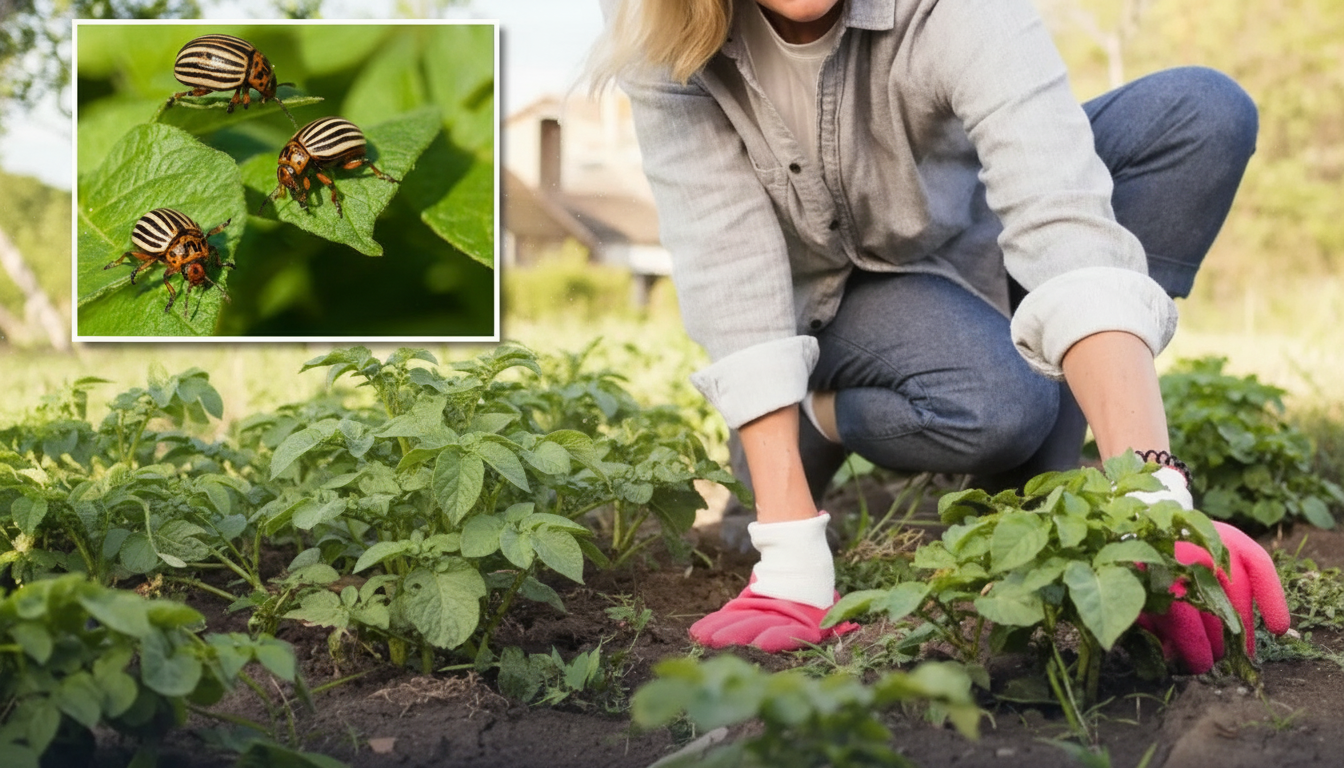
Fighting the Colorado Potato Beetle
According to Novyny.live: The Colorado potato beetle is the most serious threat to potato crops, and its presence in fields can cause severe damage to harvests. To control this pest, agronomists recommend a range of protection strategies, including home remedies, biological treatments, and chemical insecticides. Knowing how to apply these methods correctly is essential for effective treatment.
Home Remedies and Potato Treatment
Home remedies offer an affordable and eco-friendly option for managing Colorado potato beetles. However, they need to be reapplied every 7 to 10 days to achieve the best results. Among the most effective natural solutions against this pest are:
- wood ash
- a mix of dry mustard and table vinegar
- wormwood infusions
- celandine
- garlic
- onion skins
- tobacco dust
These remedies not only help keep beetle numbers in check but are also safe for the environment.
Treating potatoes is especially critical during the flowering stage, a delicate period for the plants. At this time, extra care is needed to avoid damaging the flowers and reducing crop quality. It is also best to apply treatments on a dry, windless day to improve their effectiveness.
Beyond natural methods, insecticides can be used to combat the Colorado potato beetle. Proper usage guidelines are crucial to prevent harm to human health and the environment. Key steps include:
- following the manufacturer's instructions
- not exceeding the recommended dosage
- using personal protective equipment
- monitoring pets
Following these recommendations will help ensure effective beetle control and protect the potato harvest.
Given the importance of potatoes as a staple crop, effectively managing the Colorado potato beetle is a top priority for agronomists and farmers. Combining both natural and chemical approaches can reduce the damage caused by this pest, supporting stable yields. As climate change drives an increase in pest populations, agricultural experts must continuously refine their protection techniques to meet new challenges in farming.
Read also
- Blago Becomes Lead Partner of Lviv Fashion Week: What This Means for Ukrainian Designers
- From Johnson’s Memoir to the War of Tomorrow: 5 Must-Read Books Coming in 2026
- Forecaster Didenko Issues Weather Update for July 15: Where Rain Is Expected
- How to Choose a School Backpack: Key Factors for Your Child's Health and Comfort
- A Simple Recipe for Tomato Fertilizer Made from Yeast and Banana Peels
- Custom Door Signs Over Stock Options: How Office and Residential Navigation Is Evolving