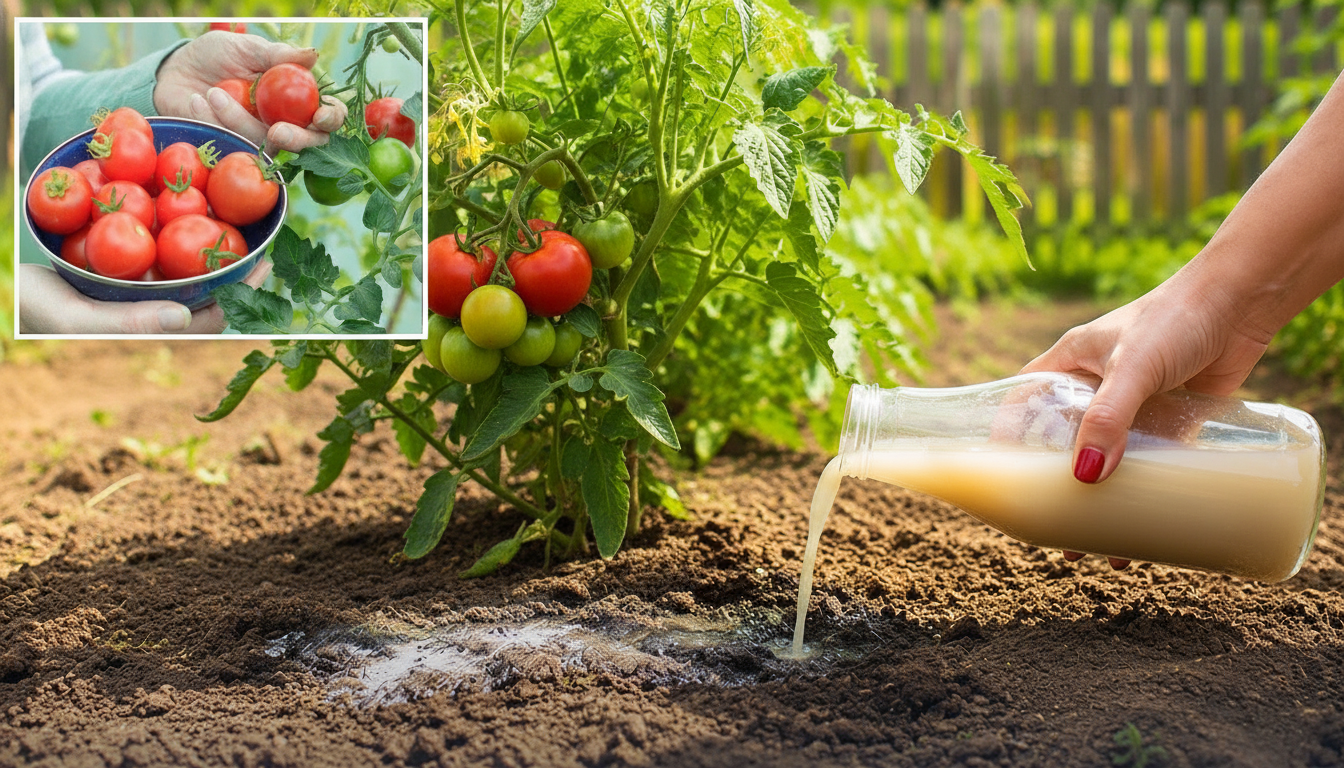
Turning Potato Peels into Plant Food: A Guide to Drying and Grinding.

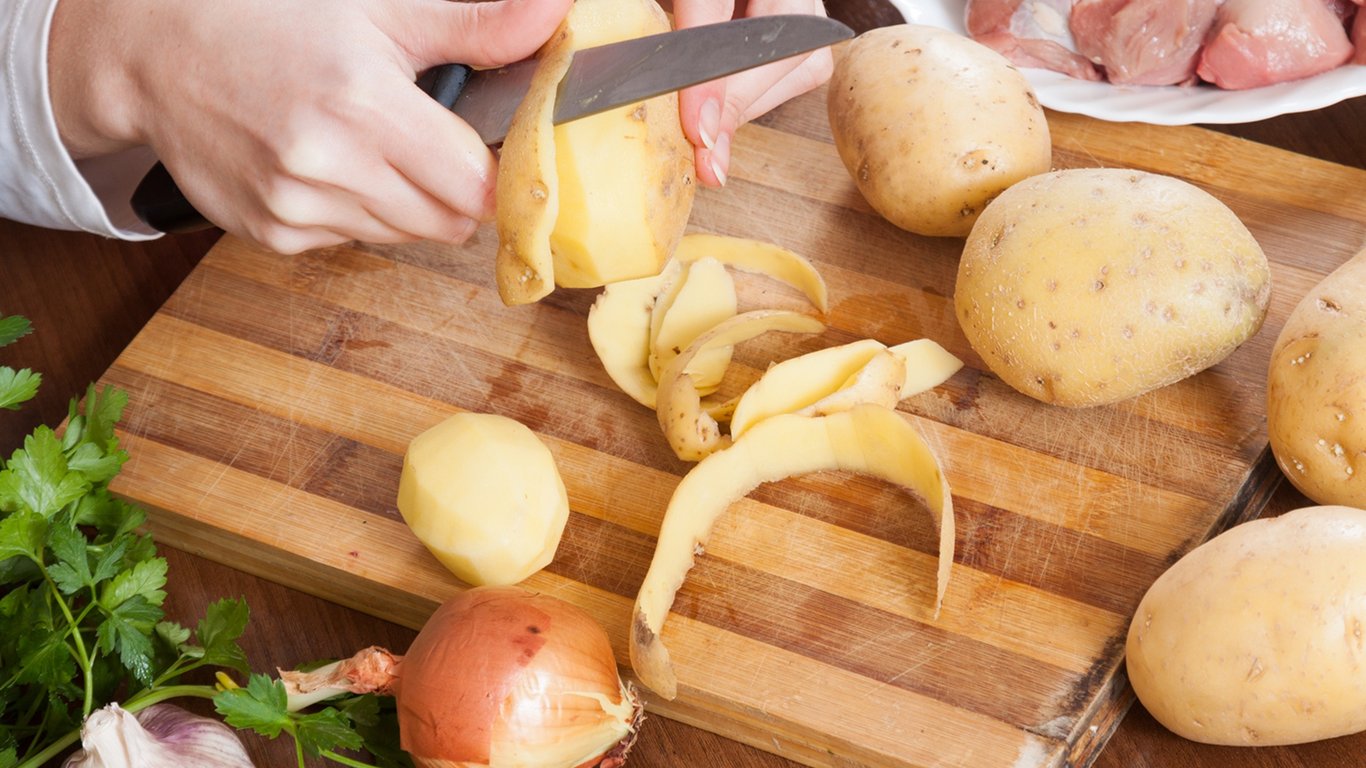
Potato Peels: A Versatile Homemade Fertilizer
According to Novyny.live: Instead of discarding them, potato peels can be processed into a versatile, eco-friendly fertilizer rich in potassium, phosphorus, and magnesium. This method recycles kitchen waste, conserves resources, and can enhance soil fertility for gardeners.
The skin of a potato contains nutrients crucial for plant growth, including potassium, phosphorus, magnesium, and starch. However, using raw peels is risky as they can rot and introduce harmful bacteria or fungi into the soil. To prevent this and create a safe, effective plant food, proper preparation of the peels is essential.
How to Prepare Potato Peel Fertilizer
To transform peels into fertilizer, they must be thoroughly dried at 150°C (302°F). The key preparation steps involve:
- Spreading the peels in a thin layer on a baking tray;
- Carefully monitoring the temperature during the drying process.
This high heat is critical for destroying any fungal spores or bacteria present on the raw peels. Once completely dried, the peels should be ground into a fine powder using a blender or coffee grinder. The resulting powder can be stored for several months in an airtight jar, providing a convenient, ready-to-use supplement.
It's important to note that adding raw potato peels directly to a compost pile is not recommended, as they may harbor plant pathogens. This preparation method is common among home gardeners looking for a sustainable, low-cost soil amendment. Correctly processing the peels yields a safe, nutrient-rich fertilizer that can promote healthier plant growth and potentially increase crop yields.
Utilizing potato peels as fertilizer presents a beneficial solution for gardeners and farmers aiming to reduce costs and minimize waste. This recycling approach not only boosts soil fertility but also supports ecological balance by diverting food scraps from landfills. Responsible preparation ensures plant safety, making this an increasingly attractive practice for those invested in sustainable agriculture.
Read also
- Blago Becomes Lead Partner of Lviv Fashion Week: What This Means for Ukrainian Designers
- From Johnson’s Memoir to the War of Tomorrow: 5 Must-Read Books Coming in 2026
- Forecaster Didenko Issues Weather Update for July 15: Where Rain Is Expected
- How to Choose a School Backpack: Key Factors for Your Child's Health and Comfort
- A Simple Recipe for Tomato Fertilizer Made from Yeast and Banana Peels
- Custom Door Signs Over Stock Options: How Office and Residential Navigation Is Evolving