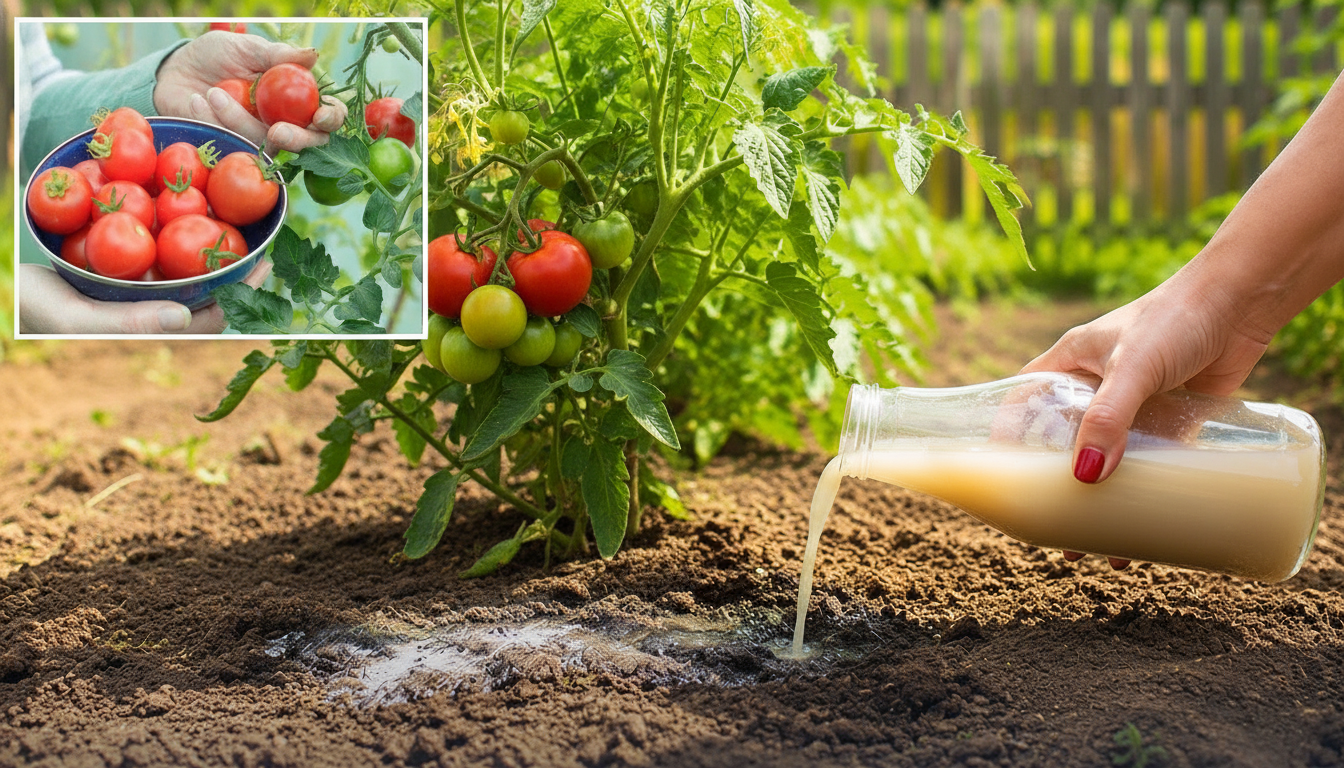
Boost Your Currant Harvest: The Potato Peel Fertilizer Method.

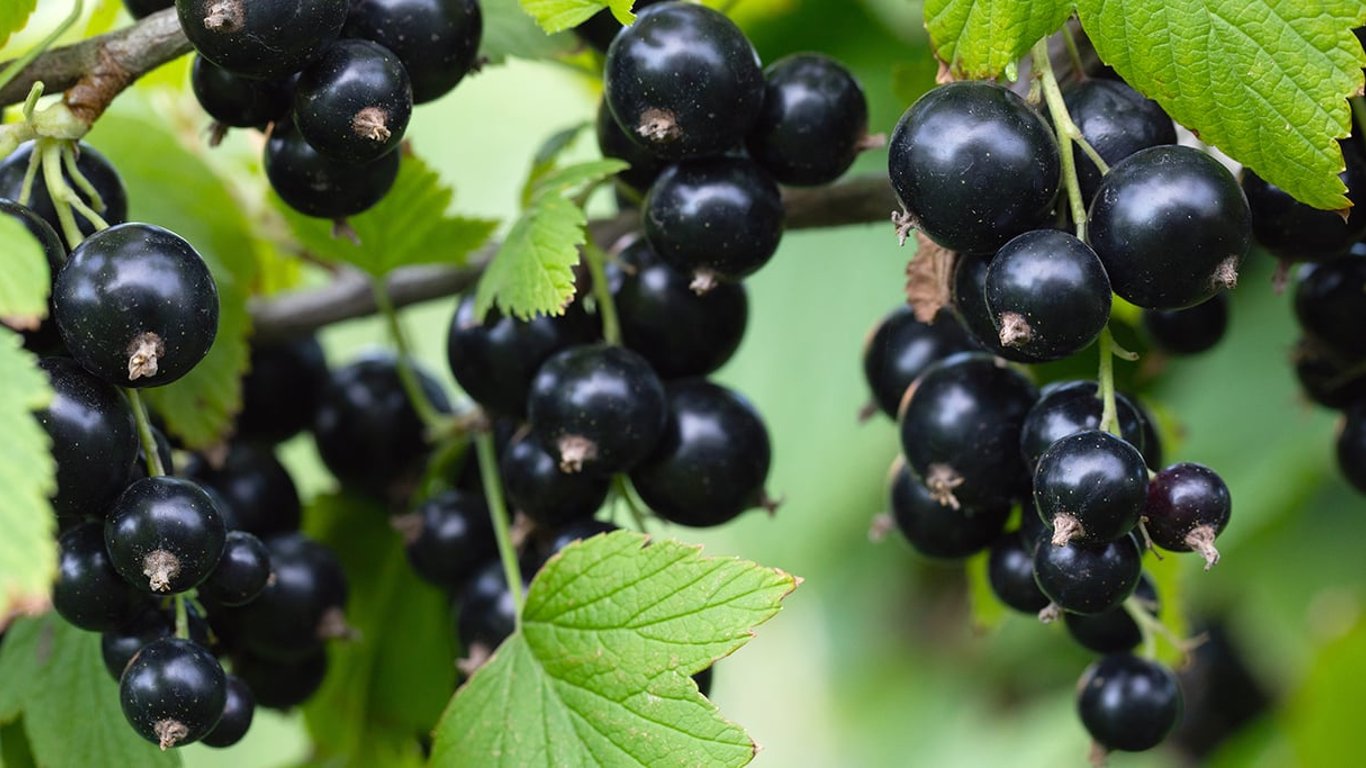
Potato Peels as a Natural Fertilizer for Currants
According to Novyny.live: Using potato peels as a natural fertilizer can significantly enhance the size and sweetness of currant berries while increasing overall yield. This common kitchen waste product is a valuable resource, containing starch, potassium, phosphorus, magnesium, and natural sugars—all essential nutrients for plant development. This organic feeding method helps currant bushes accumulate sugar and form larger fruits, directly improving harvest quality. Many gardeners are turning to such sustainable practices to reduce waste and improve soil health.
Why Are Potato Peels Beneficial for Currant Bushes?
The nutrient composition of potato peels supplies plants with vital elements that promote vigorous growth and development. They also improve soil structure by activating beneficial microorganisms, which is crucial for long-term plant health. This organic approach offers a cost-effective alternative to chemical fertilizers, as it nourishes plants while simultaneously enhancing soil quality. This creates a more resilient growing environment for your garden.
How to Apply Potato Peel Fertilizer Correctly
For best results, first dry and crush the peels. Then, dig trenches 10-15 cm deep in the soil around your plants and distribute the prepared peels within them. The optimal time for application is during spring and early summer when currant bushes are in their active growth phase and have the greatest need for additional nutrients. Following this method provides plants with all the necessary elements for healthy development and can effectively boost your currant yield.
Therefore, using potato peels as fertilizer not only increases currant productivity but also supports ecological sustainability by avoiding synthetic chemicals. This highlights the growing importance of organic gardening techniques, which are becoming increasingly popular among both farmers and home gardeners. Implementing such methods can positively impact food security and product quality, which is particularly relevant given contemporary challenges in agriculture.
Read also
- Blago Becomes Lead Partner of Lviv Fashion Week: What This Means for Ukrainian Designers
- From Johnson’s Memoir to the War of Tomorrow: 5 Must-Read Books Coming in 2026
- Forecaster Didenko Issues Weather Update for July 15: Where Rain Is Expected
- How to Choose a School Backpack: Key Factors for Your Child's Health and Comfort
- A Simple Recipe for Tomato Fertilizer Made from Yeast and Banana Peels
- Custom Door Signs Over Stock Options: How Office and Residential Navigation Is Evolving