Three Foolproof Signs and the Perfect Timing for Repotting Your Orchid.

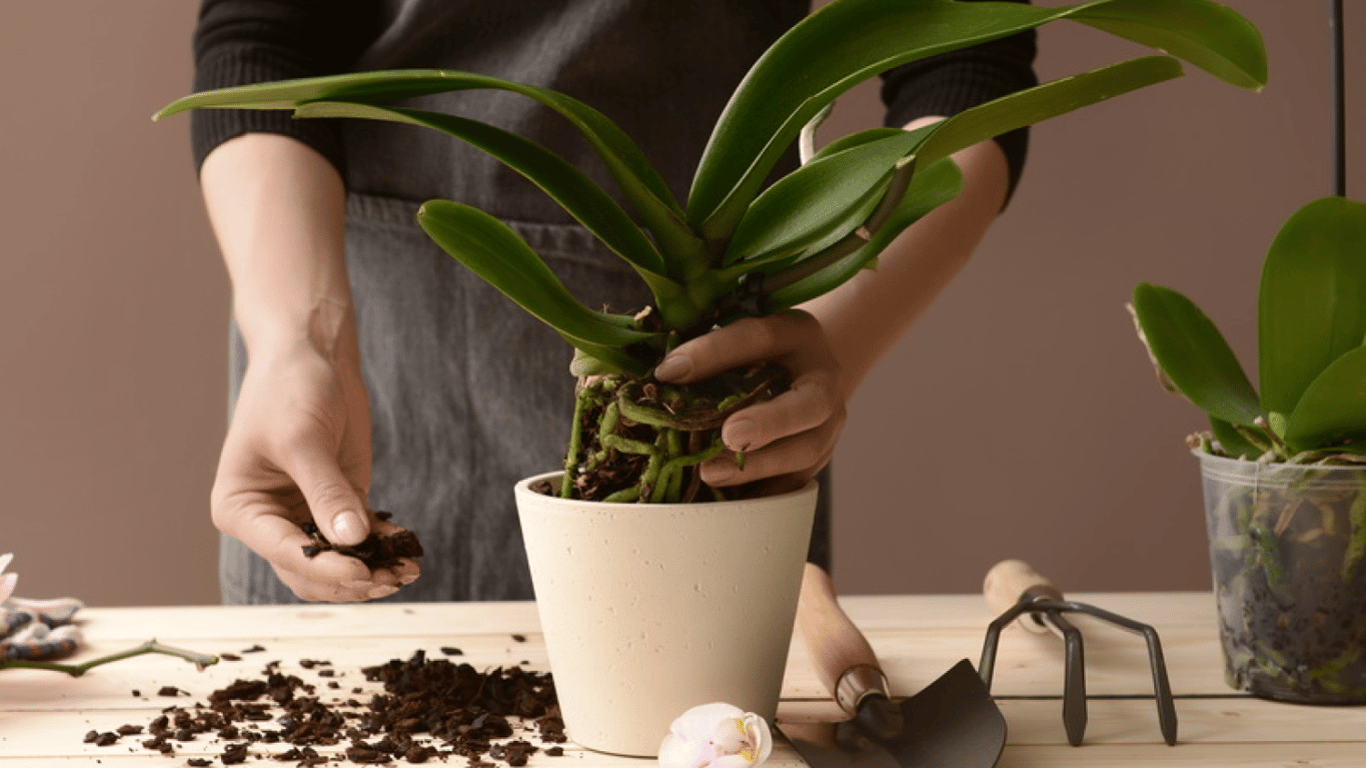
Orchid Repotting: The When and How
According to Novyny.live: Repotting is a crucial part of caring for an orchid. Knowing the right time to repot is key, and you can identify it by looking for a few clear signs while also understanding the ideal season for this task.
Signs Your Orchid Needs a New Pot
The primary indicators that a repot is necessary are:
- Roots visibly escaping the pot;
- A degraded or broken-down potting mix;
- An unexplained halt in the plant's growth.
When roots start growing over the pot's rim or out of the drainage holes, it's a signal the plant has outgrown its space. You should also check the condition of the potting medium: if the bark is decomposing and compacting, it can harm the orchid's health. Another sign to watch for is a sudden stop in growth without an obvious cause, which can also point to the need for a fresh pot and mix.
The best time to repot an orchid is after it has finished flowering and as it enters a new phase of active growth. This timing helps the plant adjust more easily to its new environment. When selecting a new pot, choose one that is only slightly larger than the previous container. This prevents issues related to excess moisture and poor root conditions, which are common problems for these epiphytic plants.
By following these straightforward guidelines, you can maintain your orchid's health and provide it with the proper care it needs to thrive.
Understanding the repotting process is essential for any orchid owner, as it is fundamental to preserving the plant's long-term health and beauty.
Proper care and timely action in response to the signs that indicate a need for repotting can significantly improve an orchid's living conditions. This, in turn, positively impacts its flowering and overall appearance. Knowledge of the optimal repotting season and the selection of a suitable growing medium also play a vital role in ensuring the long-term, successful cultivation of this elegant houseplant.
Read also
- Blago Becomes Lead Partner of Lviv Fashion Week: What This Means for Ukrainian Designers
- From Johnson’s Memoir to the War of Tomorrow: 5 Must-Read Books Coming in 2026
- Forecaster Didenko Issues Weather Update for July 15: Where Rain Is Expected
- How to Choose a School Backpack: Key Factors for Your Child's Health and Comfort
- A Simple Recipe for Tomato Fertilizer Made from Yeast and Banana Peels
- Custom Door Signs Over Stock Options: How Office and Residential Navigation Is Evolving