Compost in Just 10 Days: The Key Secrets to Rapid Waste Breakdown Revealed.

Why Fast Composting Is Gaining Popularity
According to Novyny.live: By 2026, fast composting techniques that produce finished compost in only 10 days are seeing a surge in interest. This approach is becoming increasingly relevant for people who want to make efficient use of organic waste, cut down on landfill contributions, and generate a valuable soil amendment for private or community gardens.
Essential Ingredients and Conditions for Success
To get the best results with rapid composting, you need to follow specific guidelines and use the right materials. The ideal ratio of 'green' to 'brown' components is 2:1. Your compost pile should also be sufficiently large—at least 1 meter in length, width, and height. Building a pile of this size requires about 8 to 12 buckets of green waste and 4 to 6 buckets of brown waste.
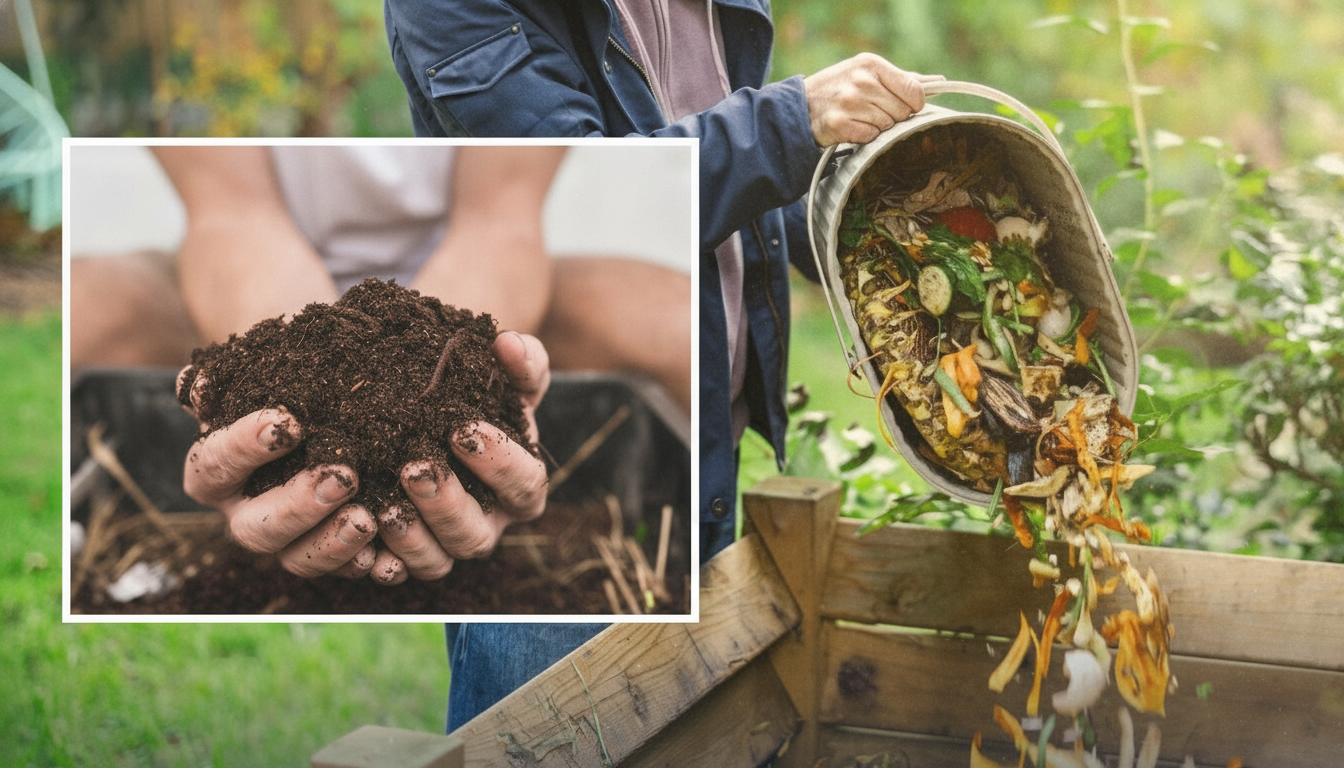
Green materials include:
- fresh grass clippings
- vegetable and fruit peels
- seed-free weeds
- used tea leaves
- coffee grounds
Brown materials consist of:
- dry leaves
- cardboard
- paper
- small twigs
Chopping these ingredients into smaller pieces is also crucial for speeding up the composting process.
For rapid composting, the pile should be as damp as a wrung-out sponge. Additionally, turning the heap every 1 to 2 days is recommended to ensure even oxygen distribution and accelerate the breakdown of organic matter. When it's ready, the compost will smell like fresh forest soil with no signs of rot—a clear indicator that it's good to use.
In short, fast composting not only helps reduce the volume of organic waste but also delivers high-quality compost for improving soil, making it a popular choice among gardeners and growers alike.
The growing interest in fast composting reflects a broader shift toward environmental awareness and sustainable living. Many individuals and organizations are looking to shrink their ecological footprint, and rapid composting offers an accessible way to achieve that goal. Successfully adopting these methods can also help change how people view organic waste—transforming it from a problem into a valuable resource.
Read also
- Blago Becomes Lead Partner of Lviv Fashion Week: What This Means for Ukrainian Designers
- From Johnson’s Memoir to the War of Tomorrow: 5 Must-Read Books Coming in 2026
- Forecaster Didenko Issues Weather Update for July 15: Where Rain Is Expected
- How to Choose a School Backpack: Key Factors for Your Child's Health and Comfort
- A Simple Recipe for Tomato Fertilizer Made from Yeast and Banana Peels
- Custom Door Signs Over Stock Options: How Office and Residential Navigation Is Evolving