What Not to Put in Your Compost Bin: A Guide to Home Composting.

Composting in Ukraine
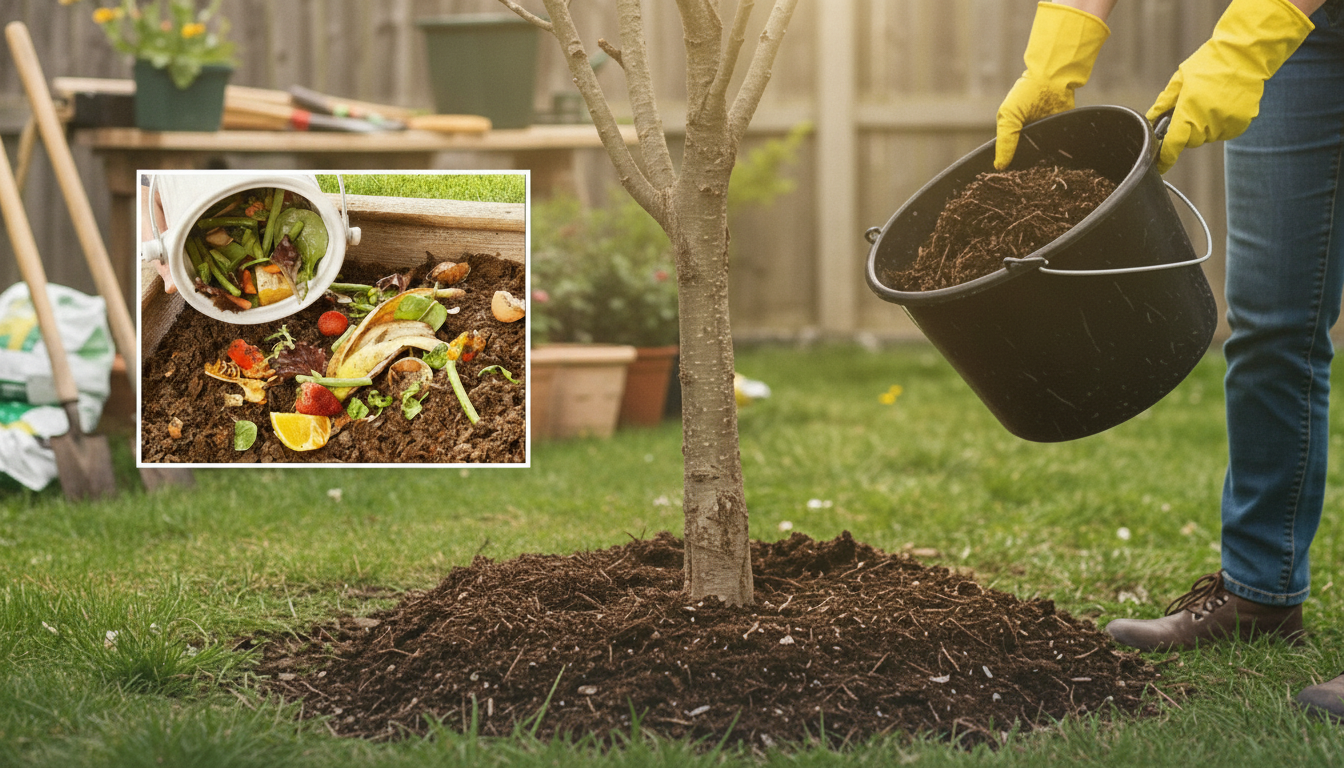
According to Novyny.live: Across Ukraine, more households are turning to composting as a practical way to manage kitchen scraps while producing nutrient-rich soil conditioner. Getting quality compost, however, depends on knowing which materials help the process and which can ruin it—along with avoiding common mistakes that slow decomposition or create odors.
Which Kitchen Scraps Are Safe for Compost?
The best ingredients include:
- fruit peels,
- vegetable trimmings,
- coffee grounds,
- tea leaves,
- cardboard and uncolored paper.
Eggshells are also a great addition, as they add calcium to the final product. But not all food waste belongs in the pile. Never add:
- meat,
- fish,
- bones,
- dairy products,
- greasy or oily leftovers,
- pet waste,
- glossy or printed paper.
It's especially important to limit large amounts of onions and garlic, since they can disrupt the composting process.
How to Set Up Composting the Right Way
Composting is a dynamic process that relies on the right conditions. In warm weather, the pile typically matures in two to three months; in colder months, it can take up to six months. Success depends on balancing dry (brown) and fresh (green) materials, ensuring good airflow, and avoiding excess moisture. Regular turning also speeds up breakdown.
You can tell the compost is working properly by its smell and texture. Finished compost should have a pleasant, earthy aroma and a uniform, crumbly feel. Common pitfalls that lead to failure include:
- too much water,
- poor aeration,
- adding banned items,
- not mixing the pile.
Any of these can seriously affect the quality of the end product.
Once ready, compost makes an excellent fertilizer for gardens. It enriches soil with nutrients, improves its structure, and helps retain moisture. By using compost, gardeners can reduce their reliance on chemical fertilizers—an important step toward more sustainable agriculture.
Composting doesn't just manage waste; it also supports environmental conservation, which is why it's becoming a key practice for many people in Ukraine.
The growing interest in composting across Ukraine reflects a broader shift in public attitudes toward ecology and sustainable living. More Ukrainians now see the value of turning waste into a useful resource, which benefits the environment. As a result, both government programs and private initiatives that promote composting may gain further momentum and support in the years ahead.
Read also
- From Johnson’s Memoir to the War of Tomorrow: 5 Must-Read Books Coming in 2026
- Forecaster Didenko Issues Weather Update for July 15: Where Rain Is Expected
- How to Choose a School Backpack: Key Factors for Your Child's Health and Comfort
- A Simple Recipe for Tomato Fertilizer Made from Yeast and Banana Peels
- Custom Door Signs Over Stock Options: How Office and Residential Navigation Is Evolving
- Best Haircuts for Thick Hair: Styles That Enhance Your Natural Beauty