The Best BBC Documentaries – A Selection of the Most Interesting Films.


Documentaries are released on screens every year, but not all of them are as grand as those produced by large companies. Therefore, BBC documentaries stand out for their scale and detail. This differentiates them from similar films.
Also, BBC documentaries always cover relevant and interesting topics. Therefore, they have a significant fan club. These films are quite diverse, and there will definitely be something to choose from.
The Best BBC Documentaries
The British Broadcasting Corporation, known for its high-quality documentary projects, has created numerous films that have become benchmarks of popular science cinema. Its documentaries cover a wide range of topics – from the depths of the ocean to outer space, from the history of humanity to future technologies. BBC films are distinguished by impeccable visual quality, a deep research approach, and an engaging way of presenting material. Each project takes years of preparation, filming in the most remote corners of the planet, and collaboration with the best operators, scientists, and narrators.
BBC is an undisputed leader in the production of documentaries about nature, history, science, and culture, having accumulated a vast film library numbering in the hundreds. Its productions are primarily marked by high artistic quality, as filming is conducted using the most modern equipment, including drones, underwater devices, and high-resolution cameras. Many films have won prestigious international awards and have become a benchmark for other studios.
Key areas include nature topics, where BBC traditionally holds a leadership position due to collaboration with leading naturalists. Significant attention is also paid to historical events that changed the course of world history, using archival materials and computer reconstruction. In addition, the corporation creates films about outstanding individuals and scientific discoveries. A distinctive feature of their style is the narration by renowned presenters, which gives the storytelling perfection. BBC's productions remain accessible to the general public through numerous channels. Overall, even the most discerning viewer will find a film to their liking.
Planet Earth (Planet Earth, 2006)

This ambitious project became the first documentary series filmed in high definition, allowing nature to be showcased with unprecedented detail. Filming lasted over five years in more than two hundred locations worldwide, involving the best operators working under extreme conditions. The film showcases diverse ecosystems – from lush jungles to icy deserts, demonstrating animal behaviors that were previously never recorded on camera. Each episode is dedicated to a specific habitat, and viewers can observe rare moments of hunting, migration, and reproduction. The narration is provided by a well-known naturalist who has been working with the BBC for decades.
The series received numerous awards, including for cinematography. A sequel released ten years later also broke new technical ground. This project transformed the perception of documentary film. Its impact on popular culture is hard to overestimate. It inspired an entire generation to study nature.
The Life of Mammals (The Life of Mammals, 2002–2003)

This ten-part project became one of the most ambitious studies of the class of mammals, covering over four thousand species. The presenter-naturist, along with the team, traveled across all continents to showcase the diversity of adaptations of these animals to different living conditions. The film explores the evolution of mammals from the simplest forms to advanced primates, including humans. Special attention is paid to social behavior, communication, and maternal instincts. Operators used the latest technologies for night and underwater filming. Each episode has a clear structure: from an overview to specific examples.
The project became a logical continuation of previous works. It received high praise from critics for its scientific accuracy. The series is available in high quality for viewing. It remains relevant today. Overall, this series is a kind of encyclopedia.
Life (Life, 2009)
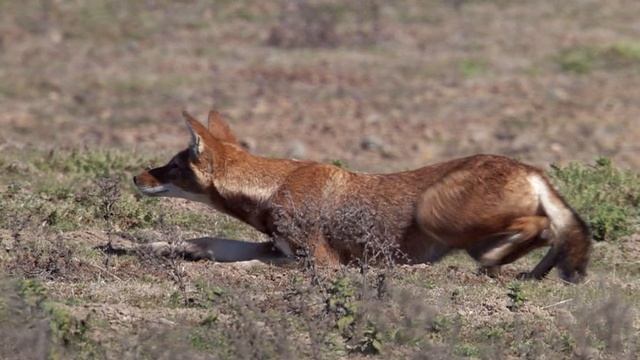
This ten-part documentary series was created three years after 'Planet Earth' and continued the tradition of impressive wildlife filming. The project focuses on various survival strategies of organisms, from microscopic to gigantic, showcasing incredible adaptations. Filming lasted four years and covered over three hundred locations, including hard-to-reach tropical forests. Each episode is devoted to a specific group of organisms, including reptiles, birds, fish, and more. A separate episode tells about plants, which also exhibit complex behaviors.
The operators captured unique footage, such as a whale hunting jumping out of the water. The presenter was also actively involved in the scriptwriting. The film received an award for best visual effects. It became a benchmark for subsequent nature projects. Overall, the film captivates with its scale and detail.
Days That Shook the World (Days That Shook the World, 2003)
This documentary series allows viewers to look at key historical events through the lens of their impact on the course of human history. Each episode focuses on one event that changed the world, starting from the assassination of Caesar to terrorist attacks. Archival footage, eyewitness accounts, and computer reconstruction are used. The film stands out for its dynamic narrative pace.

It covers political, cultural, and scientific revolutions. The project received positive reviews for its objectivity. It evokes deep emotions and encourages reflection. This series is available for viewing on various platforms. It remains relevant for studying history. Overall, it is a valuable source of knowledge.
Life on Earth (Life on Earth, 1979)
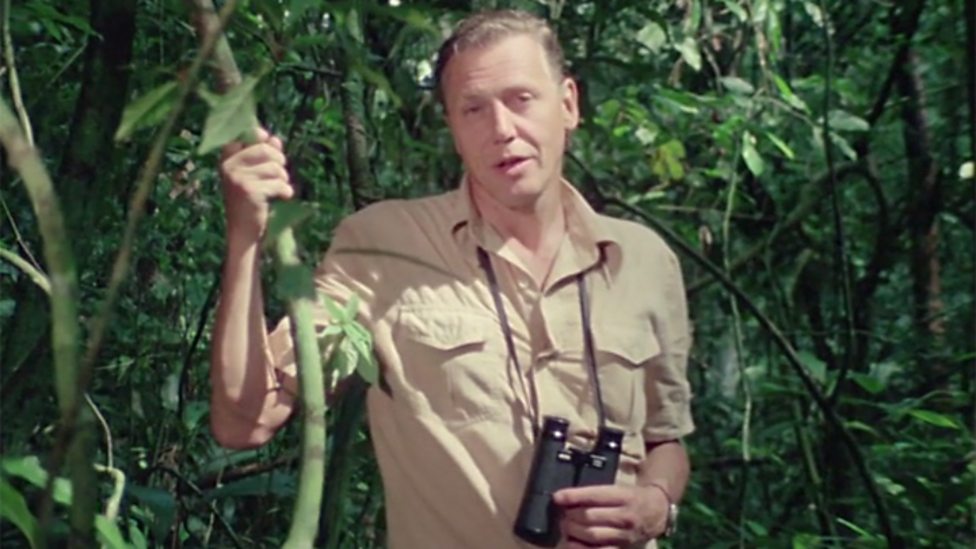
This thirteen-part project became a real breakthrough in the world of documentary cinema, as it was the first time in television history that the evolution of life on the planet was shown in such a large-scale format. The presenter, a distinguished naturalist, traveled around the world to show viewers the diversity of flora and fauna, from the simplest single-celled organisms to highly developed primates. Filming lasted more than three years and covered over one hundred different locations, including tropical forests, deserts, oceans, and polar regions. Each episode is dedicated to a specific stage of evolution, with the authors masterfully combining scientific facts with spectacular visual sequences.
This series first introduced viewers to animals such as galagos, birds of paradise, and giant pandas, making it incredibly popular. The narration is delivered in a calm, thoughtful voice, adding to the film's atmosphere of scientific discovery. The project received numerous awards and critical acclaim for its innovative approach. It became the foundation for many subsequent natural history cycles of the BBC. Its impact on education and the popularization of biology is difficult to overestimate. Many viewers first learned about the theory of evolution from this film. It showcases the amazing ability of nature to adapt. Each episode was filmed with maximum historical accuracy. Overall, 'Life on Earth' forever changed the perception of documentary filmmaking.
Frozen Planet (Frozen Planet, 2011–2012)
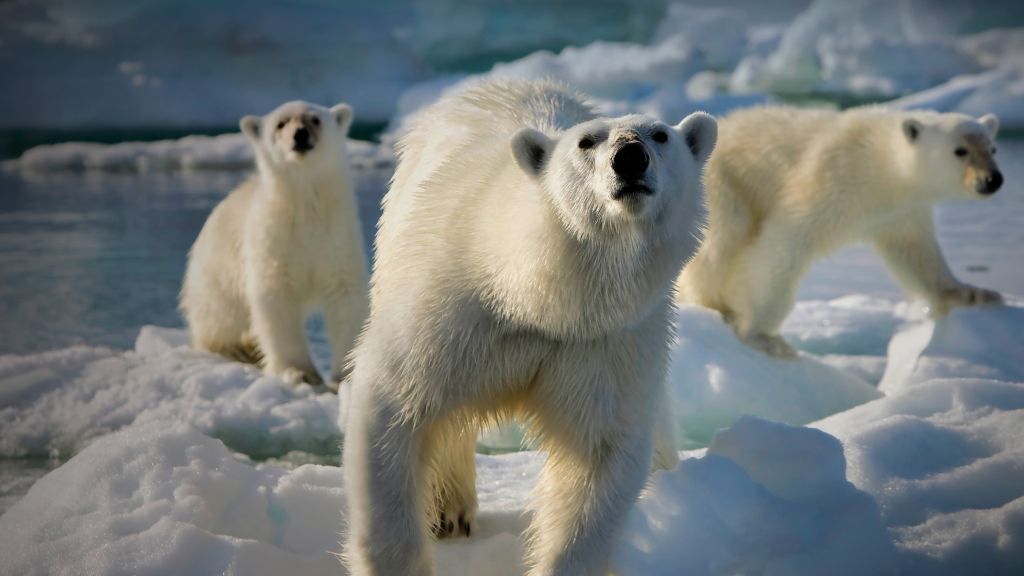
This seven-part project became the first detailed exploration of the polar regions of the Earth, showcasing life in the harshest conditions of our planet. Filming took place in the Arctic and Antarctica over four years, with operators working in extreme temperatures reaching minus sixty degrees Celsius. The film showcases unique animal behaviors, such as polar bears, penguins, walruses, and Arctic wolves. A separate episode is dedicated to climate change, which affects ice caps.
The authors used the latest technologies, including cameras that capture motion in slow motion. Each episode tells about different seasons in the polar regions. The project received an award for best cinematography. It has generated significant public resonance regarding global warming issues. The film is available for viewing with various dubbing options. It became an important contribution to the popularization of ecological knowledge. Overall, this film impresses with its beauty and depth.
Human Planet (Human Planet, 2011)

This unique eight-part project differs from other BBC films, as it focuses on human communities living in the most extreme conditions on the planet. Filming lasted over two years and covered more than forty countries, where directors captured incredible ways of human survival in mountains, deserts, jungles, and on coasts. Viewers will see tribes that still live in a primitive manner, hunting whales or descending steep cliffs without safety equipment. Each episode demonstrates the deep connection between culture and the environment, showing how ancient traditions help people survive. The project also draws attention to the problem of the disappearance of certain peoples. Operators managed to capture unique rites and rituals.
The film received positive reviews for the depth of its research. It prompts reflection on the fragility of modern civilization. The series became an important anthropological document. It sparked interest in traditional knowledge. Overall, this project offers an unusual perspective on humanity.
The Blue Planet (The Blue Planet, 2001)
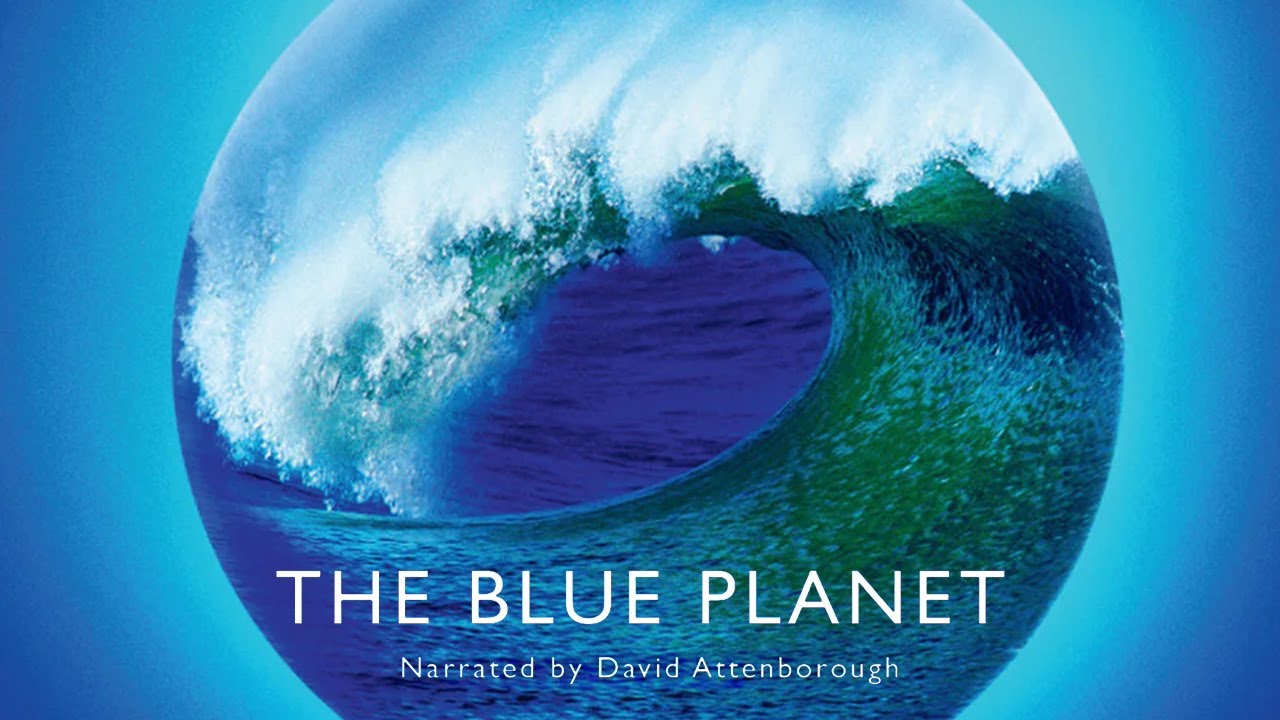
This eight-part project became the first large-scale exploration of the world's oceans, showcasing the incredible richness of the underwater world. Filming took place in various parts of the planet, including deep-sea trenches, coral reefs, and glacial seas, where operators managed to capture rare species of fish and invertebrates. The use of specialized underwater devices allowed them to dive to record depths. Each episode is dedicated to a specific oceanic environment. The film showcases complex food chains. It also highlights issues of ocean pollution.
The project won awards for visual effects. It inspired the creation of a sequel sixteen years later. This film became a foundation for educational programs. Its impact on marine ecosystem conservation is significant. Overall, the film opened a new world to humanity. The operators showcase the wonders of nature. Viewers learn about unknown species. It remains a benchmark of scientific cinema. Many shots became iconic. It is available in various formats for viewing. Overall, it is an undeniable masterpiece of documentary filmmaking. Each episode captivates with its atmosphere. It encourages the protection of nature. This project will remain in history forever. Its grandeur impresses. It confirms its status as a leader. Scientific consultants ensured reliability. The team worked under challenging conditions. The result exceeded expectations. It deserves everyone's attention. It influenced the development of the genre. It remains in the memory of viewers. Each episode is filled with interesting facts. It remains popular today. Overall, it marks a milestone in film history. It teaches to love nature. Its beauty is immortal. It remains relevant always.
Comics Britannia (Comics Britannia, 2007)
This three-part documentary project offers an in-depth look at the history of British comics, which have shaped the cultural landscape of the country for decades. The film begins with early print editions that appeared during the Victorian era and traces the evolution of the genre to modern graphic novels that gained global recognition. Viewers will learn about iconic series such as 'Lake', 'Dennis the Menace', and 'Judge Dredd', which became symbols of British popular culture. Special attention is paid to the influence of comics on society, particularly on shaping the worldview of several generations of readers. The filmmakers use archival materials, interviews with creators and collectors, as well as animated inserts that bring old drawings to life.

The series discusses periods of decline and revival in the industry. It explores the social context in which comics were created. The project also highlights the role of comics during wartime. It shows how the genre adapted to new media. The film received favorable reviews for its depth of research. It became an important source of knowledge about the history of publishing. The film showcases unique examples of original pages. It emphasizes the importance of preserving cultural heritage. Each episode focuses on a specific period. The project will interest both genre enthusiasts and scholars. It shows how comics influence cinema. The series contains unique footage from fan conventions. The narration is delivered dynamically, without excessive academia. The series became an important milestone in the study of mass culture. It reminds of the significance of visual storytelling. Overall, this project is a vivid testament to the cultural richness of Britain. It emphasizes that comics are a legitimate art form. It is worth seeing for anyone interested in media history. It remains relevant for the modern viewer.
The film inspires a rethinking of familiar images. It proves that comics go beyond entertainment. Each episode concludes with an analysis of its cultural impact. The series is available on various platforms. It deserves attention for its uniqueness. Overall, it is a must-watch for fans of the genre.
A Perfect Planet (A Perfect Planet, 2021)
This five-part project became one of the most ambitious natural history cycles, exploring how various forces of nature – volcanoes, sunlight, weather, and oceans – create conditions for life on Earth. Each episode focuses on a specific factor that influences the balance of ecosystems, demonstrating the amazing interconnections between geology, climate, and biodiversity. Filming took place on all continents, including hard-to-reach areas such as the peaks of the Himalayas and the ocean floor. The operators managed to capture rare natural phenomena, including volcanic eruptions, auroras, and migrations of vast herds of animals.
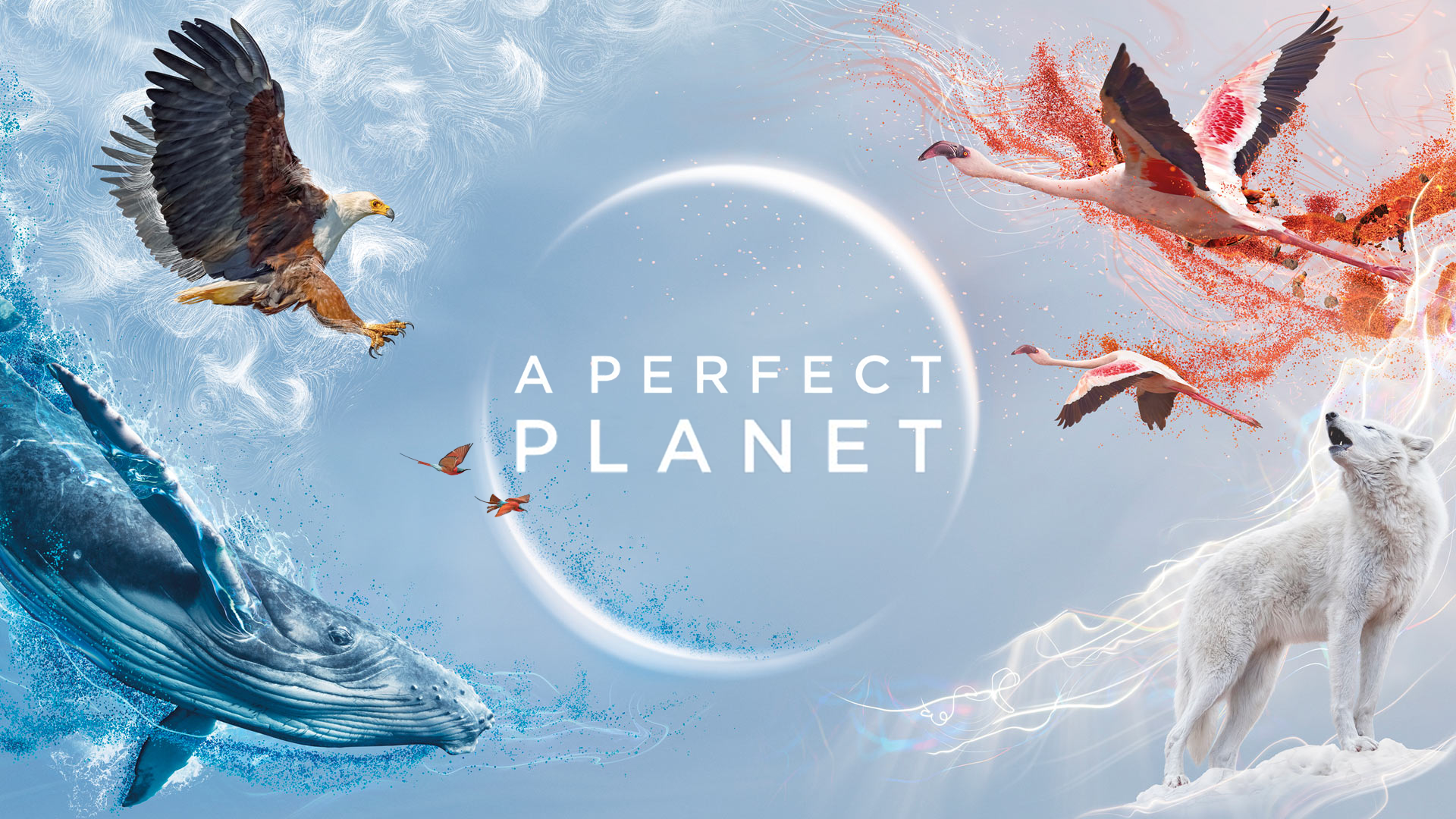
The film also highlights the impact of human activity on the planet, showing how climate change threatens the fragile balance. The presenter, as in many previous projects, accompanies the narration with characteristic insight. The project received awards for visual effects and cinematography. It became popular with viewers of all ages. The series inspires environmental protection. It demonstrates the importance of conserving natural resources. Each episode contains scientific comments from experts. The film has become an important educational tool.
Overall, documentary films have become a new trend: they are more popular than ever in the history of cinema. Therefore, film companies invest significant resources in them, which is immediately reflected in the quality of the picture.
Read also
- Spice Girls' Mel C ties the knot for the first time in a wedding dress designed by Victoria Beckham
- Olena Kravets Reveals How Her Twins Celebrate Their 10th Birthday: Katya at Home, Vanya at Soccer Camp
- Ukrainian Actor Volodymyr Gladky Ties the Knot: Wedding Details Revealed
- Motivational Movies: Top Best Films for Inspiration and Self-Development
- Zendaya Announces a Career Break: What Led the Actress to Step Back
- Olga Gorbachova and Yuriy Nikitin Split Again: What Happens to Their Daughters Now