A Coop Without a Heater: How Corn Cobs Can Keep Chickens Warm.

Keeping Chickens Warm Naturally: The Corn Cob Bedding Method
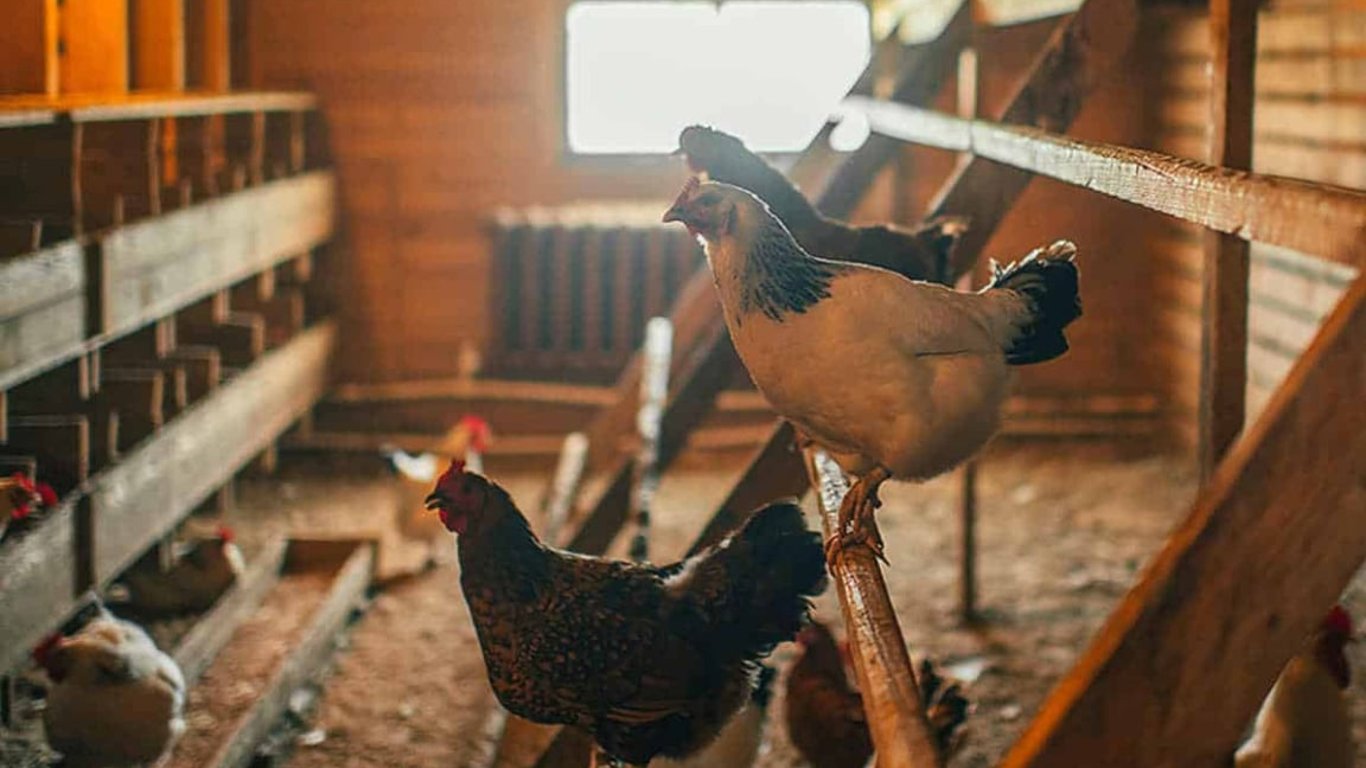
According to Novyny.live: For poultry keepers, selecting the right coop bedding is crucial for maintaining warmth, reducing moisture, and boosting bird health, especially in winter. An effective and often overlooked solution is using corn cobs as bedding, which can create a comfortable environment for hens without relying on electric heaters.
Corn cobs possess natural properties that make them highly suitable for this purpose. They are excellent at absorbing moisture, neutralizing odors, and are an eco-friendly, renewable material. The air pockets within the cobs provide superior insulation, trapping heat effectively during cold snaps. This natural thermal regulation helps maintain an optimal temperature in the coop, ensuring bird comfort without supplementary heating.
Weighing the Pros and Cons of Corn Cob Bedding
However, this method does come with considerations. Corn cobs are typically more expensive than traditional bedding options like wood shavings or straw. Furthermore, the bedding requires regular replacement, as soiled material can increase the risk of bacteria and parasites. Consistent monitoring and timely refreshment of the litter are therefore essential to prevent negative health impacts on the flock.
- Superior moisture absorption.
- Effective odor neutralization.
- An eco-friendly, sustainable material.
- Provides excellent heat retention.
- Higher cost compared to traditional bedding.
- Requires periodic replacement and maintenance.
Overall, using corn cobs as bedding can significantly enhance coop conditions by providing consistent warmth and dryness. This directly contributes to improved poultry well-being and productivity. For small-scale and backyard farmers, this represents a viable, low-tech approach to winter management.
The adoption of innovative, eco-friendly practices like corn cob bedding is a step toward more sustainable and resilient farming. In an era of climate uncertainty, finding ways to maintain optimal livestock conditions with fewer resources is increasingly important. Farmers must, however, carefully balance the benefits against their operational costs and specific needs to determine if this solution is right for their operation.
Read also
- Blago Becomes Lead Partner of Lviv Fashion Week: What This Means for Ukrainian Designers
- From Johnson’s Memoir to the War of Tomorrow: 5 Must-Read Books Coming in 2026
- Forecaster Didenko Issues Weather Update for July 15: Where Rain Is Expected
- How to Choose a School Backpack: Key Factors for Your Child's Health and Comfort
- A Simple Recipe for Tomato Fertilizer Made from Yeast and Banana Peels
- Custom Door Signs Over Stock Options: How Office and Residential Navigation Is Evolving