Bay Leaves in the Garden: A Natural Shield Against Pests and Disease.

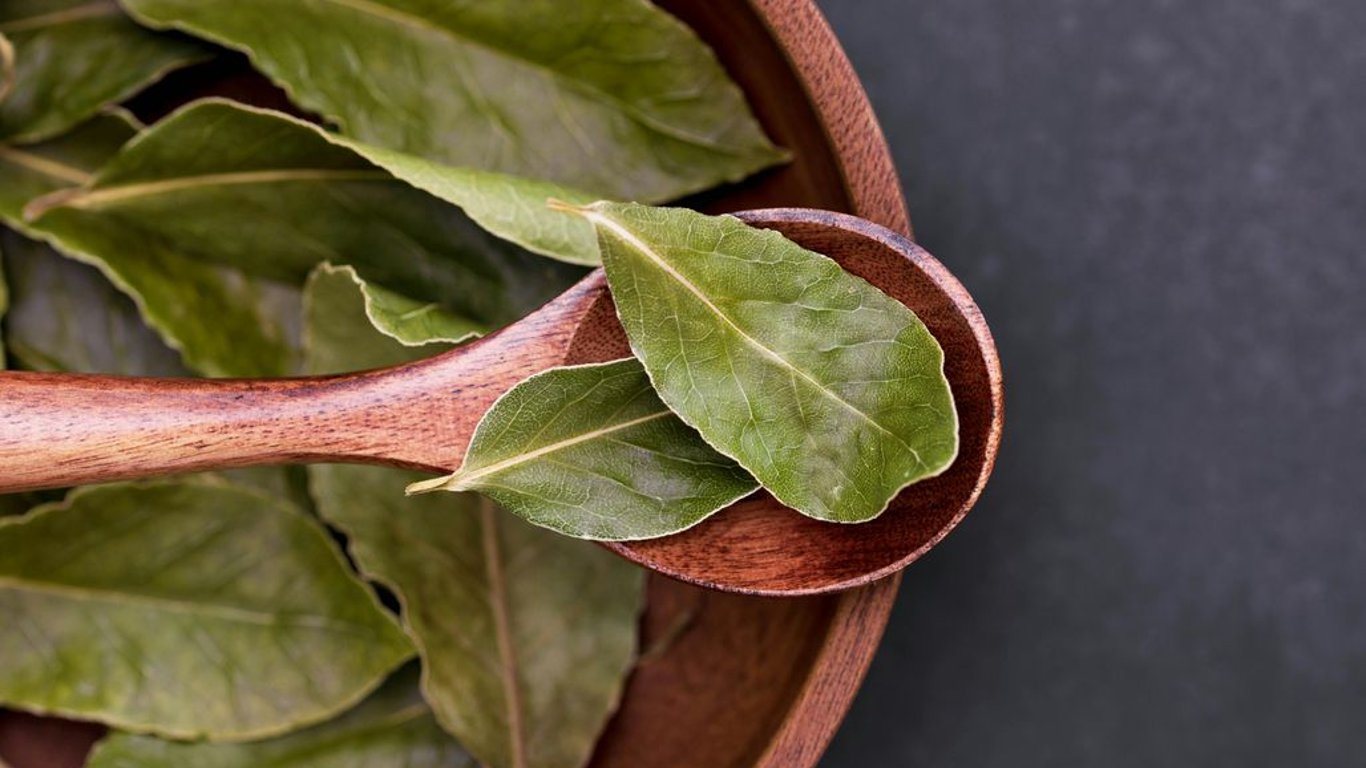
The Benefits of Bay Leaves
According to Novyny.live: Beyond their culinary aroma, bay leaves possess beneficial properties that make them a powerful, natural plant protector. Gardeners are increasingly turning to this botanical solution as an eco-friendly method to repel pests, inhibit fungal diseases, and enrich the soil, reducing reliance on harsh chemicals.
How Bay Leaves Work
The effectiveness of bay leaves stems from their essential oils and tannins, which produce a strong scent. This aroma is intolerable to common garden pests such as:
- Aphids,
- Ants,
- Cabbage flies,
- Wireworms.
Consequently, bay leaves serve not only as a protective barrier but also as a preventative measure in integrated pest management.
In disease prevention, bay leaves also show significant promise. They can help reduce the risk of 'damping-off' disease and slow the development of blight, which is crucial for maintaining overall plant health. This makes them a tool for both protection and strengthening plant resilience.
Furthermore, decomposing bay leaves act as a natural soil amendment. They enrich the earth with micronutrients, fostering better plant growth and development. This is an excellent strategy for gardeners aiming for healthy, productive harvests through organic means.
The growing popularity of bay leaves among gardeners reflects a broader shift towards ecological farming practices. This aligns with modern trends in environmental conservation, where using natural plant protectors can improve crop quality and support global efforts toward more sustainable agriculture.
Read also
- Blago Becomes Lead Partner of Lviv Fashion Week: What This Means for Ukrainian Designers
- From Johnson’s Memoir to the War of Tomorrow: 5 Must-Read Books Coming in 2026
- Forecaster Didenko Issues Weather Update for July 15: Where Rain Is Expected
- How to Choose a School Backpack: Key Factors for Your Child's Health and Comfort
- A Simple Recipe for Tomato Fertilizer Made from Yeast and Banana Peels
- Custom Door Signs Over Stock Options: How Office and Residential Navigation Is Evolving