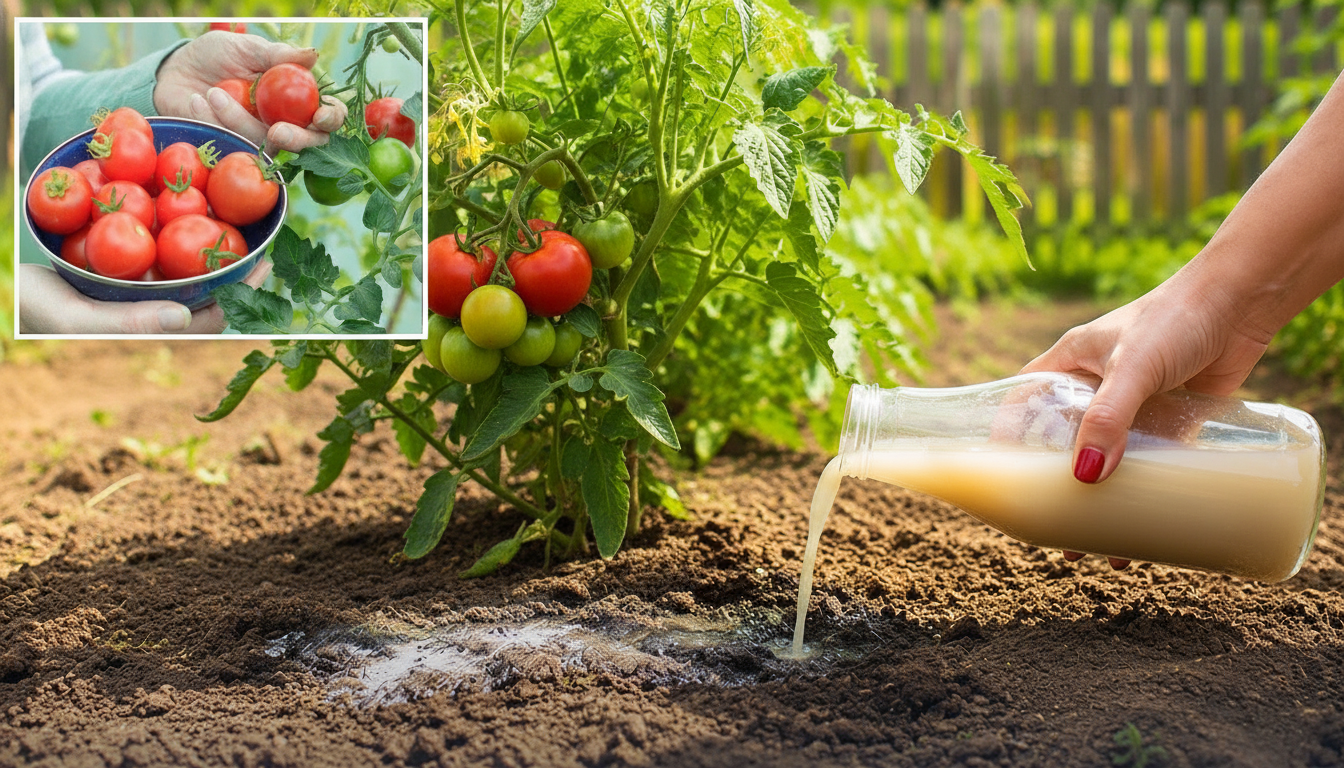
A Gardener's Guide: Using Milk as a Natural Fertilizer for Seedlings.

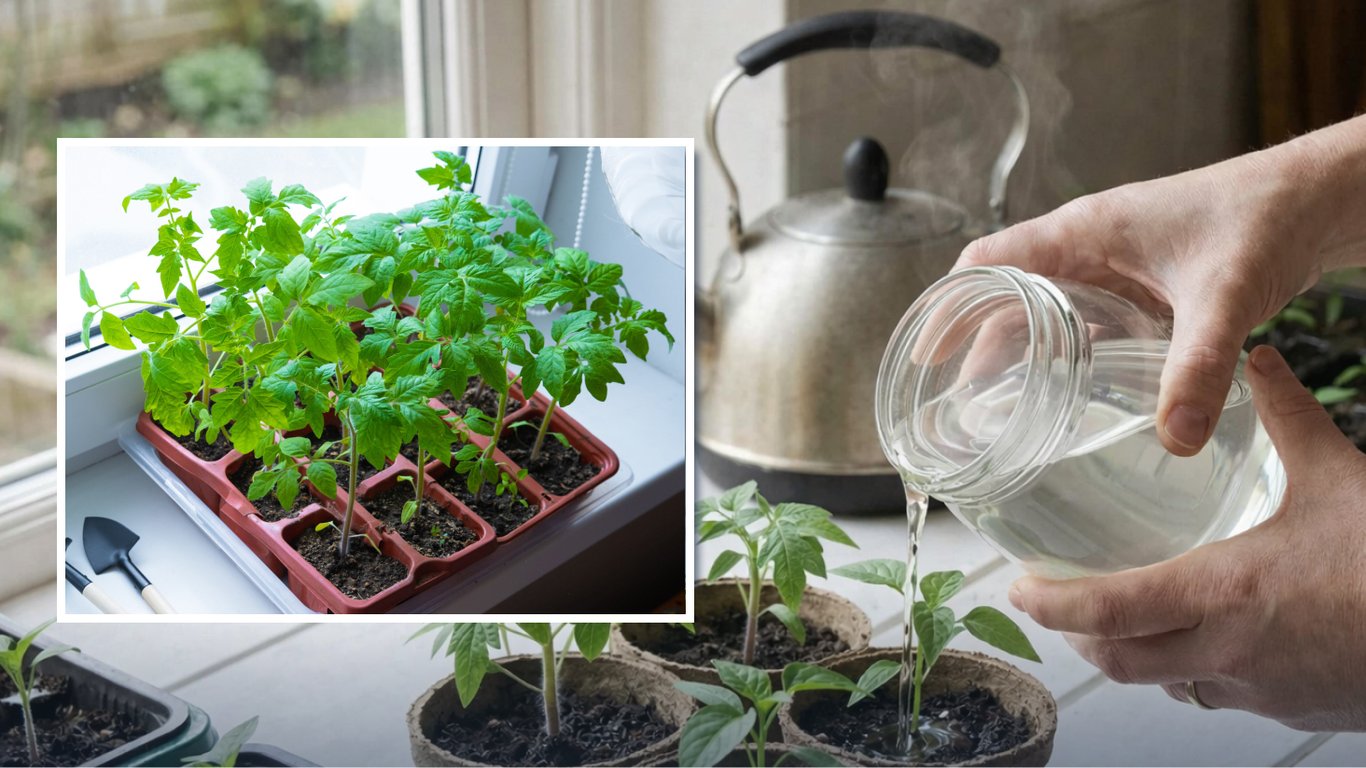
The Benefits of Milk for Nourishing Seedlings
According to Novyny.live: Milk can serve as an affordable plant food for seedlings due to its composition of calcium, proteins, and trace elements. Calcium is a particularly crucial nutrient for plant development. A deficiency in calcium can adversely affect the growth of sensitive crops like tomatoes, peppers, and squash, which rely heavily on this mineral.
How to Apply Milk Fertilizer Correctly
For feeding seedlings, milk should be diluted with water at a 1:1 ratio. Apply the solution directly to the soil at the base of the plants, but no more frequently than once every 10 to 14 days to prevent potential harm. This milk mixture is especially beneficial at the first signs of calcium deficiency, during the active leaf growth phase, for preventing fungal diseases, and after transplanting seedlings.
However, specific guidelines must be followed when using milk:
- Avoid using it undiluted, as excessive milk can promote bacterial growth.
- The fat in whole milk can clog a plant's leaf pores.
- Using skimmed milk may increase the risk of soft rot developing.
Adhering to these recommendations will support healthy seedling development and encourage robust growth.
Using milk as a plant supplement can be a valuable practice for farmers and gardeners aiming to improve crop quality. This household solution offers a way to reduce expenses on commercial fertilizers while still providing essential micronutrients. For many home gardeners, finding effective and economical alternatives is a constant pursuit. It is vital, however, to monitor dilution ratios and application conditions to avoid negative side effects and ensure plants thrive.
Read also
- Blago Becomes Lead Partner of Lviv Fashion Week: What This Means for Ukrainian Designers
- From Johnson’s Memoir to the War of Tomorrow: 5 Must-Read Books Coming in 2026
- Forecaster Didenko Issues Weather Update for July 15: Where Rain Is Expected
- How to Choose a School Backpack: Key Factors for Your Child's Health and Comfort
- A Simple Recipe for Tomato Fertilizer Made from Yeast and Banana Peels
- Custom Door Signs Over Stock Options: How Office and Residential Navigation Is Evolving