Carrot Companions for 2026: Boost Your Harvest with the Right Plant Neighbors.

Carrot Companions for 2026: Boost Your Harvest with the Right Plant Neighbors
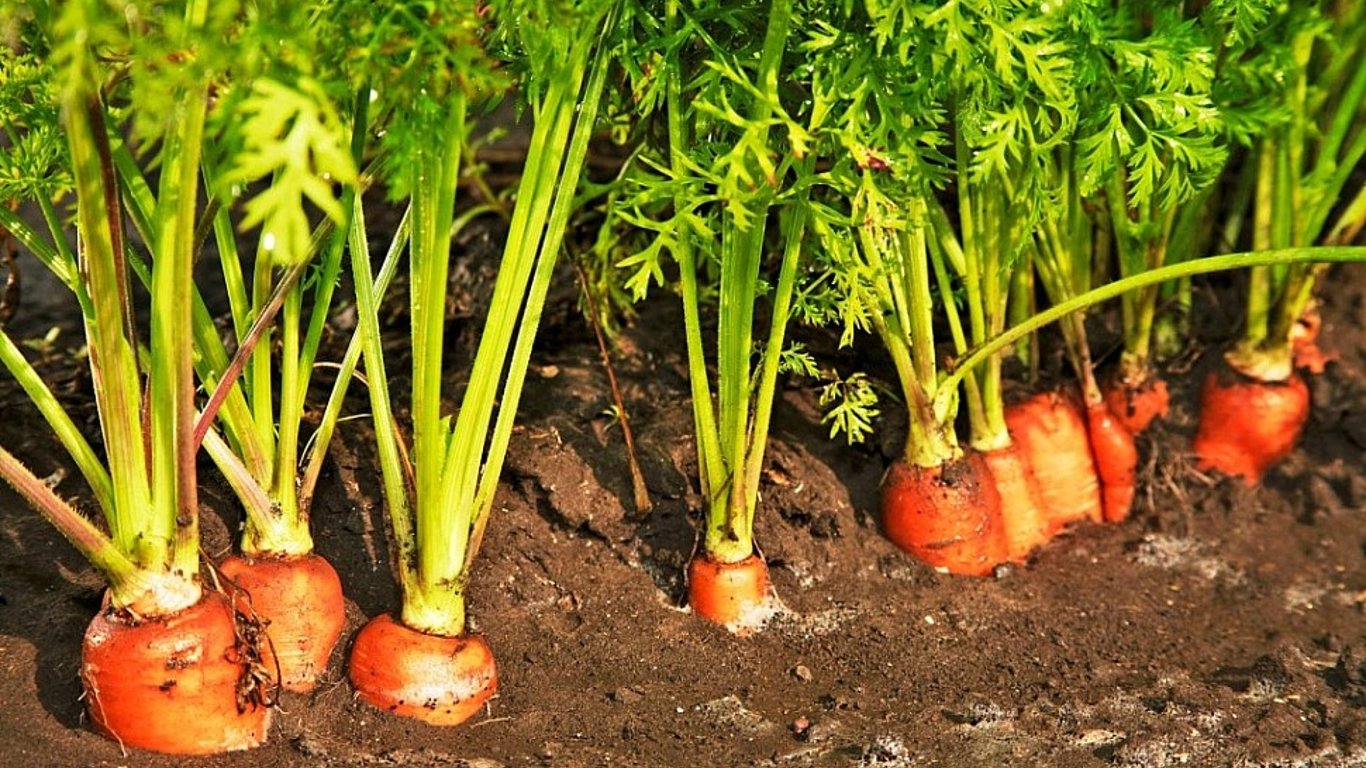
According to Novyny.live: For the 2026 growing season, the success of your carrot crop will depend heavily on the plants you choose to grow alongside it. Strategic companion planting not only boosts yield but also improves overall soil health, which is crucial for producing high-quality vegetables. This method is a cornerstone of sustainable gardening, helping to reduce the need for chemical interventions.
Best Companions for Carrots
Among the most beneficial neighbors for carrots are:
- Onions: They repel pests and protect carrots from the destructive carrot fly.
- Legumes (Beans/Peas): These plants enrich the soil with nitrogen, stimulating robust root growth.
- Garlic: Helps reduce the risk of pest infestations.
- Sage: Creates an aromatic barrier that deters many insects.
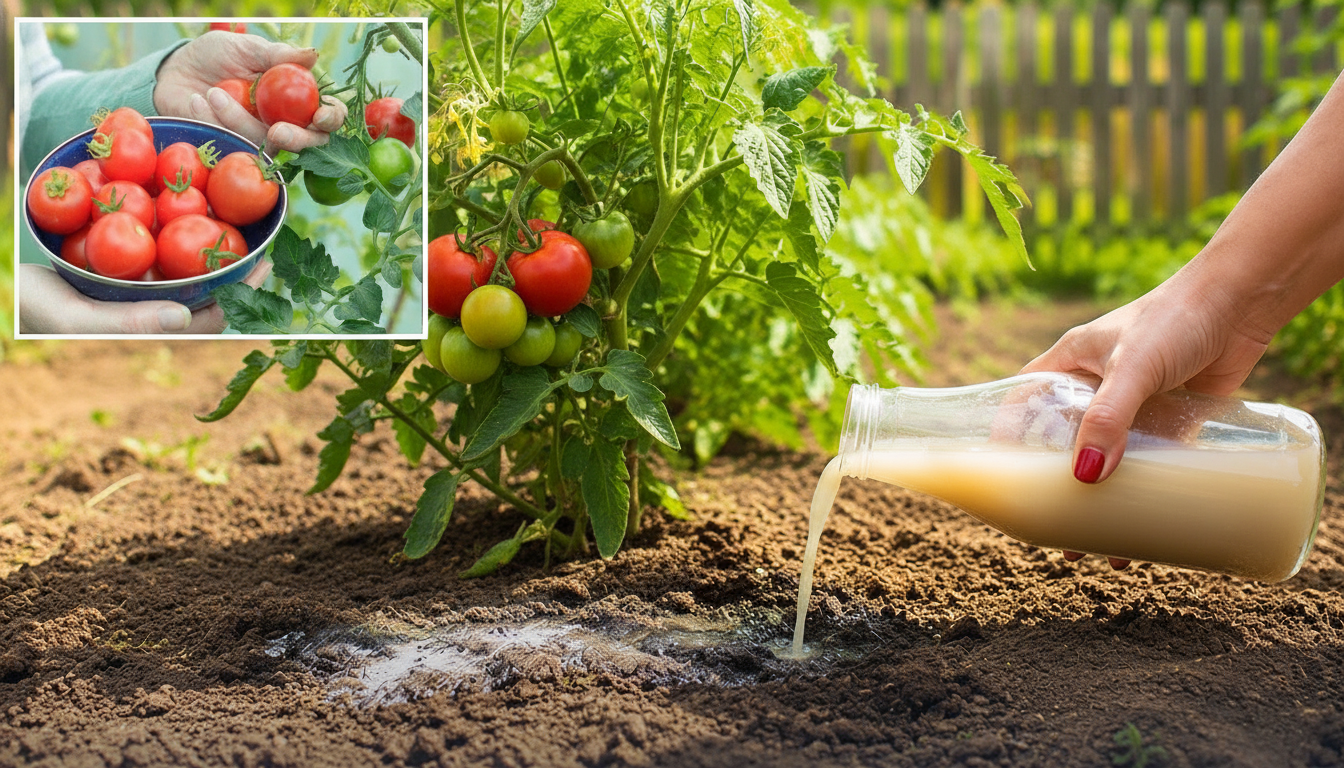
- Tomatoes: They do not compete with carrots for the same nutrients.
- Radishes: Their growth helps to loosen the soil, providing carrots with ample space to develop.
Plants to Avoid Near Carrots
However, some plants are best kept away from your carrot patch:
- Horseradish: Can alter the flavor of carrots, making them taste bitter.
- Beetroot: Competes aggressively for moisture and soil nutrients.
- Dill: Slows carrot growth and creates resource competition.
Why is proper companion planting so important? The plants you choose to grow together can significantly impact the health and productivity of your entire garden. Therefore, when planning your 2026 beds, it's essential to consider which combinations are mutually beneficial and which are detrimental. The right pairings will help ensure a bountiful carrot harvest.
Growing carrots with compatible neighbors is a key principle of modern horticulture, as it directly affects resource efficiency and overall crop productivity. Understanding which plants thrive together allows gardeners and farmers to optimize their plots and minimize risks from pests and diseases. In 2026, with ongoing climate shifts and a growing emphasis on ecological farming, these time-tested techniques will be more valuable than ever.
Read also
- Blago Becomes Lead Partner of Lviv Fashion Week: What This Means for Ukrainian Designers
- From Johnson’s Memoir to the War of Tomorrow: 5 Must-Read Books Coming in 2026
- Forecaster Didenko Issues Weather Update for July 15: Where Rain Is Expected
- How to Choose a School Backpack: Key Factors for Your Child's Health and Comfort
- A Simple Recipe for Tomato Fertilizer Made from Yeast and Banana Peels
- Custom Door Signs Over Stock Options: How Office and Residential Navigation Is Evolving