Early Spring's Hardy Bloomers: Hellebores and Winter Aconites for Your Garden.

Spring Blooms That Brave the Cold
According to Novyny.live: As winter recedes, gardeners can welcome the season with resilient flowers like hellebores and winter aconites. These plants are exceptional for early spring, with hellebores often blooming beneath a blanket of snow and winter aconites (Eranthis) appearing as the snow melts. They not only add vibrant color but also symbolize nature's renewal. For gardeners in temperate climates, these are among the first reliable sources of color after months of dormancy.
Cultivating Hellebores and Winter Aconites
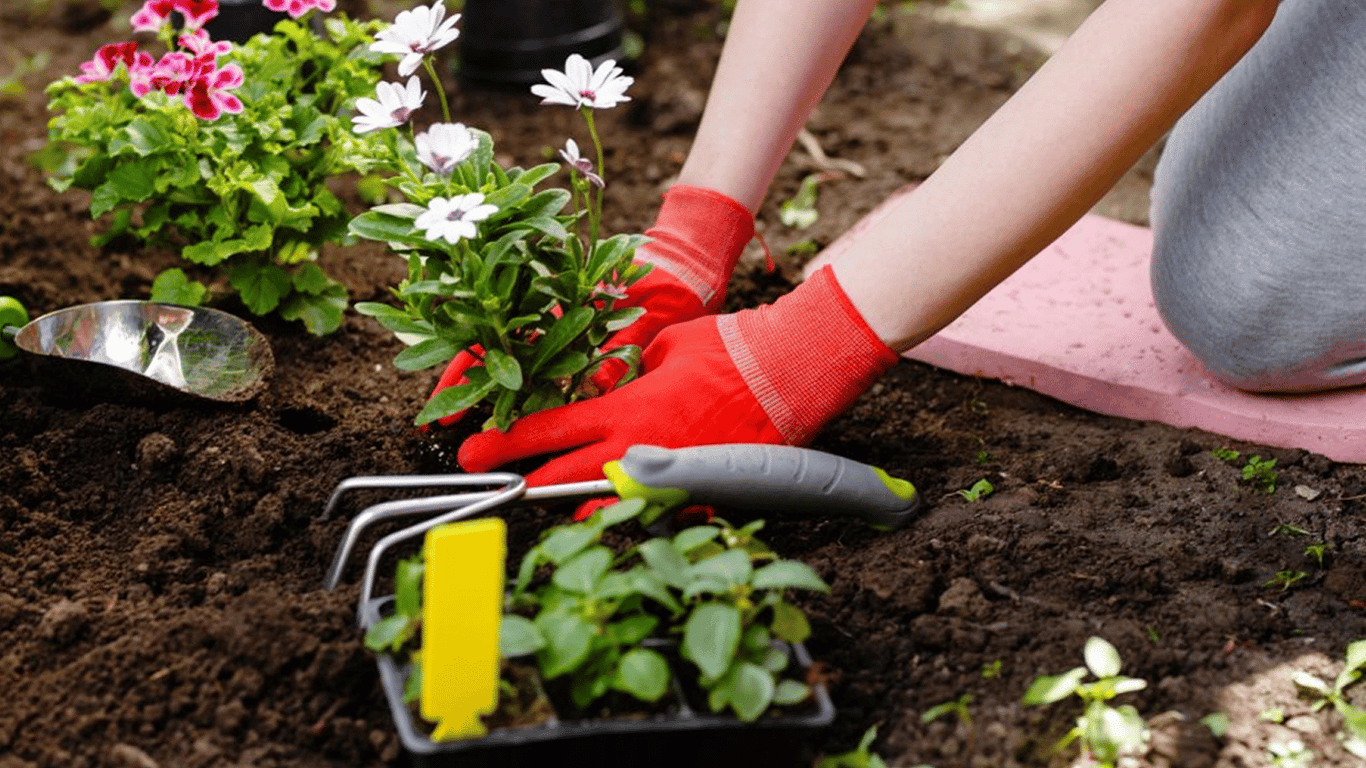
Hellebores, also known as Lenten roses, require specific planting techniques. A hole approximately 30 cm (12 inches) deep provides the ideal conditions for their root development. Proper care involves consistent watering and protection from severe frosts, which enables these remarkable plants to flower successfully even during cold snaps.
Winter aconites, often called the first flower of March, also need appropriate attention. Planting them in a shallow hole just 5-7 cm (2-3 inches) deep is sufficient for their root system. These bulbs can be planted in either autumn or early spring, offering gardeners flexibility to schedule this task according to their availability and local weather patterns.
- Hellebore: Plant in a 30 cm (12 inch) hole, water regularly, provide frost protection.
- Winter Aconite: Plant in a 5-7 cm (2-3 inch) hole, suitable for autumn or spring planting.
Both plants are iconic heralds of spring, capable of beautifying any garden space. Correct planting and diligent care ensure their prolific blooming and healthy growth, making them a favored choice among gardening enthusiasts. Their toughness and early bloom time make them invaluable for extending the garden's flowering season.
Thanks to their ability to flower in chilly conditions, hellebores and winter aconites serve as the first true signs of spring for many. These plants are not only visually appealing but also well-adapted to harsh climates, making them perfect candidates for low-maintenance landscaping. Choosing such hardy flowers can also support garden biodiversity, as they provide crucial early nectar and pollen for emerging pollinators when few other food sources are available.
Read also
- Blago Becomes Lead Partner of Lviv Fashion Week: What This Means for Ukrainian Designers
- From Johnson’s Memoir to the War of Tomorrow: 5 Must-Read Books Coming in 2026
- Forecaster Didenko Issues Weather Update for July 15: Where Rain Is Expected
- How to Choose a School Backpack: Key Factors for Your Child's Health and Comfort
- A Simple Recipe for Tomato Fertilizer Made from Yeast and Banana Peels
- Custom Door Signs Over Stock Options: How Office and Residential Navigation Is Evolving