The Night of Saint Lucia: how the fire ritual drives away the longest darkness of Scandinavia.

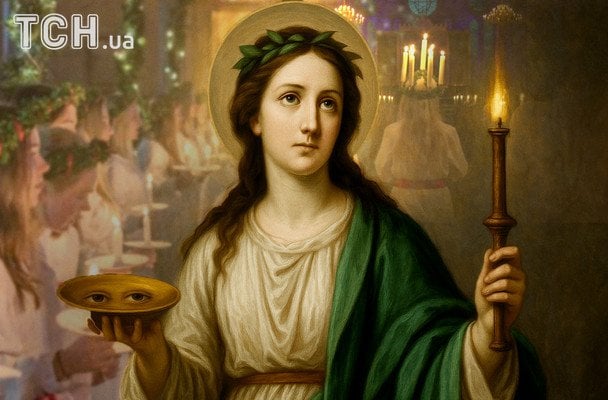
According to ТСН: In Sweden, Norway, and partly in Finland, December 13 is considered one of the most mysterious dates of the winter calendar. In the past, this night was regarded as the longest and most dangerous: spirits wandered the world, animals became restless, and people had to protect their homes from evil. The appearance of Saint Lucia, a girl in white attire wearing a crown of fire, symbolized the arrival of light, hope, and order in chaos.
Fire Crown: symbolism and dangerous ritual
The role of Lucia is usually taken by the oldest girl in the family or community. She wears a white dress and a crown of candles secured in special metal holders or among branches of juniper. According to legends, the fire is believed to cleanse the home of darkness, bring blessings and protection. Despite modern safety measures, this ritual remains one of the most hazardous winter ceremonies in Europe.
The Night of Saint Lucia: songs, processions, and the magic of morning light
In cities, festive processions take place: leading is Lucia with candles, followed by “the girls of light” and boys in tall hats with stars. They perform ancient songs about the return of the day, treat people with sweet buns called 'lussekatter', and bring wishes of clarity and well-being into homes.
In many regions, it is still believed that the behavior of candlelight during the procession can predict success, harvest, and even the weather on Christmas Eve.
Ancient pagan roots
Despite its Christian name, the holiday has much older roots. The Scandinavians had cults of goddesses of light and winter spirits, and the night of December 13 was considered a time for transitions between worlds. Lucia in the modern context has become a synthesis of these beliefs — a feminine symbol of light, bringing confidence that darkness will soon retreat.
The feast of Saint Lucia is celebrated not only as a religious event but also as a cultural phenomenon, uniting people in the pursuit of light, goodness, and harmony. It provides Europeans with the opportunity to remember ancient traditions, find commonality in festive rituals, and preserve the rich cultural heritage of their ancestors.
Read also
- White Acacia Kvass: A Step-by-Step Guide from Klopotenko
- A 30-Minute No-Bake Lemon Dessert: Easy Recipe with Everyday Ingredients
- Easy Pickled Tomatoes for Winter: The Perfect Brine Recipe Using 1 Liter of Water
- A 15-Minute Dinner That Feels Like a Feast: Carbonara-Style Potatoes with Bacon and Cream Sauce
- A Quick 5-Minute Homemade Gravy: Simple Ingredients, Big Flavor
- Hairstyles That Wreck Fine Hair: Top Mistakes to Avoid