The Best Polish Films: Cult Classics and Popular Movies.
Although Poland may be far from Hollywood, its film industry is thriving in its own right. Therefore, the best Polish films can be gathered into a single TOP list: however, it will vary for each cinema lover.
In general, the best Polish films are quite diverse. The Polish cinema has deep roots and a recognizable style that combines deep emotionality, historical memory, and masterfully constructed dramaturgy. For decades, Polish directors have created films that resonate with significant societal events, cultural codes, and moral dilemmas.
Many of these films have become cult classics not only in Poland but also far beyond its borders, receiving awards at prestigious festivals and recognition from international audiences. Polish cinema has a unique ability to blend drama with human warmth, history with personal experiences, and complex issues with an accessible artistic language. Therefore, it is considered one of the most interesting phenomena in European cinema culture today, capable of captivating, moving, and prompting reflection on the complicated pages of life.
The Best Polish Films
The best Polish films are not just entertainment; they are a profound look at human nature, history, choice, and fate. Polish directors skillfully use cinema as a tool for understanding national tragedies, social changes, and inner conflicts that are familiar to everyone. Notable works by Andrzej Wajda, Krzysztof Kieślowski, Jerzy Hoffman, and contemporary authors showcase a variety of themes: from war dramas and romantic stories to crime thrillers and psychological films. Often, these films feature bright visual solutions, deep symbolism, and strong performances, allowing the viewer to deeply immerse themselves in the story. This is why Polish cinema remains relevant, and cult films are revisited again and again, uncovering something new each time.
With Fire and Sword
It's definitely worth starting with this film. «With Fire and Sword» is one of the most famous Polish historical films, adapted from the novel by Henryk Sienkiewicz. The film transports the viewer to the 17th century, during the Cossack uprising led by Bohdan Khmelnytsky. This epic canvas features gripping battle scenes, vivid characters, and dramatic events unfolding against the backdrop of the conflict between the Commonwealth and Ukrainian Cossacks.
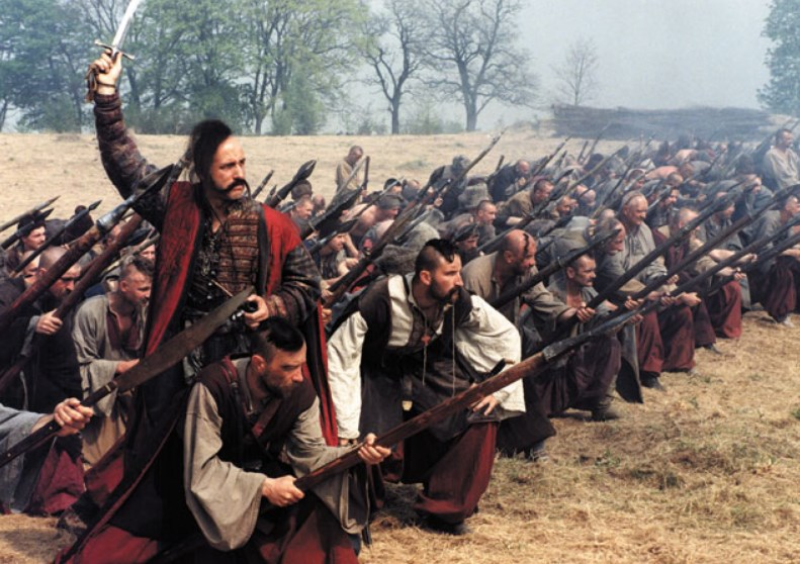
The film combines an adventurous plot with a romantic storyline, revealing both the scale of history and the personal experiences of the characters. Director Jerzy Hoffman has created a spectacular adaptation that has become part of Poland's cultural heritage. Despite the artistic interpretation of historical events, the film conveys the atmosphere of the era and demonstrates the complex relationships between nations and individuals whose fates have been positioned on different sides of the conflict.
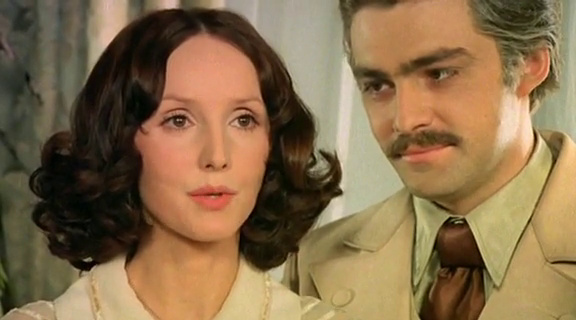
The Healer
Probably one of the most popular films in Poland. «The Healer» is a cult Polish melodrama based on the novel by Tadeusz Dołęga-Mostowicz. It is a story about a doctor who, after tragic events, loses his memory and starts a new life in a remote village, where he is considered a simple but wise healer. The film touches the viewer with warmth, humanity, and strong emotional experiences.
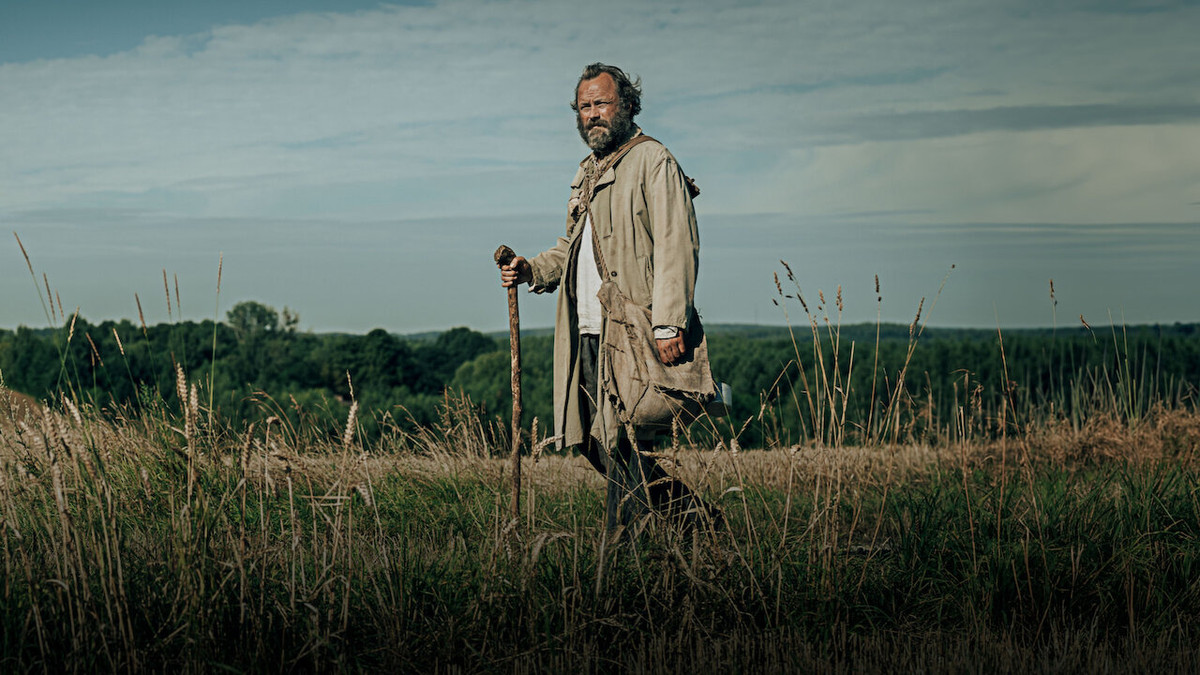
The film tells how, even in the most challenging circumstances, a person can remain true to their values. The main character helps people without seeking profit. His story is also a reflection on fate, love, and justice. Despite the passing decades, «The Healer» remains a beloved film for many viewers due to its sincere plot and the talents of the actors who created truly vibrant images.
Corpus Christi
«Corpus Christi» is a contemporary Polish drama that gained international acclaim and was even nominated for an «Oscar». The film tells the story of a young man from a juvenile detention center who accidentally becomes the parish priest of a small community after his release. This plot is not so much about deception as it is about self-discovery, attempting to change life, and touching upon something spiritual.
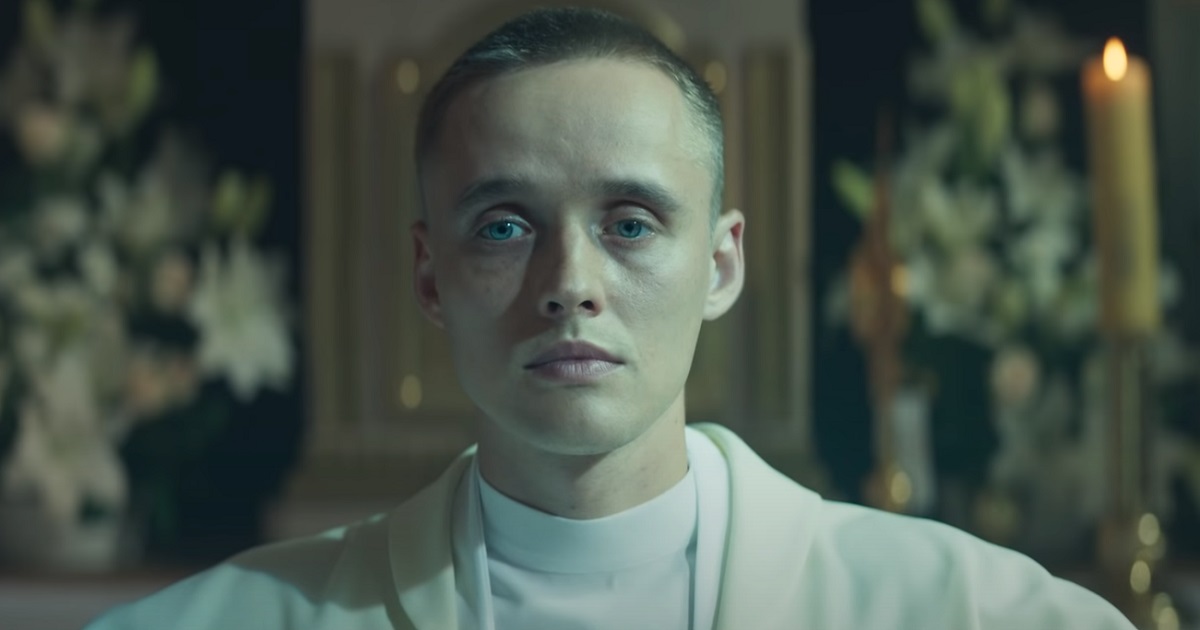
The film raises complex moral questions: can one change the past, how to find one's place in a world where people are immediately labeled, and whether a person who has their own scars can heal the spiritual wounds of others. It impresses with its atmosphere, authenticity, and strong acting performance. It shows that even in a small village, human dramas can be enormous, and a sincere desire to help can transcend formalities and social boundaries.
Volhynia
«Volhynia» is one of the most discussed Polish films in recent years, which addresses the painful and complicated topic of Polish-Ukrainian relations during World War II. The film shows events through the eyes of a young girl who finds herself at the center of a conflict that tears apart her family, neighborhood relationships, and entire communities.
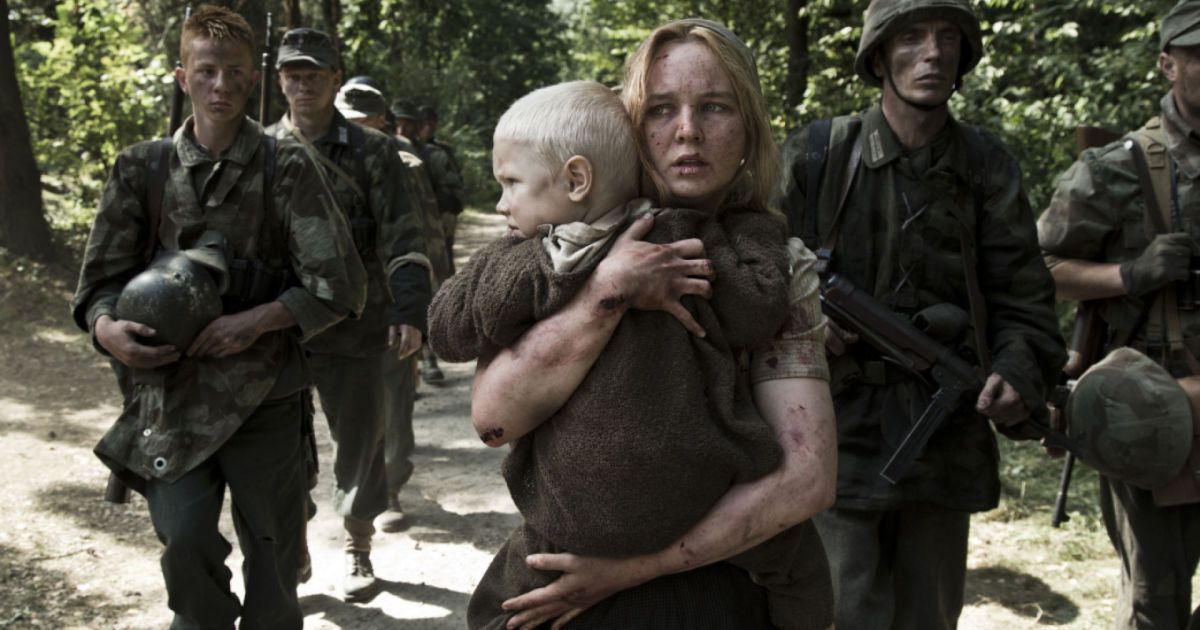
The film is complex, emotionally heavy, and ambiguous. It portrays the tragedy of people faced with terrible choices dictated by history. «Volhynia» sparked many discussions but also provided an opportunity to rethink history, understand its multilayered nature, and focus on human fates rather than solely on political events. It is a film that leaves a lasting impression, forcing viewers to think and reevaluate the past.
Wrath
«Wrath» is a dynamic crime thriller that showcases the dark side of human nature. At the center of the plot is a policeman who loses control of himself after a personal tragedy. He begins to operate on the edge of the law while trying to control the world around him and simultaneously combat his own internal demons.
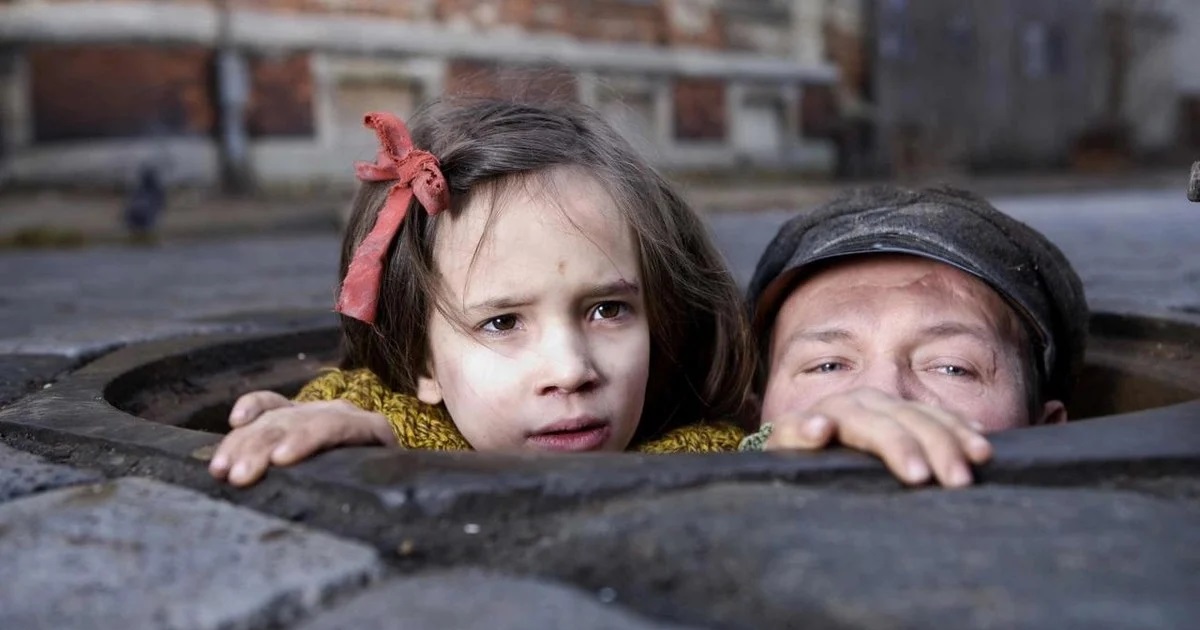
The film impresses with how realistically it depicts the psychological breakdown of the protagonist. It reminds us that sometimes our biggest enemy is our own emotional instability. «Wrath» does not attempt to simplify events or create an ideal hero. On the contrary, it shows how trauma can change a person and poses questions about the moral boundaries one establishes for themselves.
City 44
«City 44» is a large-scale war film that recreates the events of the Warsaw Uprising of 1944. It tells the story of young people who join the fight for their country's freedom. Director Jan Komasa has created a visually stunning yet emotionally heavy film that juxtaposes heroism and despair with youth, love, and hope for the future.
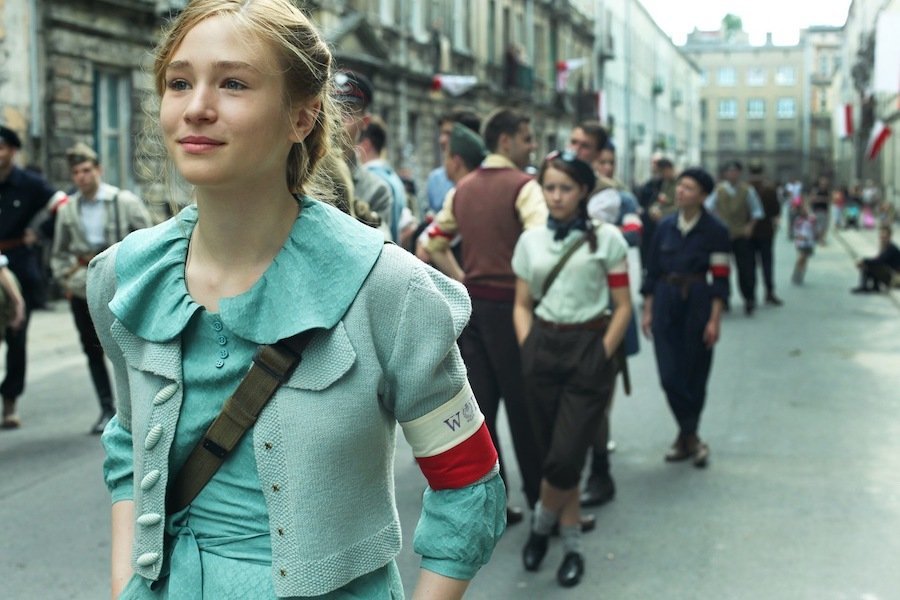
The film impresses with its visual solutions: the battle scenes, special effects, and choreography of combat episodes are executed at a high level. However, the most crucial element remains the human factor: boys and girls who are forced to grow up in a matter of days, lose friends, and make life-and-death decisions. «City 44» is not just a war drama; it is a film about the dreams and tragedies of a generation.
Boys Don't Cry
«Boys Don't Cry» is a crime drama with elements of black humor that depicts the youth of the late '90s in Poland. It is a story of random encounters, dangerous situations, and chaotic events in which the main characters find themselves. The film combines the lightness of an adventure movie with striking social notes.
Read also
- Zendaya Announces a Career Break: What Led the Actress to Step Back
- Olga Gorbachova and Yuriy Nikitin Split Again: What Happens to Their Daughters Now
- Dmytro Koliadenko Opens Up About His Son’s Wedding: The Best Celebration of His Life
- Kim Kardashian Mourns the Loss of Her Grandmother Mary Jo Shannon at Age 91
- Michael J. Fox Celebrates 38th Wedding Anniversary: Touching Words to His Wife Tracy Pollan
- Lindsay Lohan Shares Heartfelt Birthday Tribute to Her Son on His 3rd Birthday Alongside Husband