Laurel Leaf for Indoor Plants: Why It Is Buried in Pots.

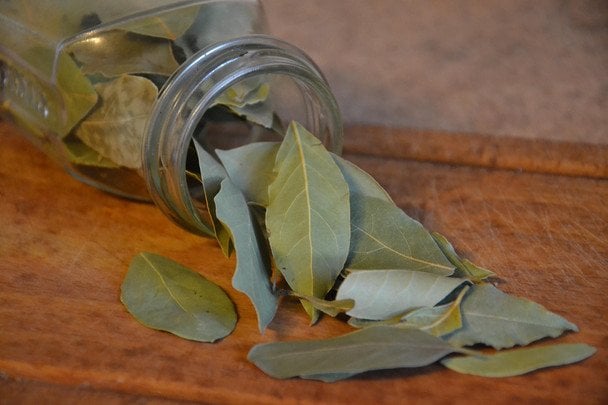
According to ТСН: Anyone who grows indoor plants knows: sometimes flowers can get sick, grow slowly, or become victims of pests. The use of chemical agents is not always justified, especially if there are children or pets in the house. Therefore, experienced gardeners are increasingly turning to natural methods of plant care.
Why You Should Bury Laurel Leaves in Flower Pots
Repels Pests. Laurel leaves have a strong aroma that repels fungus gnats, thrips, aphids, and mites. The essential oils of laurel act as a natural insecticide: pests leave the plant within a few days. This is a safe alternative to chemical sprays.
Prevents Mold Formation in Soil. Laurel leaves have antibacterial and antifungal properties. They reduce the risk of mold developing on the soil surface and the occurrence of root rot.
Improves Soil Structure. As they decompose, laurel leaves enrich the soil with organic matter, making it looser, improving aeration, and stimulating the growth of beneficial microorganisms. Plants begin to grow more actively, forming new leaves and shoots faster.
Natural Source of Microelements. Laurel leaves contain magnesium, calcium, manganese, and a small amount of potassium. These elements gradually release into the soil and positively affect the health of the plants.
How to Use Laurel Leaves Correctly in Plant Pots
Take 2-3 dry leaves.
Bury them in the soil to a depth of up to 2 cm.
Repeat the procedure once a month.
For large pots (over 3 liters), use up to 5 leaves.
Laurel leaves are especially suitable for ficuses, anthuriums, orchids (place near the edge of the pot, not under roots), zamioculcas, spathiphyllums, geraniums, and decorative foliage plants.
The use of laurel leaves in caring for houseplants is not only an effective way to protect against pests and diseases but also a natural way to improve the soil. Many gardeners have already appreciated the simplicity and effectiveness of this method, making their experience with plants even more successful and enjoyable.
Read also
- Egg-Free Kefir Pancakes: A Simple Recipe with a Dough Secret
- White Acacia Kvass: A Step-by-Step Guide from Klopotenko
- A 30-Minute No-Bake Lemon Dessert: Easy Recipe with Everyday Ingredients
- Easy Pickled Tomatoes for Winter: The Perfect Brine Recipe Using 1 Liter of Water
- A 15-Minute Dinner That Feels Like a Feast: Carbonara-Style Potatoes with Bacon and Cream Sauce
- A Quick 5-Minute Homemade Gravy: Simple Ingredients, Big Flavor