7 Surprising Garden Hacks Using Your Toilet Paper Tubes.

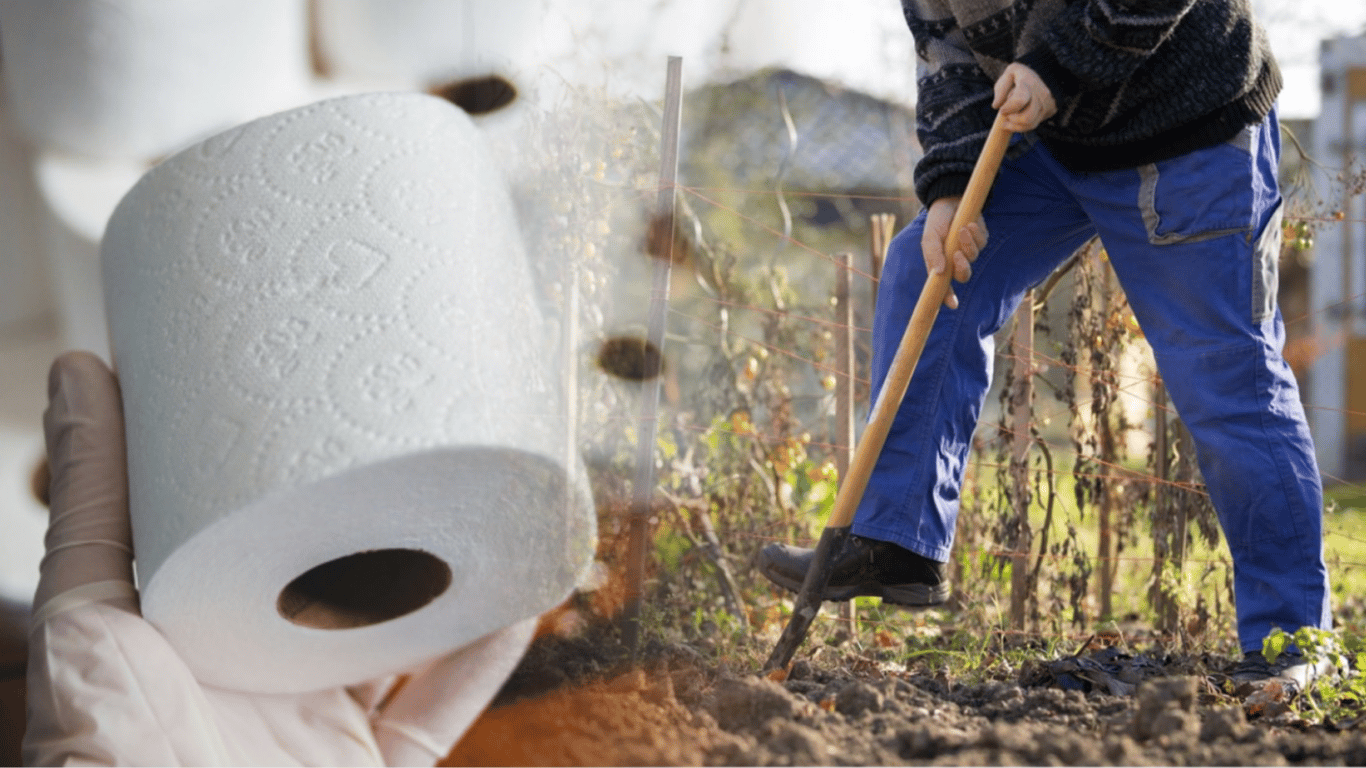
Garden Uses for Cardboard Toilet Paper Tubes
According to Novyny.live: Gardeners and vegetable growers can find a valuable resource in the humble cardboard tube from a toilet paper roll. These eco-friendly materials are permeable to moisture, decompose gradually, and enrich the soil, making them a surprisingly versatile gardening aid. They can be repurposed for composting, starting seedlings, suppressing weeds, and protecting plants.
The Benefits of Cardboard Tubes
Made from thin cardboard that breaks down quickly in soil, these tubes offer a great alternative to traditional gardening materials. Their biodegradability is a key advantage for sustainable gardening practices. First, they can be used for starting seedlings, serving as natural pots that don't hinder root development and can be planted directly into the ground. Second, adding them to a compost pile helps improve the overall quality of the compost by adding carbon-rich material.
Furthermore, the tubes can act as a natural weed barrier. Placing them on the soil surface helps prevent the growth of unwanted plants. They also provide a layer of insulation to protect tender plants from light frosts. Another benefit is that tubes can shield young seedlings from certain pests, allowing gardeners to potentially reduce their reliance on chemical treatments.
Therefore, using toilet paper tubes in the garden is not only an environmentally conscious choice but also a practical solution for improving soil quality and plant protection. Gardeners can gain multiple advantages from this simple, yet effective, household item.
This approach highlights the importance of eco-friendly practices in horticulture. Repurposing common household waste like cardboard tubes reduces landfill contributions while benefiting plant life. With growing interest in sustainability, such simple solutions can encourage more people to adopt greener gardening habits, contributing to environmental conservation. It demonstrates that even the most ordinary objects can find a new purpose and extend their useful life in the garden.
Read also
- Blago Becomes Lead Partner of Lviv Fashion Week: What This Means for Ukrainian Designers
- From Johnson’s Memoir to the War of Tomorrow: 5 Must-Read Books Coming in 2026
- Forecaster Didenko Issues Weather Update for July 15: Where Rain Is Expected
- How to Choose a School Backpack: Key Factors for Your Child's Health and Comfort
- A Simple Recipe for Tomato Fertilizer Made from Yeast and Banana Peels
- Custom Door Signs Over Stock Options: How Office and Residential Navigation Is Evolving