The 2026 Guide to Boiling Water Treatment for Currant Bushes: Benefits and Best Practices.

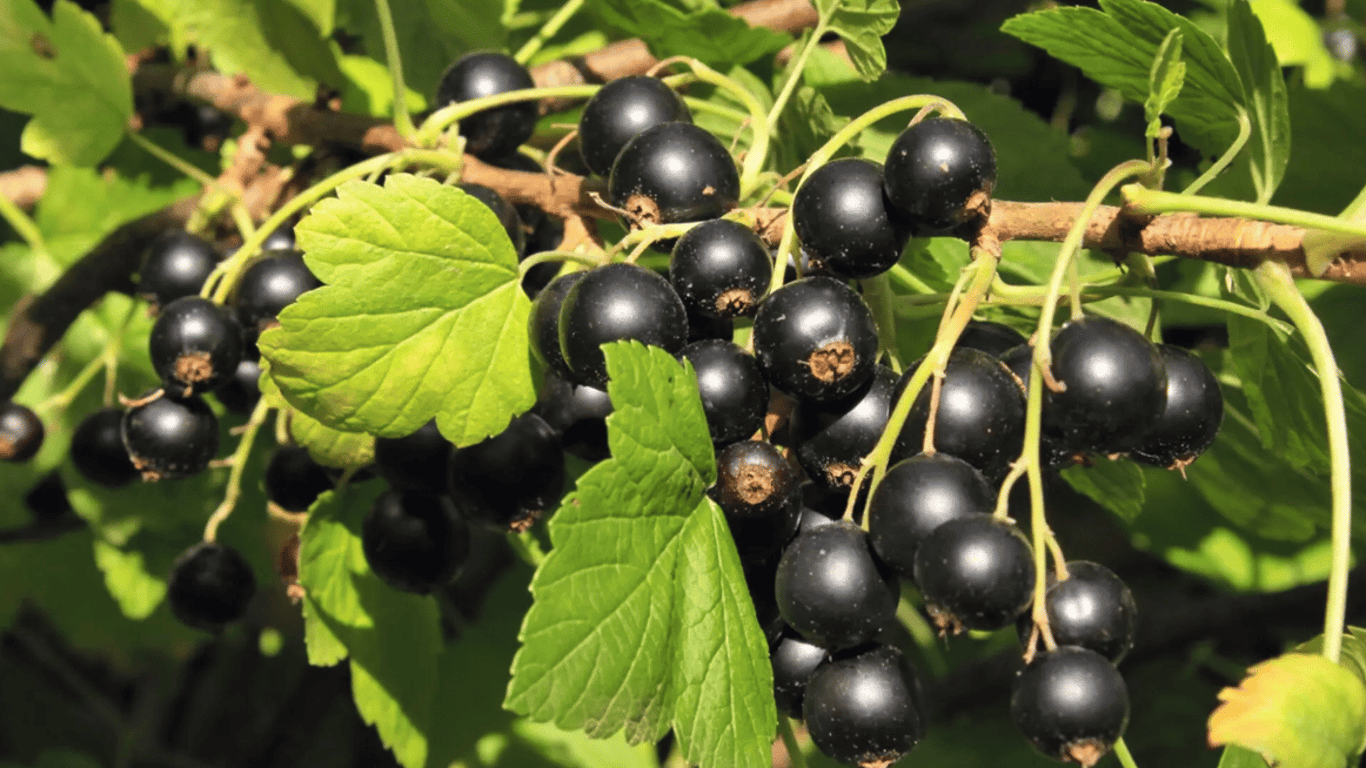
Why and How to Use Boiling Water on Currant Bushes in 2026
According to Novyny.live: In 2026, a springtime drench with boiling water can help currant bushes emerge from winter dormancy more quickly and reduces the threat of disease and pests. This technique is considered particularly effective following a cold, snowy winter when plants need extra support to recover. This traditional method is a form of thermal shock treatment used by gardeners to give plants a vigorous start.
How Does Boiling Water Benefit Currants?
The heat from the water stimulates rapid awakening by activating the plant's growth processes. The elevated temperature helps the plants access necessary nutrients for development, while also strengthening their natural defenses, thereby lowering the likelihood of infections and pest infestations.
When Is the Right Time for Treatment in 2026?
Applying boiling water to currants is relevant in 2026, especially after a frosty period before the buds have fully broken. It is crucial to wait for a period of stable, rising air temperatures to avoid damaging the plants.
However, it's important to remember that this treatment can be harmful if performed at the wrong time or under unsuitable weather conditions. For instance, a sudden cold snap following the application could lead to negative consequences for plant health.
What Is the Correct Method for Applying Boiling Water?
Use water heated to between 80 and 90 degrees Celsius (176-194°F). It is vital to apply the water evenly to avoid scalding the plants. When performed correctly, this procedure can give currant bushes the necessary boost for active growth and development in the new season.
The boiling water method is a key practice for gardeners aiming to ensure a healthy start for their bushes after winter. Given the 2026 climate projections, this approach could be essential for successful currant cultivation, particularly in regions with harsh winters.
Proper application not only stimulates growth but also minimizes risks associated with diseases and pests, making it a valuable part of horticultural practices that can enhance overall yield.
Read also
- Blago Becomes Lead Partner of Lviv Fashion Week: What This Means for Ukrainian Designers
- From Johnson’s Memoir to the War of Tomorrow: 5 Must-Read Books Coming in 2026
- Forecaster Didenko Issues Weather Update for July 15: Where Rain Is Expected
- How to Choose a School Backpack: Key Factors for Your Child's Health and Comfort
- A Simple Recipe for Tomato Fertilizer Made from Yeast and Banana Peels
- Custom Door Signs Over Stock Options: How Office and Residential Navigation Is Evolving