Spring Pruning of Columnar Apple Trees: Boosting Yield and Fruit Quality.

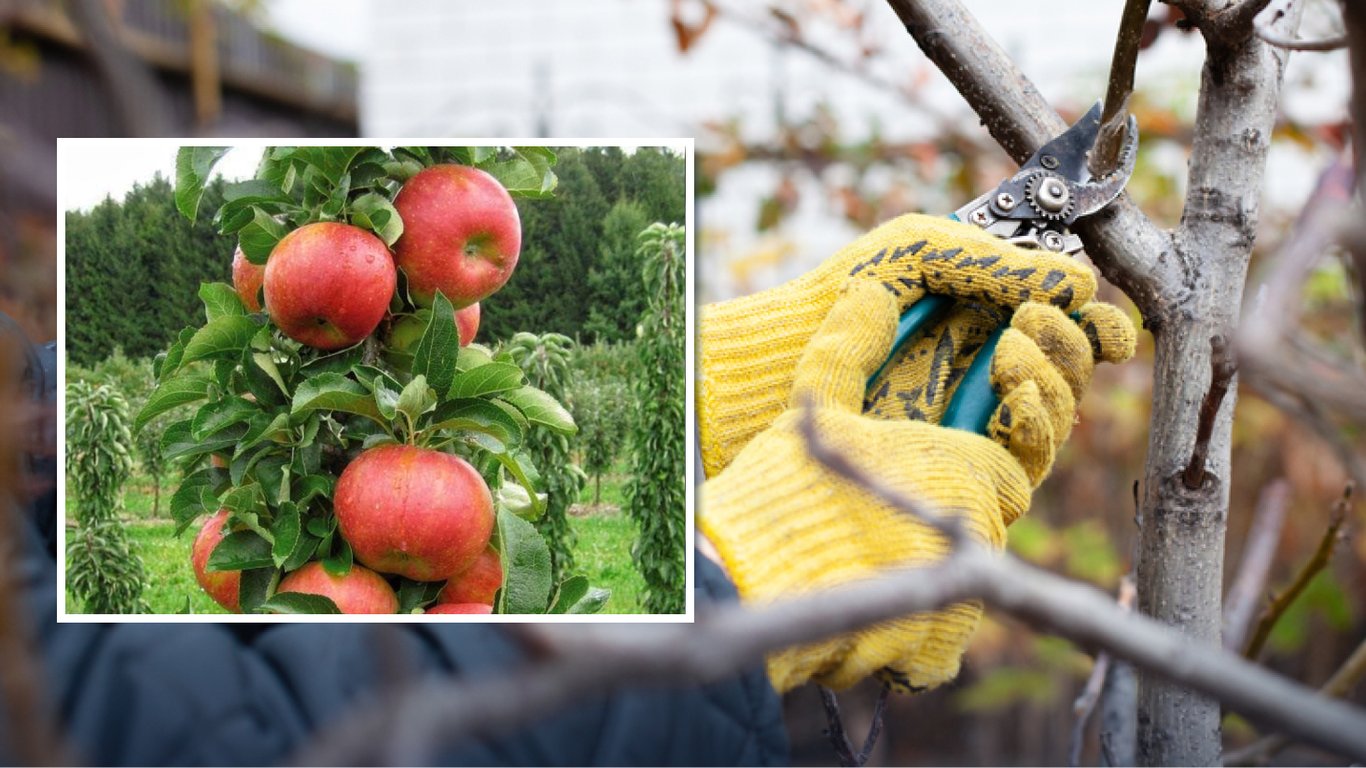
Pruning Columnar Apple Trees
According to Novyny.live: Spring pruning is essential for columnar apple trees to shape their canopy and remove diseased branches. This practice enhances both productivity and fruit quality. The ideal time for this task is early spring, before active sap flow begins, when temperatures are consistently above freezing and buds have not yet opened.
The pruning process follows specific stages starting from the first year after planting. Initially, the central leader must be shortened and lateral shoots partially trimmed. In the second year, pinching young shoots is crucial to encourage further development. By the third year, attention should focus on the tree's top, leaving side shoots at a length of 30–40 cm. During the fourth year, thin out the crown by removing overcrowded, weak, and damaged branches. The fifth year marks a critical milestone: restrict the tree's height to approximately 2.5–3 meters.
Why Regular Pruning Matters
Consistent pruning of columnar apple trees serves several important purposes. It helps to:
- reduce yield;
- prevent small fruit formation;
- improve air circulation;
- lower the risk of disease.
Key actions during spring pruning include removing frost-damaged shoot tips, cutting away injured and weak branches, stimulating the growth of new fruit-bearing shoots, and finalizing the tree's structure before active growth begins.
After spring pruning, the apple tree requires additional care. Essential steps include treating cuts with garden pitch, moderate watering, applying nitrogen fertilizers, and regularly inspecting for signs of disease. Following these guidelines ensures healthy growth and a bountiful harvest from columnar apple trees.
Pruning columnar apple trees is a vital agronomic practice that not only boosts yield but also improves the overall health of the trees. Anonymous source
Timely execution of all pruning stages and subsequent plant care can significantly impact the quality and quantity of the fruit produced. This is especially relevant for gardeners focused on commercial apple cultivation or those aiming for top results in home orchards.
Read also
- Blago Becomes Lead Partner of Lviv Fashion Week: What This Means for Ukrainian Designers
- From Johnson’s Memoir to the War of Tomorrow: 5 Must-Read Books Coming in 2026
- Forecaster Didenko Issues Weather Update for July 15: Where Rain Is Expected
- How to Choose a School Backpack: Key Factors for Your Child's Health and Comfort
- A Simple Recipe for Tomato Fertilizer Made from Yeast and Banana Peels
- Custom Door Signs Over Stock Options: How Office and Residential Navigation Is Evolving