January Pruning: Which Plants You Must Absolutely Avoid Cutting.

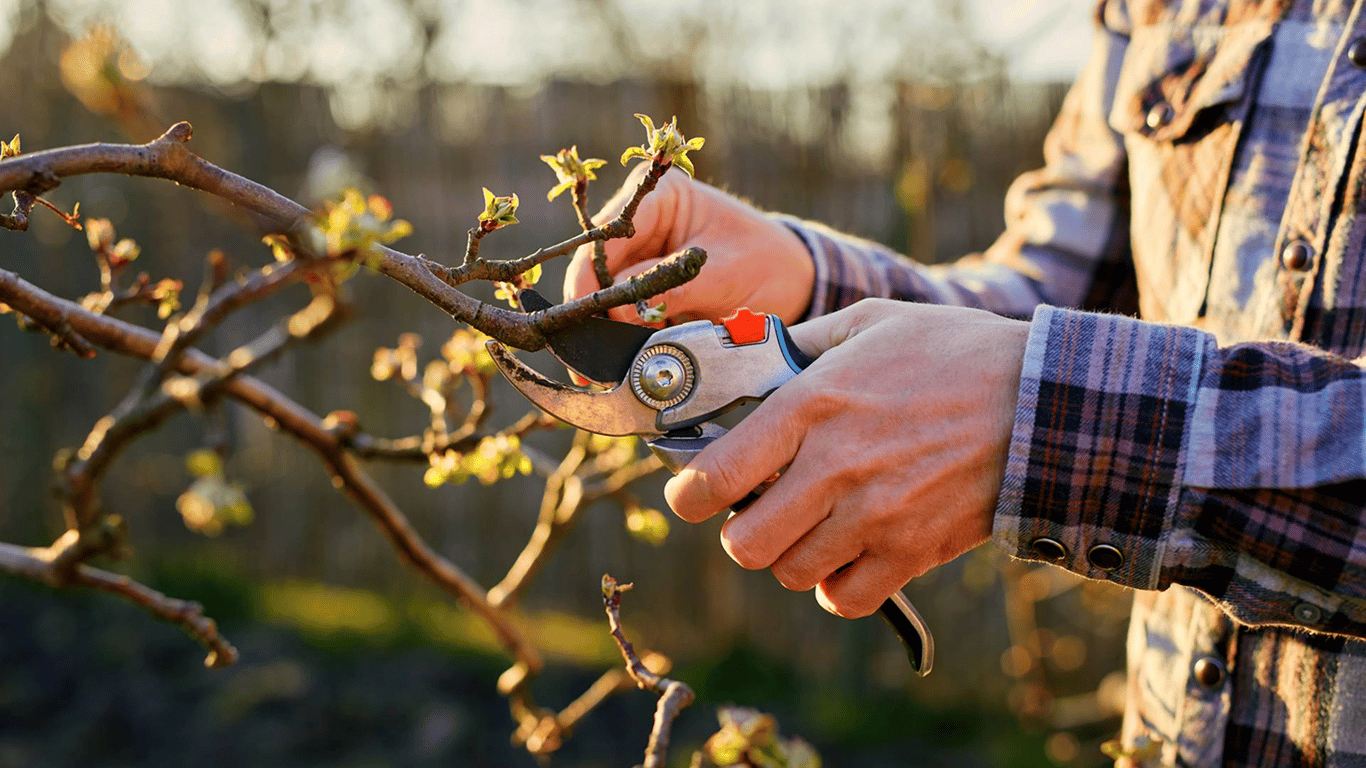
Plants to Avoid Pruning in January
According to Novyny.live: Pruning in January can cause significant harm to the development of both ornamental and garden plants. Many of these, particularly flowering shrubs, set their buds in the summer, making winter pruning highly inadvisable. There is a specific list of plants that should never be touched in January, as doing so can lead to negative consequences for their growth and flowering. In many temperate climates, January is a period of dormancy where plants are vulnerable to stress and disease.
Plants That Must Not Be Pruned in January
- Forsythia
- Lilac
- Rhododendron
- Azalea
- Bigleaf Hydrangea (Hydrangea macrophylla)
- Lavender
- Boxwood
- Fruit Trees (Peach, Plum, Apricot, Cherry)
Forsythia should only be pruned after its spring bloom, a rule that also applies to lilac. Bigleaf hydrangeas flower on old wood, so they too must be left alone during winter. Pruning lavender in January is especially risky, as it can lead to the plant freezing and dying. For gardeners, this list highlights the importance of understanding a plant's specific flowering cycle before making any cuts.
Furthermore, winter spores can cause silver leaf disease in stone fruit trees, underscoring the need for caution. During winter, it is permissible to remove only dry, broken, or diseased parts of plants. This selective removal helps maintain plant health and prevents the further spread of disease. Remember, proper winter care is the foundation for a plant's successful development in the coming seasons.
Knowing the correct time to prune is a crucial aspect of gardening, as it preserves plant health and promotes effective growth. Considering the specific needs of each plant species helps avoid mistakes that could lead to damage. Pruning at the wrong time can not only negatively impact flowering but also threaten the overall condition of the plant, especially during the cold winter months.
Read also
- Blago Becomes Lead Partner of Lviv Fashion Week: What This Means for Ukrainian Designers
- From Johnson’s Memoir to the War of Tomorrow: 5 Must-Read Books Coming in 2026
- Forecaster Didenko Issues Weather Update for July 15: Where Rain Is Expected
- How to Choose a School Backpack: Key Factors for Your Child's Health and Comfort
- A Simple Recipe for Tomato Fertilizer Made from Yeast and Banana Peels
- Custom Door Signs Over Stock Options: How Office and Residential Navigation Is Evolving