Paolo Sorrentino Films: The Best Works of the Italian Director.


The name Paolo Sorrentino may not be known to everyone, but he is one of the most renowned contemporary Italian directors, who has gained recognition not only in Italy but also worldwide due to his unique style and visual mastery.
His works are characterized by aesthetic perfection, deep psychological work with characters, and philosophical subtext, which allows the viewer to not just observe the story, but to experience it on a personal level.
Best Films of Paolo Sorrentino
Sorrentino masterfully combines elements of drama, comedy, and intellectual satire, creating films that leave a strong emotional impact and become a topic of discussion among critics and audiences. His films often explore themes of power, art, human relationships, loneliness, and the search for meaning in life.
Paolo Sorrentino gained popularity due to his vivid and unconventional film projects that blend emotionality with deep meaning. His films are noted for their complex structure, careful character work, and expressive visual style. The director actively works in both film and television, creating series that become cult classics for contemporary audiences. His works have been repeatedly nominated for and won awards at international film festivals, including the Oscar, Golden Globe, and European Film Academy. Sorrentino masterfully conveys the atmosphere of Italian society, simultaneously demonstrating beauty, irony, and bitter reality.
My Brilliant Friend

The series 'My Brilliant Friend' (My Brilliant Friend) is based on the popular book series by Elena Ferrante. Paolo Sorrentino served as director, bringing to life the complex inner world of the heroines, their relationships, and the social context of Naples in the second half of the 20th century. The series is marked by detailed depictions of everyday life, subtle psychological work with characters, and excellent acting. The main heroines, Elena and Lila, demonstrate different types of female psychology, social adaptation, and creative potential. Sorrentino's visual style makes the series atmospheric and deeply emotional, while retrospective scenes highlight the contrast between childhood and adult life.
The Young Pope
The series 'The Young Pope' became one of the most striking projects in modern European television, as it challenged conventional ideas about what the image of a pontiff might be in culture. Paolo Sorrentino created an unconventional, highly controversial, and emotionally complex Pope - a person with inner conflicts, principles, coldness, and yet almost magnetic charisma. Through this character, the director conveys the complexity of the human psyche and moral choices that even those at the highest level of spiritual power cannot escape.
The visual aspect of the series deserves special attention: the thoughtful composition of each frame, the combination of symbolic images, the contrast of light and shadow, as well as modern musical accents create a unique atmosphere in which the viewer almost rediscover the theme of religion, spirituality, and political influence. Through the plotlines, Sorrentino emphasizes not only the loneliness of the leader who is under constant pressure but also broader questions: how power changes a person, is it possible to remain honest in a system where everything is built on the struggle for influence, and where to find one's place in a world that has long ceased to be unambiguous.
The New Pope
In the sequel - the series 'The New Pope' - the director deepens and expands the universe created in the first part. Here, the theme of power goes beyond the individual and transforms into a complex system of relationships between people, institutions, and society. Sorrentino explores the mechanisms of church politics in more detail: from internal conflicts and hidden intrigues to human weaknesses manifested even in those who are supposed to symbolize moral authority.
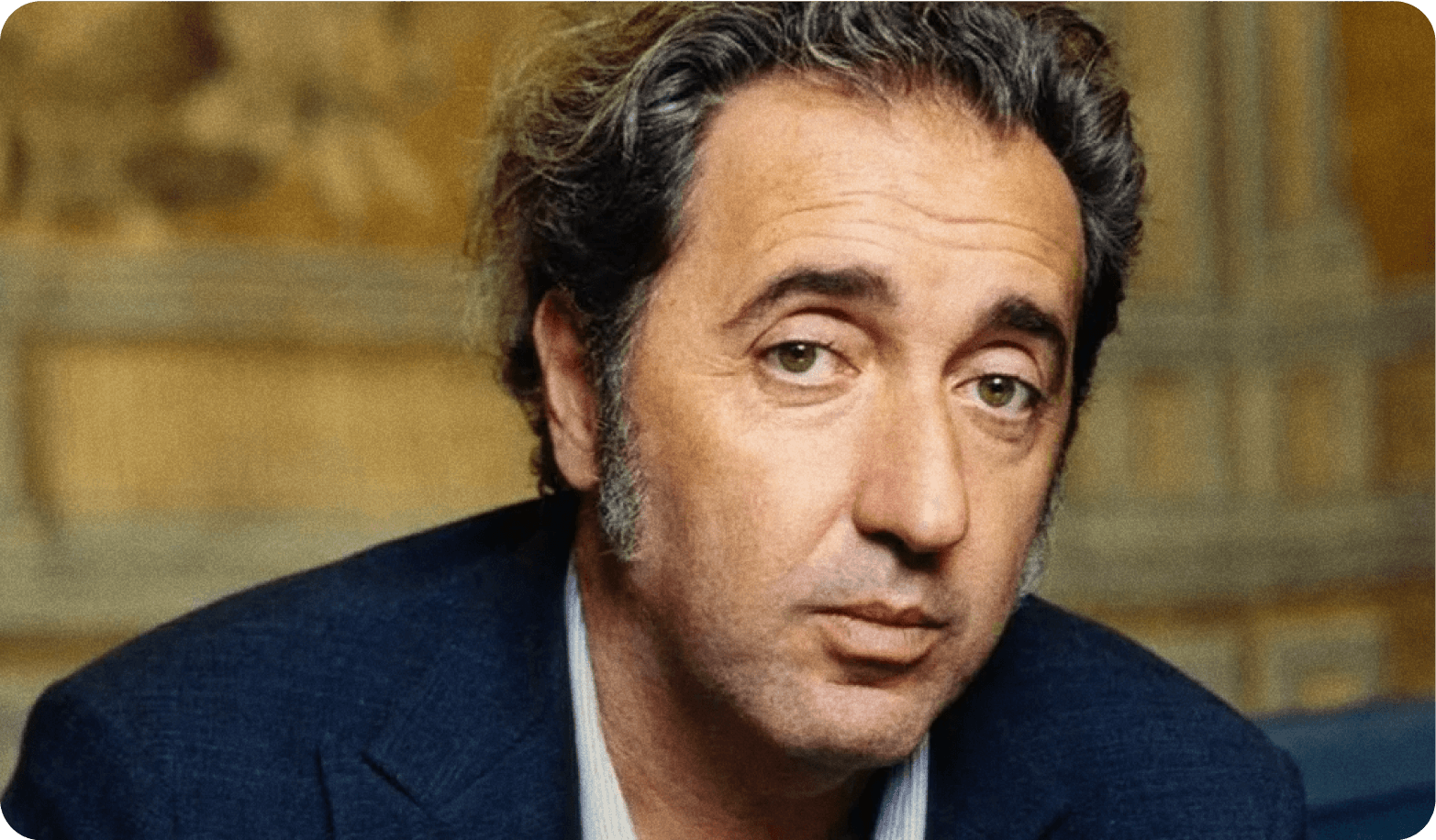
Particular attention is paid to the psychology of the characters: their fears, ambitions, dependencies, and desire to find a balance between human nature and the role they are forced to perform. The visual language of the series again impresses - bright color decisions, carefully worked-out costume details, and deep, metaphorical angles of the camera work. All this creates a style by which Sorrentino can be recognized without any hints. He transforms political drama into an aesthetic meditative experience, where each scene has a hidden symbolic meaning.
The Great Beauty
'The Great Beauty' (La Grande Bellezza) is one of Sorrentino's most famous films, which has received numerous international awards, including the 'Oscar' for Best Foreign Language Film. The film combines philosophical depth with visual perfection, thus transforming into a cinematic manifesto about life, aging, loneliness, and the elusive essence of beauty.
The main character, Jep Gambardella, observes the world of Roman bohemia, where luxury has long lost its true value, and a person dissolves in endless entertainment that masks emptiness. Through his reflections, Sorrentino speaks of emotional exhaustion, the search for meaning amid chaos, and how art can be the only support in a world that has lost depth. The visual side of the film is a separate layer: exquisite panoramas of Rome, the play of light, the rhythm of editing, and subtle irony in the construction of scenes make the film almost poetic. It is this aesthetic richness, combined with philosophical reflections, that has ensured the film's cult status among cinema enthusiasts and researchers of contemporary European cinema.
The Consequences of Love
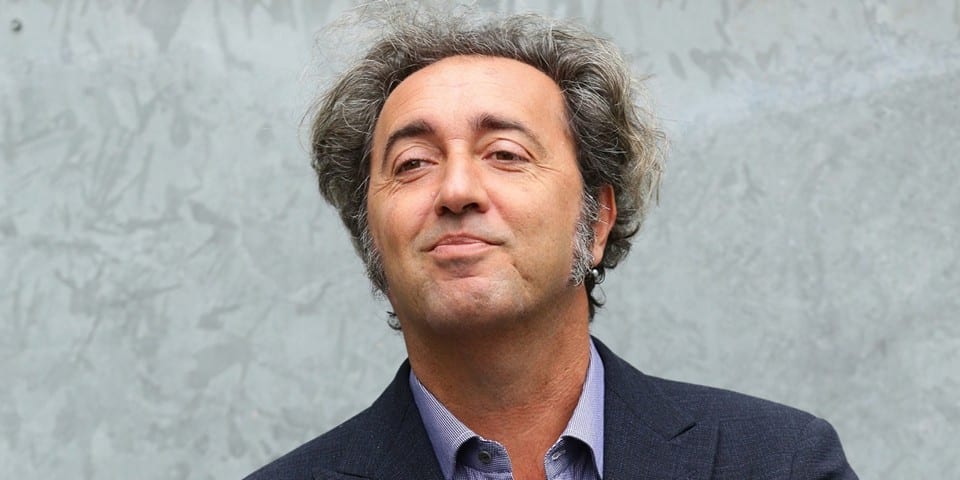
The film 'The Consequences of Love' (Le Conseguenze dell’Amore) showcases a unique style of psychological thriller that Sorrentino has combined with subtle dramaturgy. The main character lives in isolation, leading a routine life until the past unexpectedly returns to him. The director masterfully conveys the internal state of the character through visual means, musical accompaniment, and mise-en-scène, creating a tense atmosphere and a deep psychological portrait.
Youth
The film 'Youth' (Youth) is a reflection on life, art, and aging. Two friends, who spend their vacation in the Alps, analyze their lives, creative achievements, and missed opportunities. Sorrentino uses deep symbolism, humor, and philosophical motifs to show the complexity of human existence and the search for meaning. The visual solutions of the film - picturesque landscapes, stylish costumes, and carefully thought-out shots - emphasize the aesthetic uniqueness of the film.
The Hand of God
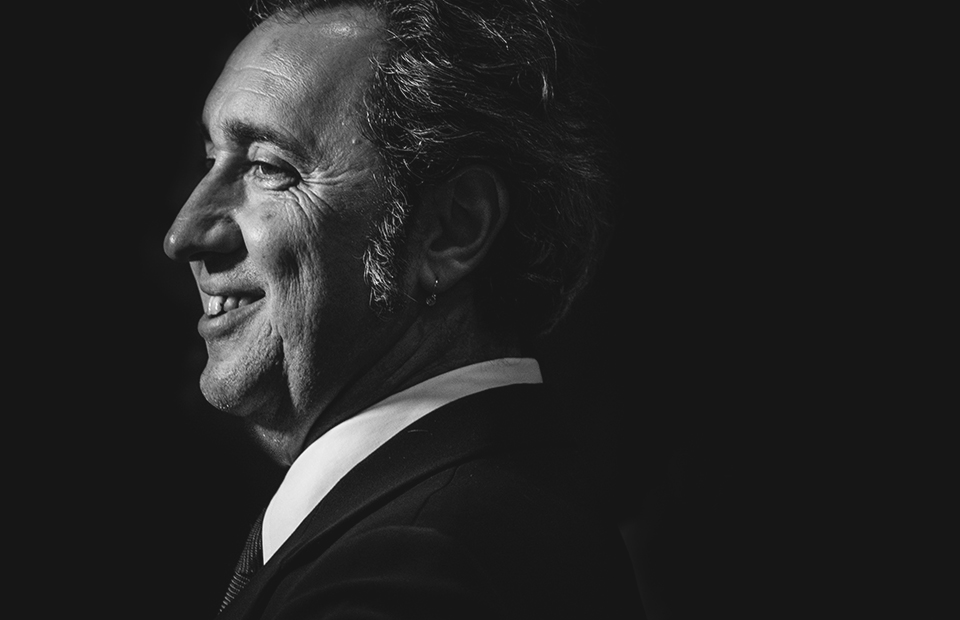
'The Hand of God' (È stata la mano di Dio) is an autobiographical film by Sorrentino that reveals his childhood and youth in Naples. The film combines elements of tragedy and comedy, reflecting the director's personal experiences, family relationships, and the formation of his worldview. Through a story about family, loss, and hope, Sorrentino explores the theme of personality formation and the importance of the life moments that shape the future. The director's visual and emotional mastery makes the film extraordinarily sincere and penetrating for viewers.
Wherever You Are
The film 'Wherever You Are' continues Sorrentino's exploration of the theme of human relationships and life choices. The plot centers around the story of a protagonist trying to find harmony between personal ambitions and obligations to family. The director masterfully combines dramatic moments with elements of irony and satire, creating a multi-layered portrait of modern life. The narrative of the film emphasizes the importance of internal freedom and finding one's own path, even when external circumstances do not always favor it. Sorrentino employs visual metaphors, plays with color and composition of shots to convey the protagonist's internal experiences. Each scene is filled with symbolism that makes the viewer reflect on their own life, values, and choices that shape their future.
The director also maintains his characteristic attention to detail: from the architectural environment to the characters' costumes, creating a sense of a real world that remains poetically stylized. 'Wherever You Are' not only explores interpersonal relationships but also raises questions about time, loss, and opportunities for self-improvement. The viewer witnesses how the protagonist goes through internal conflicts, learns to accept himself and others, making the film deeply emotional and philosophically rich.
Silvio and Others
'Silvio and Others' is one of Paolo Sorrentino's strongest socio-political films. The film explores the nature of power, its influence on the individual and society. Through the story of the main character, Sorrentino reveals the complex world of political and media intrigues, where personal ambitions and moral dilemmas face the choice: to act for one's own benefit or adhere to principles. The film's main character, a political leader, is under the close scrutiny of society, media, and his own entourage, creating a tense dramatic atmosphere.
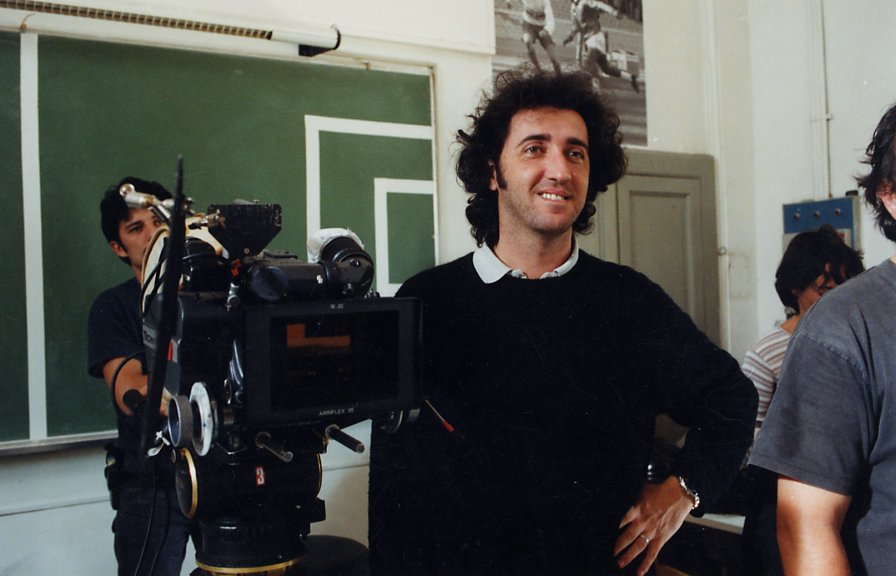
The director uses stylish shots and visual contrasts to emphasize the conflicts between the public image and the inner world of the character. Scenes depicting the hero's private life starkly contrast with public appearances, highlighting the duality of power and the difficulties of personal choice. 'Silvio and Others' not only presents a political drama - the film deeply analyzes human nature, its weaknesses, fears, and the quest for recognition. Sorrentino again combines drama with the aesthetic beauty of the shot, using color symbolism, light, and shadow to create a profound visual effect.
Partenope
The film 'Partenope' brings the viewer back to the roots of Italian culture and the history of Naples. The plot revolves around the life of a family and community, exploring the theme of the continuity of values, traditions, and cultural identity. Through the prism of the personal stories of the characters, Sorrentino reflects the complexity of the interaction between the past and the present, showing how historical and cultural factors shape a person's character and worldview.
The director again showcases his unique style: he combines cinematic poetry with social analysis, using architecture, natural landscapes, and details of everyday life as important elements of the narrative. The characters of 'Partenope' go through internal conflicts that reflect broader societal issues, including questions of social justice, self-realization, and the search for one's place in the world. Sorrentino masterfully balances between dramatic moments and light humor, making the film deep yet accessible to a broad audience.
'Partenope' demonstrates how the director's talent combines personal stories with universal themes, creating a film that remains relevant and interesting for viewers of all ages and cultural backgrounds. The film highlights the importance of roots, family values, and cultural memory, while simultaneously raising questions about freedom of choice and individual responsibility towards society.
Read also
- Zendaya Announces a Career Break: What Led the Actress to Step Back
- Olga Gorbachova and Yuriy Nikitin Split Again: What Happens to Their Daughters Now
- Dmytro Koliadenko Opens Up About His Son’s Wedding: The Best Celebration of His Life
- Kim Kardashian Mourns the Loss of Her Grandmother Mary Jo Shannon at Age 91
- Michael J. Fox Celebrates 38th Wedding Anniversary: Touching Words to His Wife Tracy Pollan
- Lindsay Lohan Shares Heartfelt Birthday Tribute to Her Son on His 3rd Birthday Alongside Husband