Pedro Pascal movies and series: the best roles of the actor in cinema and on TV.

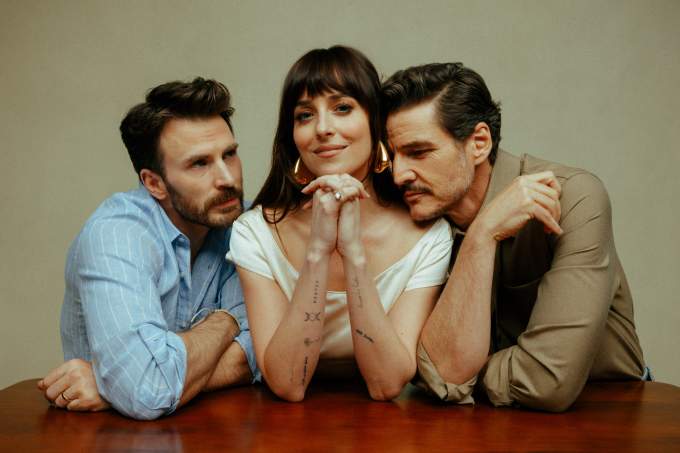
Pedro Pascal is an example of how one can persistently and patiently conquer Hollywood, only to wake up one morning to incredible popularity.
Today, Pedro Pascal movies are popular, and just a few years ago, the actor couldn't even dream of such success. While the list of Pedro Pascal movies and TV shows is long, it is only in recent years that the actor has managed to star in box office hits.
Best movies with Pedro Pascal
Pedro Pascal has become one of the most notable figures in contemporary cinema due to his ability to combine charisma, inner depth, and emotional restraint in his characters. His acting style has developed gradually: from small roles in series to worldwide fame that came along with major franchises and auteur cinema. Pascal is distinguished by his subtle understanding of the psychology of the hero—whether he plays a human rights defender, a smuggler, a mercenary, or someone who has experienced loss and despair. His characters always possess a characteristic 'double depth': external resilience hides vulnerability, and humor masks pain and experience. Thanks to this, he has become a favorite among viewers who recognize in his characters living, real people with complex internal conflicts.
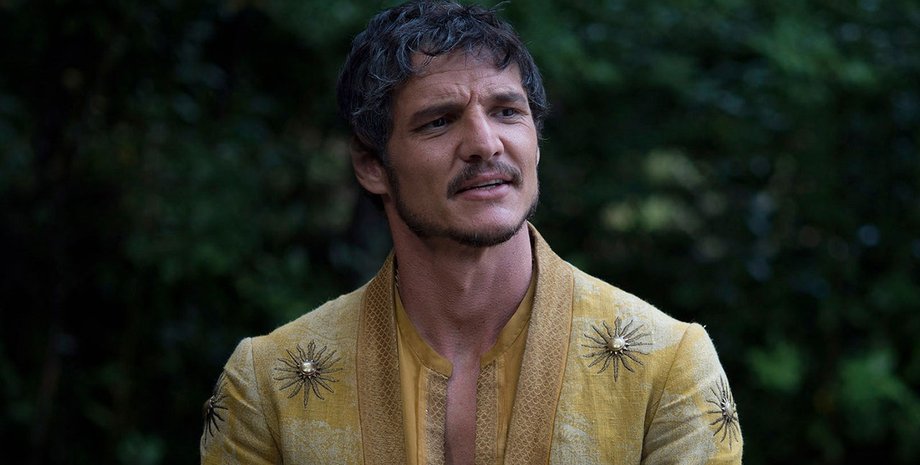
Pedro Pascal's career is an example of how consistency and professionalism can lead to worldwide success even when the path begins with episodic roles. For a long time, he appeared in television projects as a guest actor, gradually accumulating experience and finding his style. His breakthrough role was in 'Game of Thrones,' although it was brief, it drew the attention of directors and producers to his acting plasticity, ability to express character in just a few scenes. After that, Pascal entered a series of prestigious projects where he stood out for his ability to maintain a dramatic tone even in dynamic scenes. His work in 'Narcos,' 'The Mandalorian,' 'The Last of Us,' and feature films expanded the actor's range and showed that he feels comfortable in both big blockbusters and intimate psychological dramas. Today, Pascal is a top-tier actor who gets roles not based on type but on talent.
Narcos
In the series 'Narcos,' Pedro Pascal played DEA agent Javier Peña—a man who spent years fighting against Colombian drug cartels. This is one of those roles where the actor conveyed the exhaustion faced by individuals working on the edge of life and death with exceptional accuracy. His hero is not a romanticized 'fighter for justice,' but a weary yet principled professional whose morals increasingly blur under the burden of daily violence and political games. Pascal conveys Peña's psychological breakdown very subtly: externally, he appears sharp and cold; internally, he is torn by conflict—where law ends and survival begins. It is this ambiguity that makes the character vivid and convincing, closer to the real biographies of agents who worked against the cartels for years.
The Last of Us
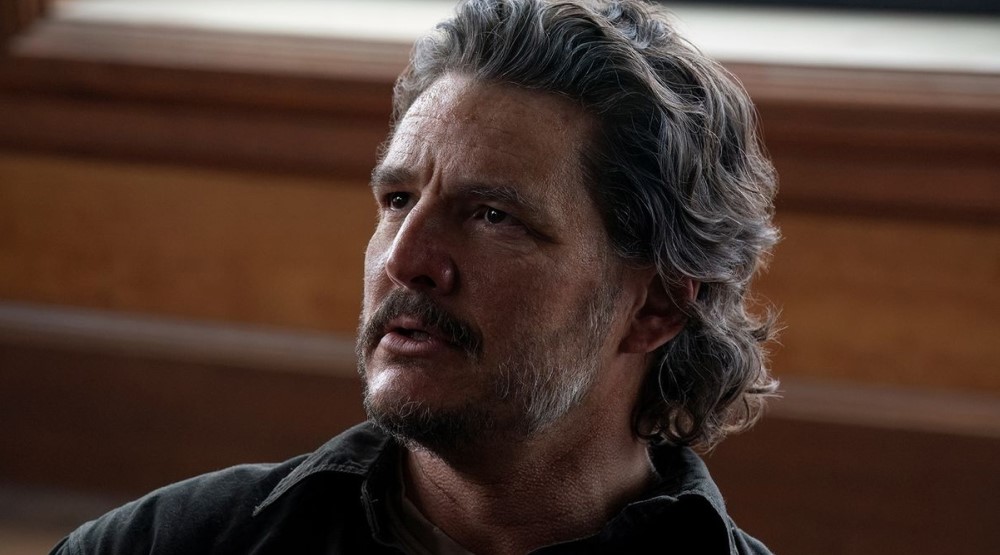
The role of Joel in the series 'The Last of Us' became one of Pascal's strongest performances as he faced the complex task of portraying both paternal tenderness and deep trauma that shaped his worldview. His Joel is not the typical post-apocalyptic hero who acts solely on instinct. He is a man who lost his identity along with his daughter and lives in inertia until Ellie appears—a character who changes not only the plot but also the hero's internal state. Pascal emphasizes the unsaid; his emotions manifest in his gaze, a slight quiver in his voice, and tense pauses. He plays not external effects but the complex, nearly shattered psyche of a person learning to trust again. This approach made the series not just an adaptation of a well-known game but a dramatic story about love, loss, and a desperate attempt to protect what remains.
The Mandalorian
'The Mandalorian' became a project for Pascal where the actor spends almost the entire time behind a helmet, which presents a significant challenge for any performer. He had to build his character through body language, intonation, and restrained facial expressions that coordinated with the movements of the suit. However, this minimalism allowed Pascal to create one of the most recognizable roles in the entire 'Star Wars' franchise. His character, Din Djarin, gradually reveals himself to the audience: from an uncompromising mercenary to a person capable of sacrifice and deep attachment. The scenes of interaction with Grogu, in particular, are especially powerful, where a true warmth is felt under the armor. Pascal showed that sometimes the most emotional roles are those where the actor cannot utilize traditional tools but must work with precision of movement and the inner energy of the character.
Wild Robot
In the adventure film 'Wild Robot,' Pascal played a role that combines humor, light irony, and dramatic undertones. His character exists in a world where high technology mixes with chaos and unpredictability. The actor skillfully demonstrates how a person can adapt to conditions where moral principles clash with the possibilities of artificial intelligence. His role stands out because he does not make light of the genre but tries to bring realism even into fantastical circumstances. This brings humanity to the film, and scenes with his participation become more emotional and convincing. Pascal invests in his character traits that the audience already associates with his style: internal vulnerability hidden behind humor and sharp reactions to injustice.
The Unbearable Weight of Massive Talent
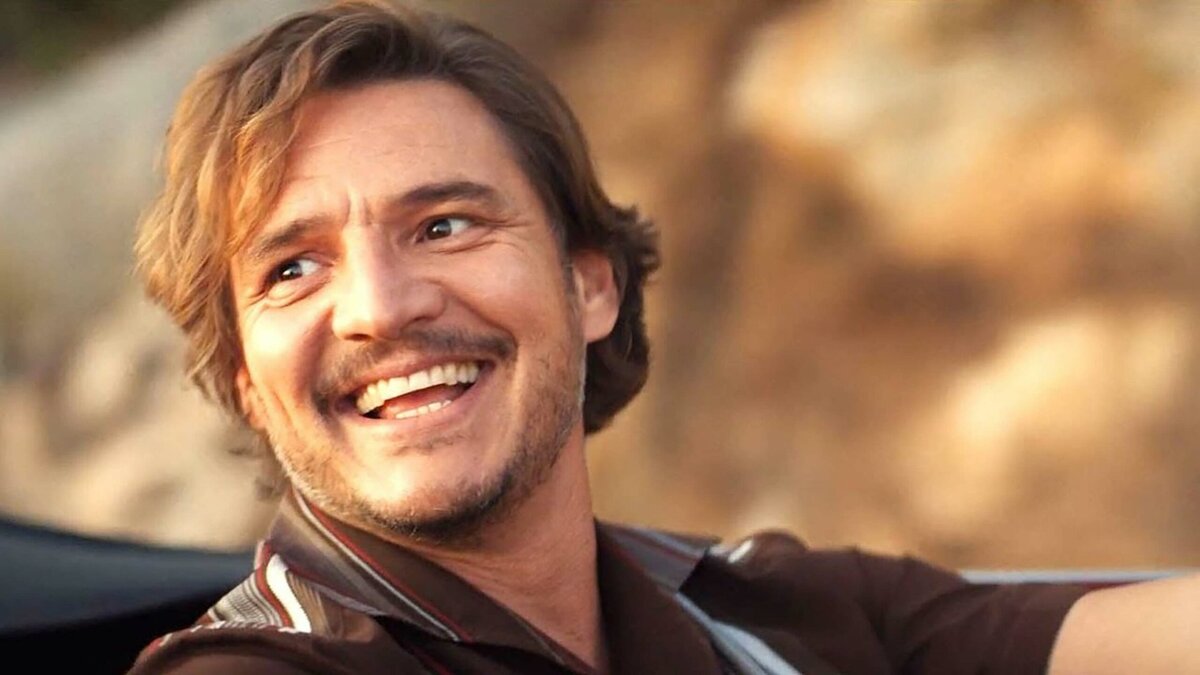
This film provided Pascal the opportunity to showcase his comedic abilities, which he rarely demonstrated in major projects. In 'The Unbearable Weight of Massive Talent,' he plays a fan of Nicolas Cage who accidentally finds himself embroiled in a complicated operation. The actor creates a charming, somewhat naive yet very sincere character who radiates warmth and friendliness. His duo with Cage became the highlight of the film: Pascal not only 'supports' his star colleague but creates a full-fledged, self-sufficient character capable of eliciting sympathy even when the plot becomes absurd. In this role, the actor demonstrated a wonderful sense of rhythm, the ability to balance between parody and seriousness, and the skill to perform at the edge of emotional sincerity. This is one of the examples of how he can easily step beyond his usual persona while remaining convincing in any genre.
The Equalizer 2
In 'The Equalizer 2,' Pedro Pascal appears in an unusual role—he plays a restrained, experienced operative who gradually uncovers dark aspects of his professional past. His character seems not just a plot element but an essential part of the moral conflict that lays the emotional tone of the story. Pascal successfully combines external toughness with the internal fatigue of a person who has lived too long in an atmosphere of distrust and risk. His performance is devoid of excessive theatricality—on the contrary, the movements and reactions are almost mundane, making them even more realistic and convincing. Thanks to this approach, the actor's character does not fade into the shadow of the main hero but remains an important figure shaping the drama of the entire narrative.
Interestingly, in this role, Pascal demonstrates not so much the charisma that later became his trademark but the ability to work with internal tension. He portrays a person eaten up by doubts but still believes they can control the chaos around them. This is not a classic antagonist but rather a mirror image of the main hero—just as professional in their field, who at one point strayed from the path. The character turned out multidimensional, and that’s why the audience easily captures that subtle line when their motives cease to be straightforward.
Kingsman: The Golden Circle
In 'Kingsman: The Golden Circle,' Pascal plays Agent Whiskey—a hero who combines glamour, a keen sense of style, and an almost comical yet very effective seriousness. This is one of his most vibrant roles in the action-comedy genre, where he had the opportunity to showcase both physical training and the ability to work with emphatically stylish, almost caricatured details. Whiskey is a character that stands out from his very first appearance due to his energy and specific charm, combining the archetype of a Western cowboy with the contemporary dynamics of an action movie.
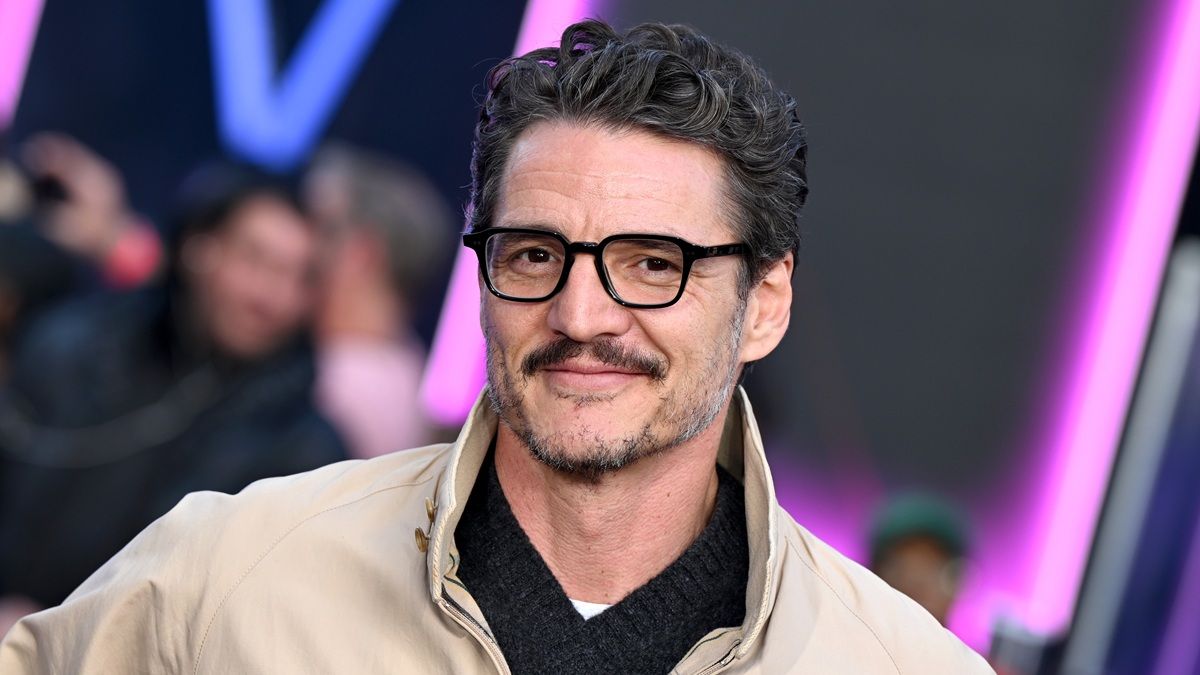
However, behind the external appeal lies a tragic story explaining the character's behavior and moral choices. Pascal adeptly interprets this duality: on the surface—smiles, ease, and a charismatic manner of speaking, while inside—pain of loss and a distorted need for justice. This nuanced performance prevents the character from becoming a stereotypical action hero, turning him into a fully dramatic figure. Certain scenes, particularly the final confrontations, benefit greatly from the actor's mastery in conveying the contradictions and depth of his hero, making Whiskey rightfully one of Pascal's most memorable works in cinema.
Gladiator 2
In 'Gladiator 2,' Pedro Pascal received one of the most anticipated roles of his career. This is a large-scale historical drama where the actor had to work in a completely different manner than in his numerous modern projects. His character is a warrior and political figure whose role in the plot development is strategically significant. Pascal creates the image of a man who possesses not only strength and experience but also has to make tough moral choices. He is not someone driven by emotions; he is a person accustomed to concealing their weaknesses.
Unlike many historical heroes, his character is not an absolute bearer of valor or honor—on the contrary, doubts, hidden fatigue, and an internal conflict between duty and personal desires often surface in his behavior. Pascal conveys these nuances very precisely, making the character multifaceted and alive. His hero is neither idealized nor demonized; he is a person caught between several forces, each of which attempts to use him for their interests.
In significant staged scenes, he appears convincing and organic, indicating serious physical and acting preparation. 'Gladiator 2' became not just another project for Pascal but an opportunity to work in a genre that demands maximum concentration, drama, and depth—and he fully realized this opportunity.
Triple Frontier
In 'Triple Frontier,' Pedro Pascal plays one of the key roles in a team of former special forces who decide to carry out a risky operation. This film focuses on friendship, fatigue, broken ideals, and the struggle with the consequences of years of service. Pascal's character is a pilot who has a clear understanding of professionalism and discipline, yet is not devoid of humanity and doubts.
The actor's special feature here lies in his ability to convey team dynamics. He does not attempt to 'hog the spotlight'; instead, he works as a part of an ensemble, making the entire film more realistic. His hero is the voice of caution, a person who can be brave but understands the risks better than anyone else. Pascal accurately recreates the psychological state of a person who has seen the aftermath of bad decisions many times and is now trying to avoid repeating past mistakes.
This is one of those projects that showcase the actor's versatility. He can be a charismatic anti-hero, a gentle mentor, or a tough professional, but in 'Triple Frontier,' he exhibits the team aspect—the ability to be part of the story rather than its sole driving force.
Perspective
In 'Perspective,' Pedro Pascal participates in an unusual for him science fiction thriller with adventure elements. His character is a person living on the boundary of moral principles and the desire to survive in a hostile environment. Pascal embodies a hero who can be both an ally and a danger, depending on the situation, and does so very subtly, without excessive demonstrativeness.

The film builds tension and a constant sense of threat, and it is here that Pascal reveals his ability to create unpredictability. His character can switch from almost friendly communication to harsh, pragmatic decisions in an instant, and the actor makes these transitions feel wholly natural.
In 'Perspective,' he demonstrates not so much charisma as cold rationality and adaptability. This is one of those roles where inner drama is conveyed not through grand monologues but through brief glances, minute behavioral edits, and a restrained manner of speaking. Thanks to this, the character emerges convincing and atmospheric, leaving a strong impression even after the film ends.
Read also
- Zendaya Announces a Career Break: What Led the Actress to Step Back
- Olga Gorbachova and Yuriy Nikitin Split Again: What Happens to Their Daughters Now
- Dmytro Koliadenko Opens Up About His Son’s Wedding: The Best Celebration of His Life
- Kim Kardashian Mourns the Loss of Her Grandmother Mary Jo Shannon at Age 91
- Michael J. Fox Celebrates 38th Wedding Anniversary: Touching Words to His Wife Tracy Pollan
- Lindsay Lohan Shares Heartfelt Birthday Tribute to Her Son on His 3rd Birthday Alongside Husband