How and When to Fertilize Onions for a Bumper Crop.

Growing Onions
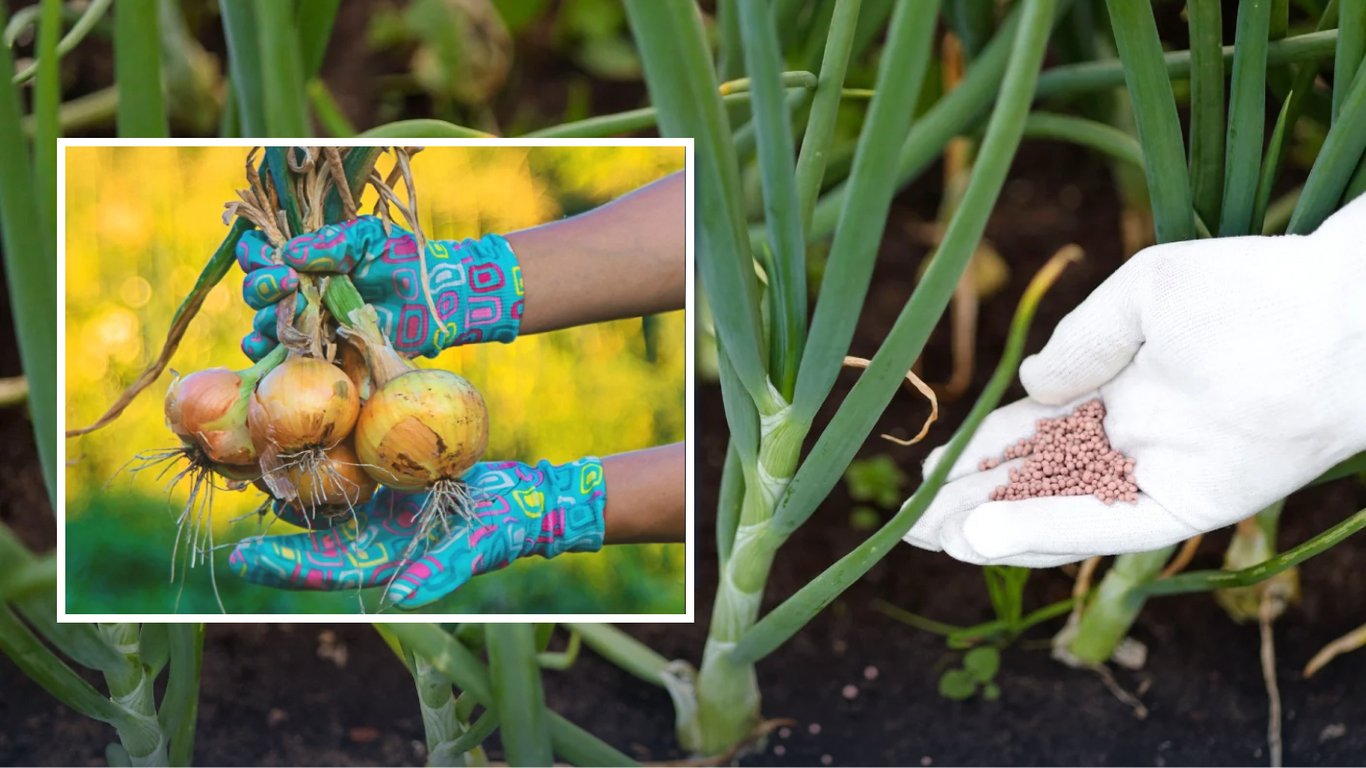
According to Novyny.live: Onion cultivation is a straightforward process that doesn't require excessive effort. To achieve the best results, it's crucial to meet specific soil and fertilization requirements. The optimal soil acidity for onions falls within a pH range of 6.5 to 7.5. Proper soil preparation and timely feeding are key to producing a high-quality harvest. Onions are a staple in many kitchens, making a successful home-grown crop both rewarding and economical.
Fertilization Stages
The first stage in growing onions involves fertilizing after the seedlings emerge. This initial feeding is recommended about two weeks after the first sprouts appear. The composition for the first fertilizer solution is as follows:
- 10 liters of water
- 20 grams of ammonium nitrate
- 25 grams of superphosphate
- 20 grams of potassium sulfate
Typically, one bucket of this solution is sufficient to treat an area of approximately 3 square meters.
The second fertilization stage occurs when the bulbs begin to form. A different mixture is used for this application:
- 10 liters of water
- 30 grams of superphosphate
- 25 grams of potassium sulfate
It is important to remember that all fertilization and watering should cease three weeks before the harvest. Following these guidelines can lead to impressive results in onion cultivation.
Therefore, while onion growing demands minimal care, adhering to proper agronomic practices—such as monitoring soil acidity and applying fertilizer at the right times—ensures healthy plant development and a plentiful yield. This methodical approach is popular among both gardeners and farmers due to its simplicity and the potential for a high-quality crop. Observing these recommendations for soil preparation and feeding can significantly impact the final outcome, which is especially important given the rising demand for quality agricultural produce. A correct cultivation strategy can not only meet consumer needs but also support the economic growth of those involved in the agrarian sector.
Read also
- A Simple Recipe for Tomato Fertilizer Made from Yeast and Banana Peels
- Custom Door Signs Over Stock Options: How Office and Residential Navigation Is Evolving
- Best Haircuts for Thick Hair: Styles That Enhance Your Natural Beauty
- Financial and Relationship Shifts Await in July 2026: Which Zodiac Signs Should Prepare
- Zucchini Plants Overrun with Male Flowers: How to Fertilize for a Bumper Harvest
- Aries Set to Be the Week's Biggest Winners: What Retrograde Neptune Has in Store