Spring Rose Feeding: When and What to Apply for Stunning Blooms.

Timing and Methods for Feeding Roses
According to Novyny.live: This article provides guidance on spring rose fertilization, covering the different stages and types of fertilizers. Feeding roses in spring is done in phases, allowing the plants to absorb the nutrients they need for growth and flowering.
The first feeding takes place immediately after pruning. This is a crucial step because the plants require extra nutrients to recover actively from the winter dormancy. The second application follows two weeks after the first. This supports the development of new shoots.
A third feeding is applied during bud formation. This stage is critical for the future flowering of the roses. After the first wave of blooms, roses are fed again to provide the necessary elements for repeat flowering and to maintain a healthy appearance.
Types of Fertilizers for Feeding
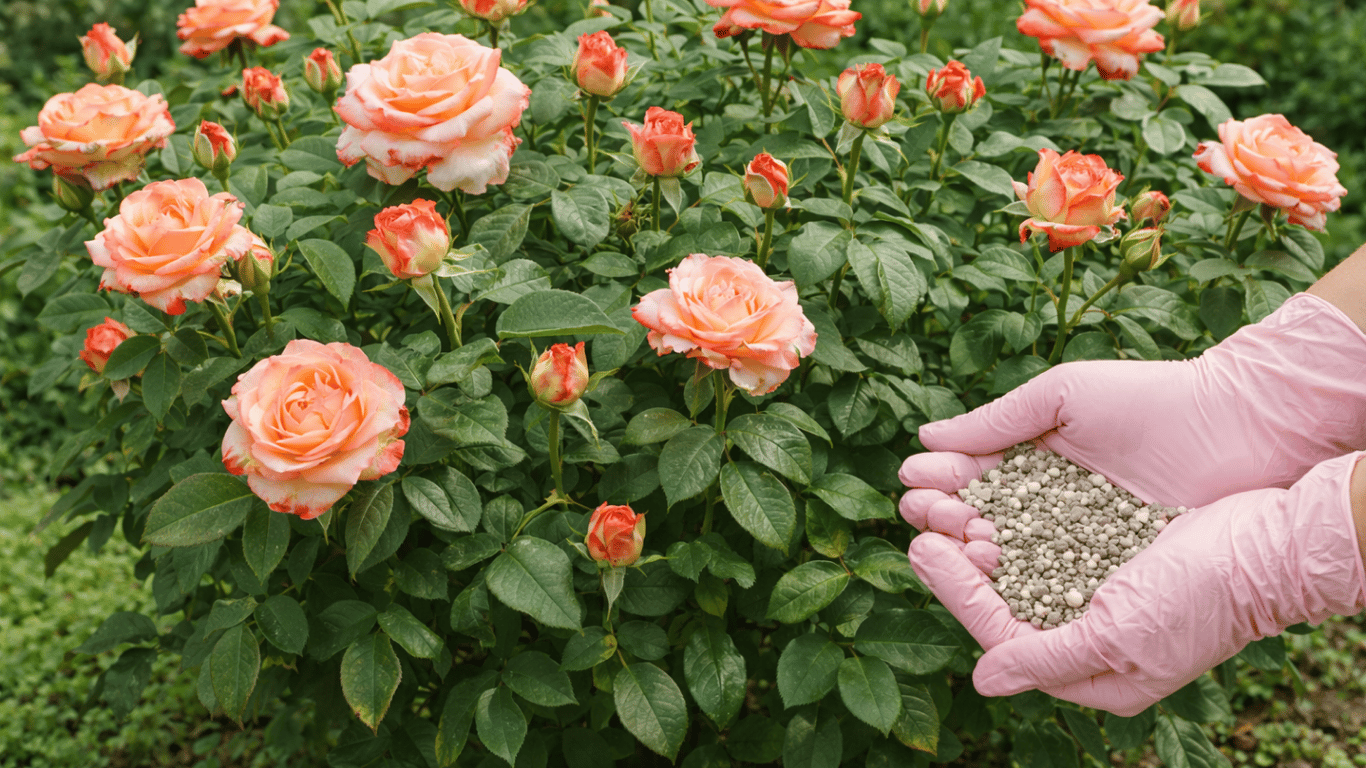
Various fertilizers are used to feed roses. Nitrogen promotes the growth of shoots and foliage, which is essential for plant development. Phosphorus, in turn, stimulates bud formation and abundant flowering, ensuring bright and healthy blossoms. Potassium strengthens the plant and increases its resistance to external factors.
- Ammonium nitrate
- Superphosphate
- Potassium sulfate
- Sodium humate
- Calcium nitrate
These fertilizers supply plants with the necessary elements in the right proportions. It is also important not to overlook organic fertilizers, such as cow manure, compost, and poultry manure, which can be excellent supplements to mineral fertilizers.
Proper spring feeding of roses is the key to their healthy growth and lush flowering throughout the season. Following all feeding stages and using a variety of fertilizer types will help achieve the desired results.
Understanding how to correctly feed roses in spring is important for gardeners who want to provide their plants with optimal conditions for growth and blooming. Since roses are a popular crop among gardening enthusiasts, recommendations on their fertilization can significantly impact the quality and duration of flowering. Proper use of both mineral and organic fertilizers will not only enhance the plants' appearance but also improve their resistance to diseases and pests.
Read also
- A Simple Recipe for Tomato Fertilizer Made from Yeast and Banana Peels
- Custom Door Signs Over Stock Options: How Office and Residential Navigation Is Evolving
- Best Haircuts for Thick Hair: Styles That Enhance Your Natural Beauty
- Financial and Relationship Shifts Await in July 2026: Which Zodiac Signs Should Prepare
- Zucchini Plants Overrun with Male Flowers: How to Fertilize for a Bumper Harvest
- Aries Set to Be the Week's Biggest Winners: What Retrograde Neptune Has in Store